Cervical cancer screening guidelines expanded, at-home tests option to be paid for by insurance

RALEIGH, N.C. (WTVD) -- New federal screening guidelines are expanding ways for women to be tested for cervical cancer.
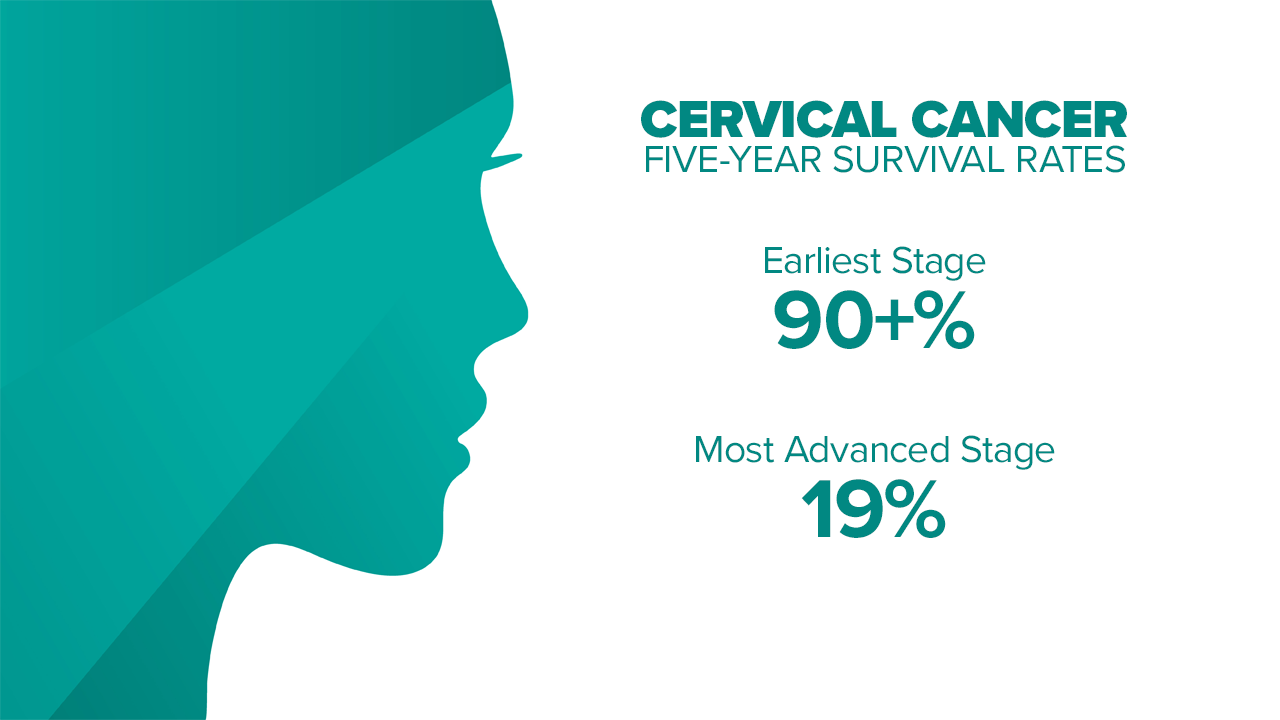
Starting in January 2027, private insurers will cover a self-collection option that will allow for at-home testing.
"Our cervical cancer screening rates are stagnating. Our cervical cancer rates of incidence are stagnating. And so it's time for us to think of something else, to support women in getting the screening done that will help save lives and eradicate cervical cancer," said Dr. Lisa Rahangdale, a Professor of General Obstetrics, Gynecology, and Midwifery at the UNC School of Medicine.
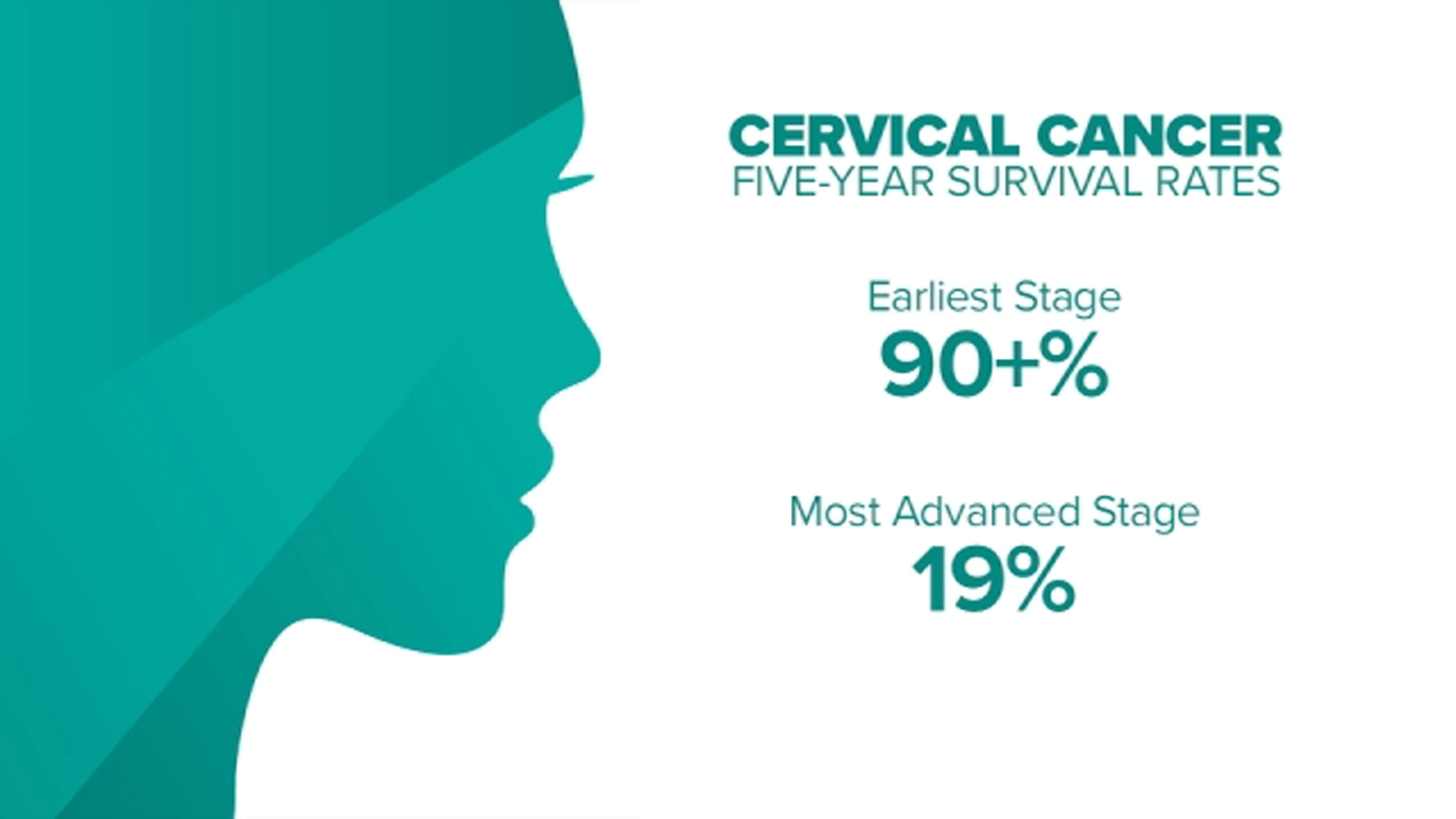
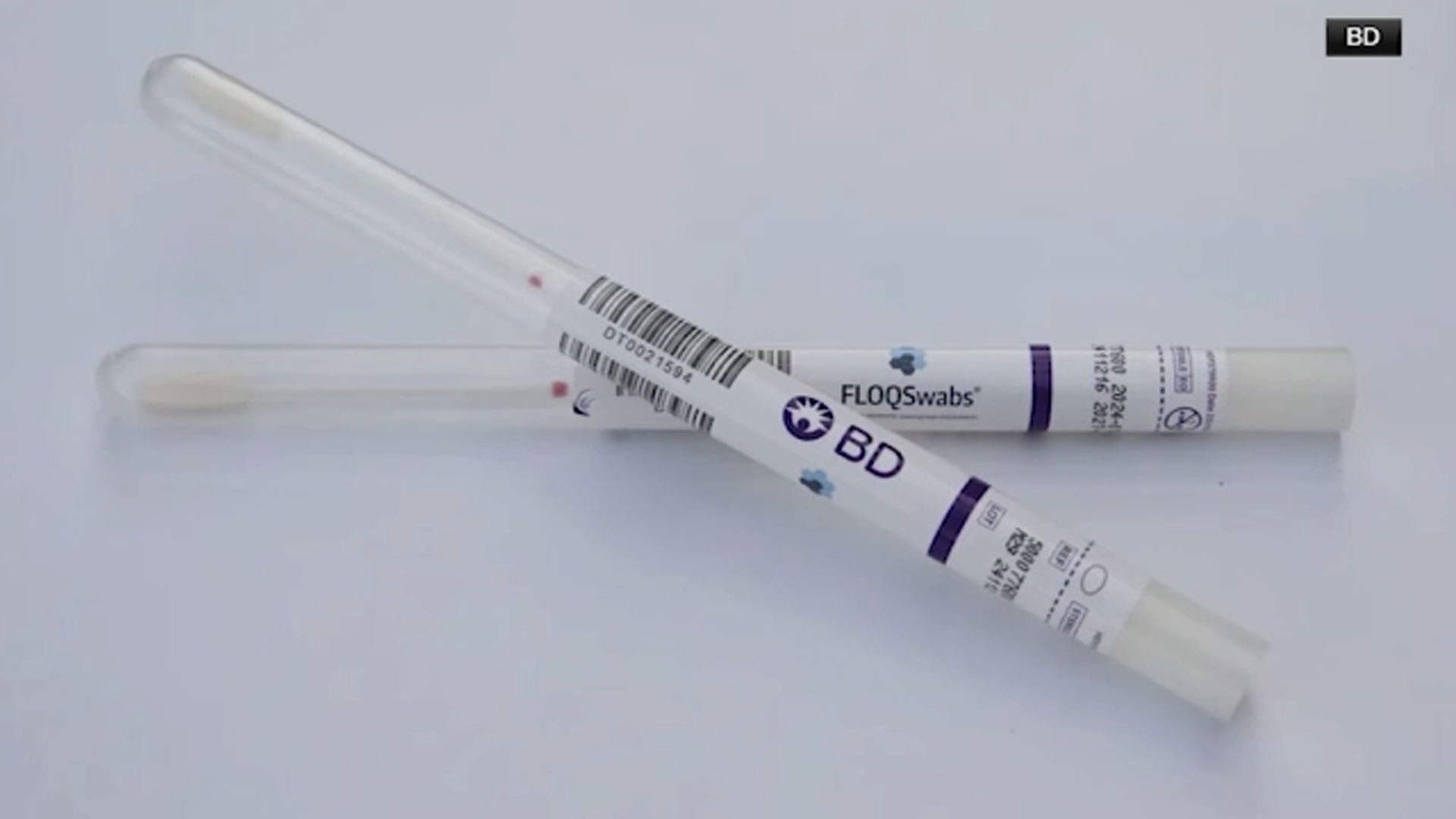
Early detection is vital in improving survival rates. If caught before it spreads, the five-year survival rate for cervical cancer is north of 90%. However, in the most advanced stage, it drops below 20%.
"Cervical cancer is a completely preventable disease. If pre-cancerous cells are caught early, we have effective treatments so that women never even get cervical cancer," said Rahangdale.
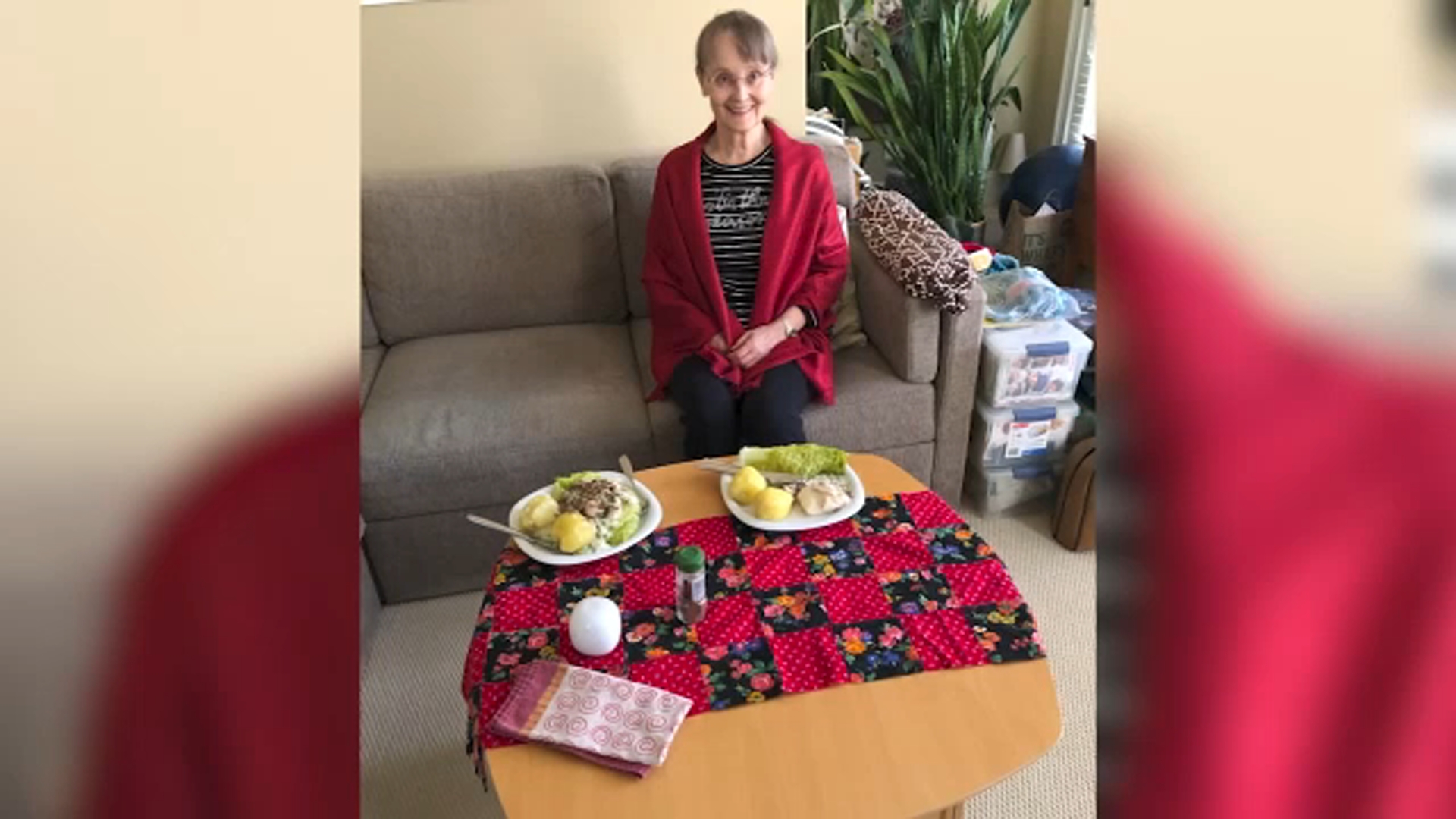
Christy Chambers is a cervical cancer survivor and now serves as an advocate. Recently, she cited an event with a non-profit she works with in which the self-test option was provided.
"The majority of the women who showed up to that free clinic wanted that self-test, because they liked the idea of being able to do it in the comfort of their own home or even frankly, you can even do a self-test in the doctor's office. It's just that you're administering it. That gave a lot of those women a little bit of empowerment too, about their health," said Chambers.
Chambers shared she initially believed her symptoms were a sign of menopause, before undergoing more extensive testing and receiving a diagnosis of stage 4 squamous cell carcinoma.
"I was a little lax in my regular screenings. Not going to lie. This is why I am now so adamant about people staying on track," said Chambers.
She believes the introduction of an at-home test will help remove barriers to access and make some women more comfortable in getting tested.
"Something like a self-test, I will be shouting that from the rooftops if that saves a life, why would I not want to talk about it," said Chambers.
She is also focused on talking about cervical cancer and HPV, in an effort to break the taboo and encourage awareness.
"The more we talk about it and tell our stories, the more we will connect with someone," Chambers said.
The updated Health Resources and Services Administration guidance now advises that people receive a high-risk HPV test - collected by a patient or physician - every five years for average-risk women ages 30 to 65 as the preferred screening approach.
For average-risk women ages 21-29, cervical cancer screening using cervical cytology (Pap) is recommended.
SEE ALSO | Five-year cancer survival rates hit 70% as doctors credit screening, treatment advances