Doctors warn GLP-1 users about dehydration risk amid severe heat


RALEIGH, N.C. (WTVD) -- Lanita Jones is preparing for a busy holiday weekend.
"I will be outside," Jones said.
Jones said her family has been planning celebrations for a significant milestone.
"I have a soon-to-be college freshman coming up. So we had done a lot of planning and cooking out," she said.
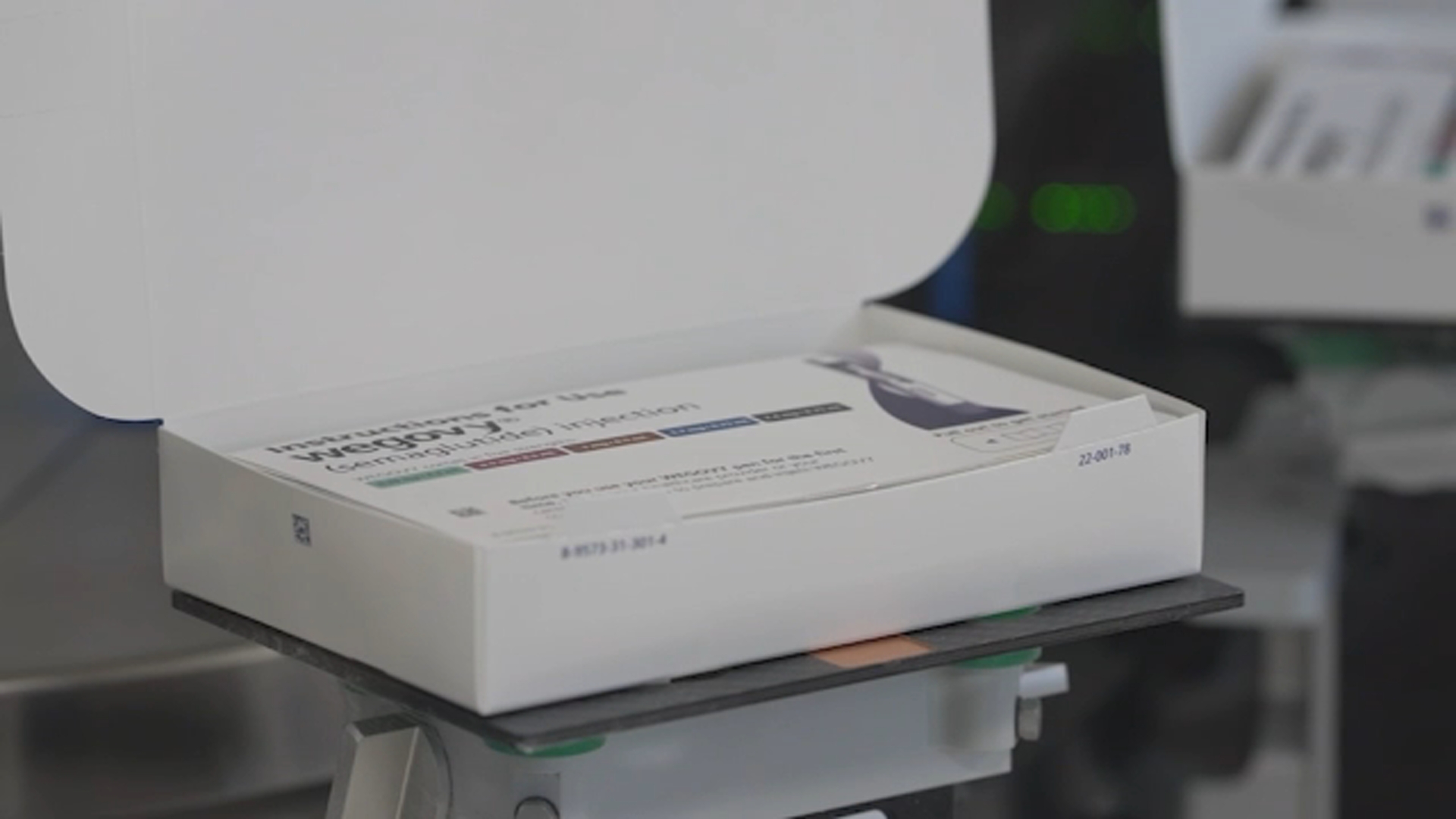
Jones said she takes a GLP-1 medication that was prescribed to help manage her cholesterol. She said the medication also offered additional health benefits.
The receptors that the medication works on is in the brain as much as it is in the gut. And so often what we may find is that patients may not feel as thirsty.Dr. Tiffany Lowe Clayton, WakeMed
"It was going to help me with my weight as well as put me on a path to be able to be around to see my kids. So that was something that was really important," Jones said.
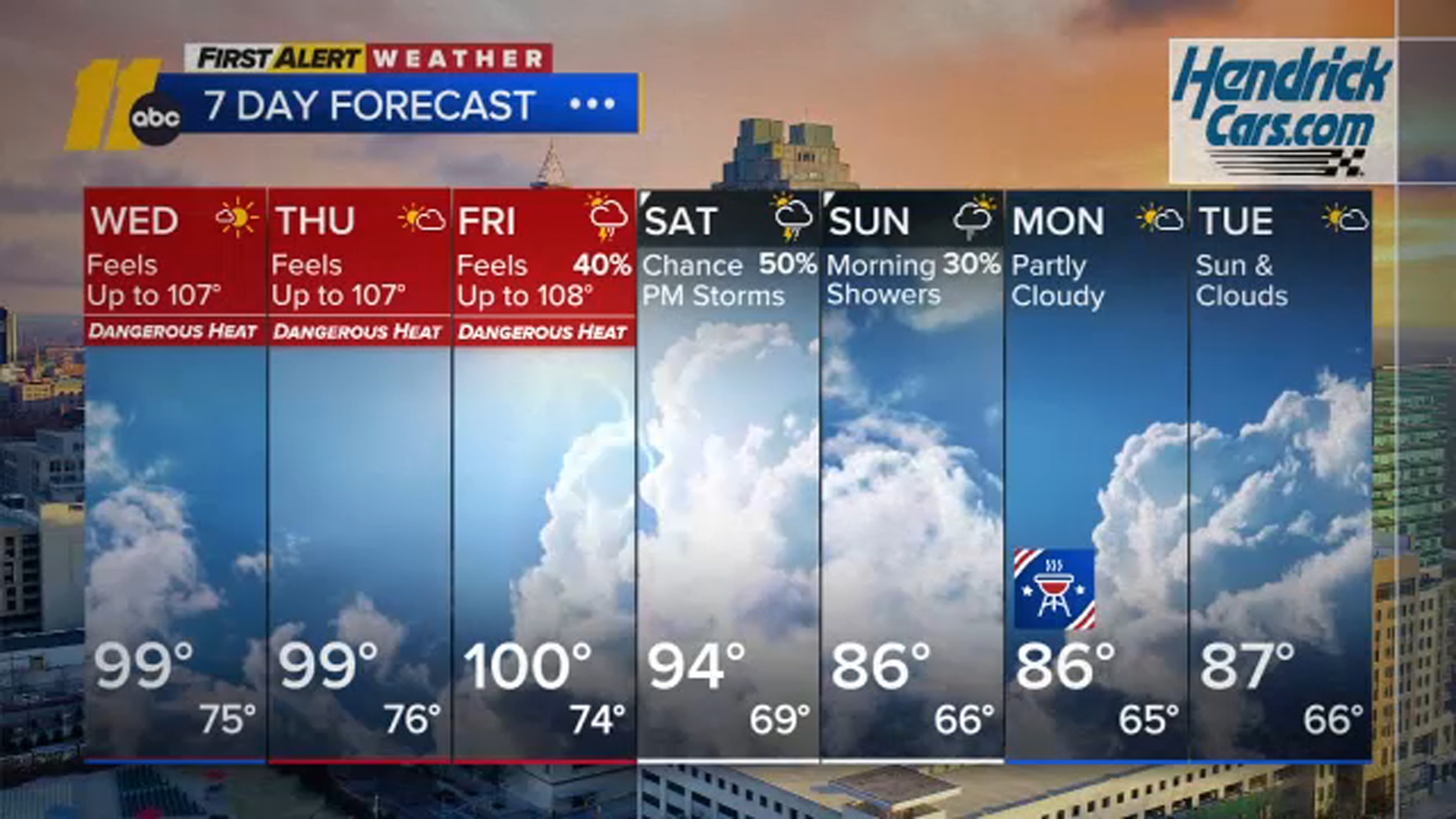
With temperatures expected to remain dangerously hot, Jones said she is making a point to stay hydrated.
Dr. Tiffany Lowe Clayton, a bariatric physician and obesity specialist at WakeMed, said GLP-1 medications work on receptors in both the brain and the digestive system, which can affect a person's perception of thirst.
"When we are talking about the GLP-1 receptor agonist, the receptors that the medication works on is in the brain as much as it is in the gut. And so often what we may find is that patients may not feel as thirsty," Lowe Clayton said.


Lowe Clayton said appetite suppression may also reduce consumption of foods that contain high amounts of water, including fruits and vegetables.
"They won't necessarily always get that thirst cue. So set a timer, set a clock, and be able to know that you need to drink throughout the course of a day," she said.
She also noted that some GLP-1 medications can cause gastrointestinal side effects, including vomiting, nausea, and diarrhea, which can contribute to fluid loss.
To help prevent dehydration, Lowe Clayton recommends drinking plenty of water, avoiding sugary drinks, and adding electrolytes when appropriate.
"You have to listen to your body, listen to the cues that you may have. And if you are feeling like you're thirsty, you're already kind of behind the game. So be proactive. Hydrate ahead of time, especially if you know you're going to be out in the heat," she said.
Health experts say dehydration can cause symptoms including dizziness, fatigue, confusion, and darker urine. In more severe cases, blood pressure can drop.