Durham native makes $250,000 donation to Duke Health in honor of parents to address grief


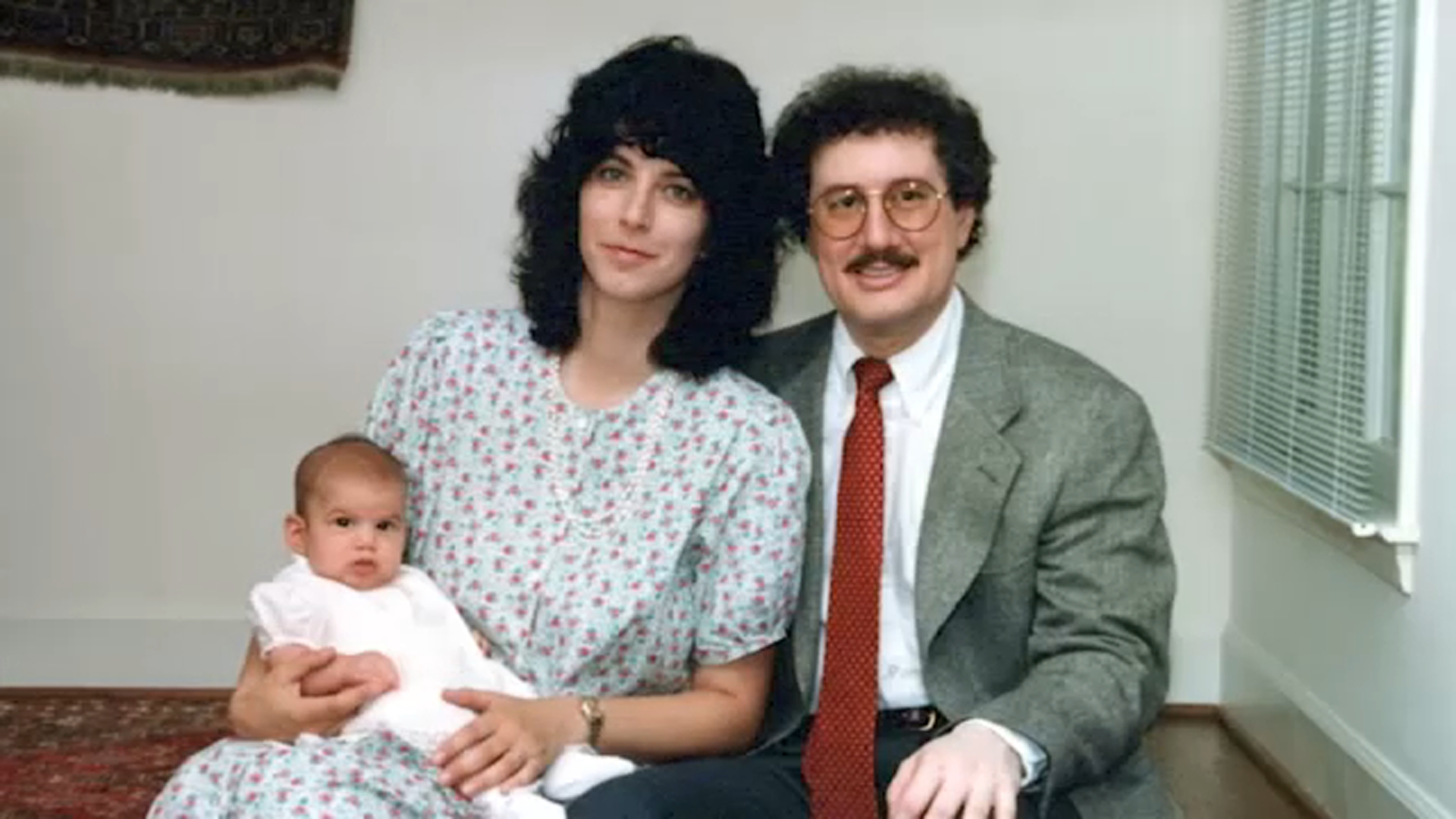
DURHAM, N.C. (WTVD) -- A Duke graduate and Durham native is making a $250,000 donation to The Preston Robert Tisch Brain Tumor Center at Duke in memory of her parents.
"Durham and Duke both are my home. Both of my parents worked here and helped people here," said Rebecca Feinglos.
She was just five years old when her mother, Susan, was diagnosed with glioblastoma.
"I, as a five-year-old, had absolutely no idea, like, what that really meant," said Feinglos.
Susan received experimental treatments at Duke and survived eight years; the five-year survival rate for glioblastoma is just 5%.
"I don't think I knew my mom was going to die until she died," said Feinglos.
However, she said it wasn't until her father's death in 2020, 18 years later, that she started to confront repressed feelings.
"I didn't want to be that sad kid. I didn't want people to think that something was wrong. I wanted to be perceived as completely normal and completely fine," Feinglos shared.
ALSO SEE Sept. 10 marks World Suicide Prevention Day: 'People are hurting'
A 2019 survey from WebMD found 72% of respondents experienced grief due to a life event over a three-year period. Of that group, 88% had emotional symptoms and 68% showed physical symptoms.
"Any acknowledgment of struggle is perceived as weakness. I think we have to get out of that mindset as a society if we want to carry the heaviness of grief better. If we want to care for our mental health, we have to be able to hold it all," Feinglos explained.

As an adult, Feinglos found a lack of grief-focused programs and options available, leading her to create Grieve Leave. She now works with individuals, businesses, and health systems in helping to improve their care, though this work at Duke represents a more expansive partnership.
The donation will start the Susan and Mark Feinglos Grief Initiative; both of Rebecca's parents worked for Duke Health.
"The burnout rate in oncology, especially in neuro oncology, is staggering because we feel the toll of the emotions," said Dr. Henry Friedman, the Deputy Director at the Preston Robert Tisch Brain Tumor Center.
He said that while there have been advancements in treatment, more needs to be done in addressing mental health.
"The problem is that with the majority of patients dying, we get to a period where grief is a major issue and that we're not nearly as prepared to deal with as we would like to be," said Friedman.
Friedman, who helped treat Susan, is part of a group that will work directly with Rebecca to create the grief support program, which will be integrated within the medical center's work.
"What (Rebecca) is doing is going to meet a need that has been unfulfilled for a very long time, certainly since I've been here. What she will be able to accomplish with this program with us is addressing a need that's missing and help an increasingly desperate number of patients who face this problem," said Friedman.
Both stress that an acknowledgment of the grieving process does interfere with the ultimate goal of treatment.
"Hope is the foundation of everything we do. But when we need to go past that and deal with grief, we've been handicapped. We've not really had the resources or a program in place to do that. This is a transformational gift," Friedman explained.
"We have to be able to say, yes, I'm going to do everything that I can to have a positive outlook on these brutal treatments that I'm going to go through. My family is going to hope for the best. And let's also get the support we need to recognize how scary this is. I just think we can hold both. And when we view grief as this binary, either you're hopeful or you're grieving, I think that's a mistake," said Feinglos.