Cyclospora Outbreak: Cyclosporiasis cases surge across NC as health officials work to find source


RALEIGH, N.C. (WTVD) -- North Carolina health officials are reporting a sharp increase in cyclosporiasis, with hundreds of new cases identified over the past week as investigators continue searching for the source of the outbreak.
The North Carolina Department of Health and Human Services (NCDHHS) said there have been 561 reported cases statewide since May 1, an increase of 254 cases from the agency's previous update last week.
Officials also reported three additional hospitalizations, bringing the total number linked to the outbreak to 16.
NCDHHS officials have not yet identified a single source of the infections. In North Carolina, reported cases have been associated with uncooked produce, including parsley, cilantro and lettuce.
State health leaders said Tuesday that the source of the parasite remains unclear and that lettuce, which is being widely cited in national cases, is not currently being tested as a link in the Tar Heel State.
Carl Williams, with the Division of Public Health under NCDHHS, said multiple foods may be involved.
"Our thought is that it's likely, maybe probable, that there are multiple vehicles for cyclospora. It's not a single source or a single food product from a single company," he said. "There are certain foods that we believe are implicated based on the frequency with which they appear during our interviews. But it's likely more than one."
For weeks, lettuce, cilantro and parsley have appeared repeatedly in case interviews. But state leaders emphasized Tuesday that North Carolina's outbreak is not linked to the multistate outbreak tied to lettuce from Taylor Farms in Mexico. The FDA recently announced a false positive in that investigation, though a recall remains underway.
"At this time, we are not conducting any testing of lettuce products related to the cyclosporiasis outbreak," said Anita McMullen with the NC Department of Agriculture and Consumer Services.
Williams said the Taco Bell-identified outbreaks in Michigan and Ohio are also not associated with North Carolina's cases.
"We have not noticed that association here," he said.
With the source still unknown, health officials urged residents to be cautious, especially when handling produce.
"We just recommend that people wash these foods thoroughly. Even if they say they've been pre-washed," Williams said. "Now, that's no guarantee that you'll eliminate any cyclospora parasites. But it's better than not doing it."
He added that cooking produce to 165 degrees will kill the parasite.



"I'd say there's no guarantee, right? Except cooking. If you cook it, you will kill it," he said.
The U.S. Food and Drug Administration has investigated at least five separate cyclospora outbreak clusters. Three of the clusters are considered closed, while efforts continue to identify the sources of the remaining outbreaks.
In response to the rise in cases, Wake County Public School System and Durham Public Schools have temporarily removed certain produce items from their menus as a precaution.
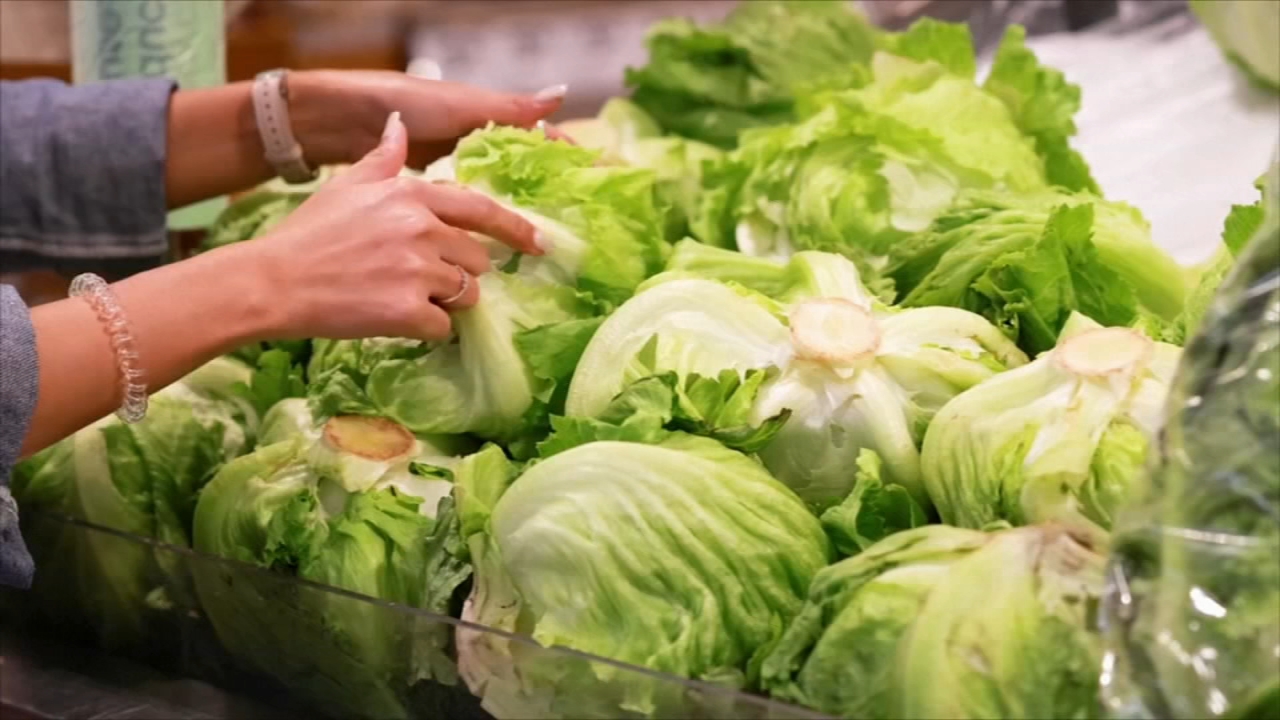
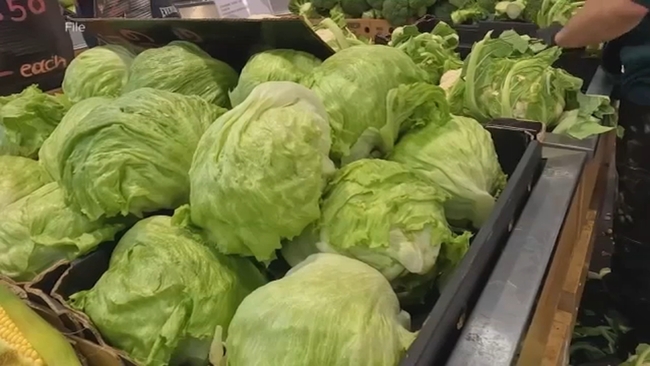
Health experts are advising consumers to take additional steps when handling fresh vegetables. For those purchasing lettuce, experts recommend choosing bulkhead lettuce rather than bagged greens because the outer leaves can be removed and discarded before washing the remaining portions thoroughly with cold running water.
"If you can, you want to cook your vegetables up to at least 158 degrees, and then before you're even touching anything in the kitchen, it's always a good idea to making sure you're washing your hands with soap and water," said Youri Benadjaoud of the ABC News Medical Unit. "That will not only help prevent this parasite, but also reduce the risk of other foodborne illnesses."
Symptoms can include diarrhea, loss of appetite, bloating, nausea and extreme fatigue. No deaths have been reported in the US in connected to the outbreak.
"The good news here is that this illness is typically not life threatening. Most people actually recover within a couple of days to well over a month. The concern is obviously those that are more at risk, so older adults, pregnant women, young children. If you are concerned and you're living in one of these states (with cases), perhaps you're noticing some of these symptoms from this illness, you can always talk to your doctor because you can get tested. There's a specific antibiotic that can help shorten both the length and (lessen) the severity of your illness," said Benadjaoud.
The ABC News Medical Unit advised shoppers to choose whole-head lettuce instead of bagged greens.
"You can take lettuce home, peel the outer layers and rinse the inner layers with some cold running water," said Youri Benadjaoud.
State investigators continue interviewing patients to determine where and how they became infected. Officials say they will update guidance as more information becomes available.