NCSBE approves changes which could impact voting during upcoming midterm elections


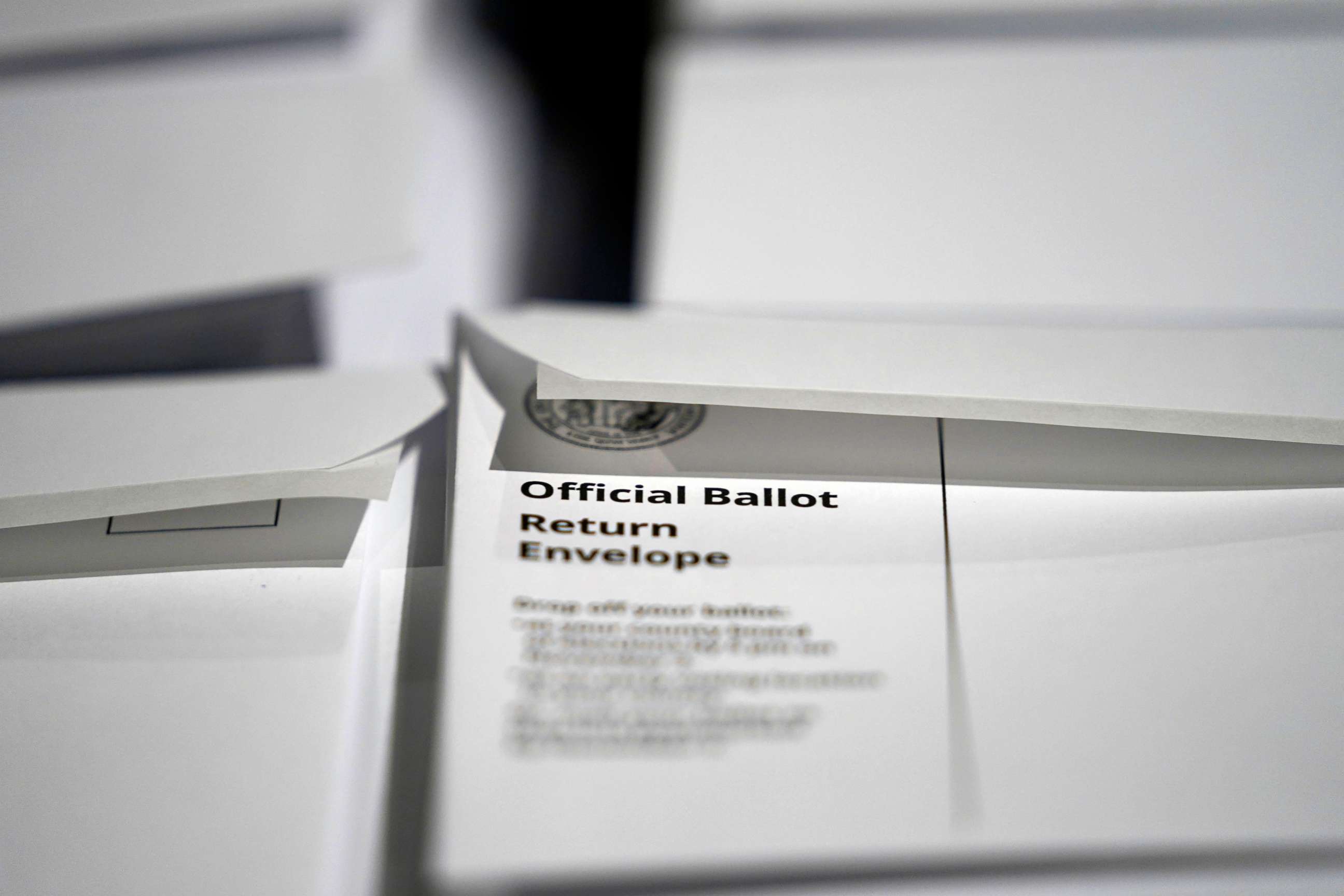
RALEIGH, N.C. (WTVD) -- The North Carolina State Board of Elections voted Monday to approve new rules governing absentee voting, advancing changes that supporters say will strengthen election security and critics argue could make it harder for some voters to have their ballots counted.
The proposed rules impose stricter requirements on how absentee ballots are returned and processed. Under the changes, issues such as ballots placed in the wrong envelope or not sealed properly could result in ballots being rejected.
The Republican-controlled board approved the rules in a 3-2 party-line vote.
"An unsealed envelope is a security issue for that ballot and for that voter. Leaving things in a sealed envelope that may have a defect is a disservice to the voter," said Stacy Eggers IV, a Republican member of NCSBE.
"I know so many people who are elderly or otherwise not as versed as voting and completing the documents as we are who will be overwhelmed with this, and I'm afraid it's going to chill the vote,"
Democratic board member Jeff Carmon said.
Board members also discussed how election officials would notify voters of problems with their ballots and what steps would be available to correct, or cure, those issues.
"These rules clarify the process that needs to be undertaken and are reasonable rules for a balance between ballot security and ballot access. The cure process is incredibly accommodating to any issues that occur," Eggers said, noting voters could be contacted several different ways.
"My biggest concern is receiving notice through the mail," he said. "Our mail system is not as efficient as it used to be, and with these timelines being changed for a person to be able to get to the Board of
Elections to cure their ballot, I have concerns," Carmon explained.
Republican board member Angela Hawkins said county election officials have multiple options for assisting voters whose ballots contain errors.
"By the time a county board holds them and opens them back up, anywhere from two to eight days later, they could have been contacted and gone in person and voted, or we could have sent them a new one and explained to them how to do it," Hawkins said. "County boards are more than happy to help voters get it right."
Democratic board member Siobhan Millen questioned whether some voters would have enough time to resolve ballot deficiencies after being notified.
"My problem with spoil and return is that when you get a ballot towards the end of the acceptable time to get a ballot in, so you may get in your absentee ballot in on election day, spoil and return is meaningless at that point because there's no time. They can't vote on election day. It's the end of election day by the time that vote gets opened. The only problem is the inner envelope isn't sealed, that ballot now gets spoiled. It doesn't used to get spoiled," said Millen.