Shorter summers, better learning? Durham educators make the case for year-round schools


DURHAM, N.C. (WTVD) -- National reading and math scores continue to raise concerns, prompting questions about whether year-round school calendars can help students stay on track academically.
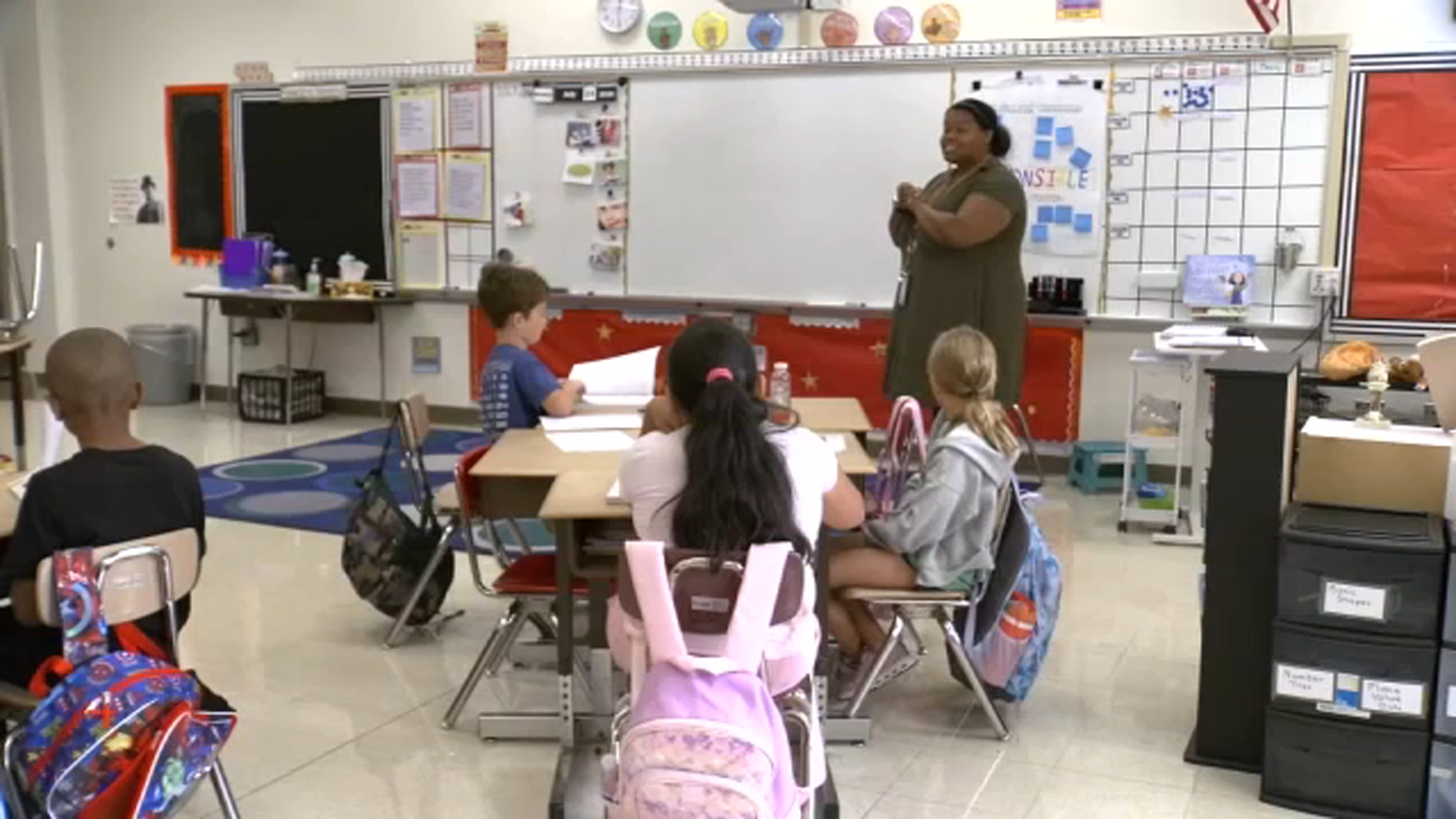
At Easley Elementary School in Durham Public Schools, educators say the district's year-round calendar gives students an advantage by reducing learning loss and providing more consistent instruction throughout the year.
The summer break for students at Easley lasts about five weeks, significantly shorter than a traditional summer vacation.
Third-grade teacher Ava Howell said the shorter break means students return to class with more of their previous learning intact.
"It's a lot less reviewing content and going back over what they previously learned," Howell said.
ALSO SEE | Wake, Durham school districts pull salads from menus amid rise in cyclospora cases
She said fewer long gaps between lessons help students stay engaged and build on concepts more effectively.
"I do think it gives them that academic edge to struggle with the work a bit, where they have more exposure to grapple with what they just understood and how to digest the information because they have more time to do so," Howell said.
Teachers also say the calendar provides benefits for educators. Instead of one extended summer break, the schedule includes several shorter breaks throughout the year.
At Easley, fall, winter and spring breaks each last about three weeks.
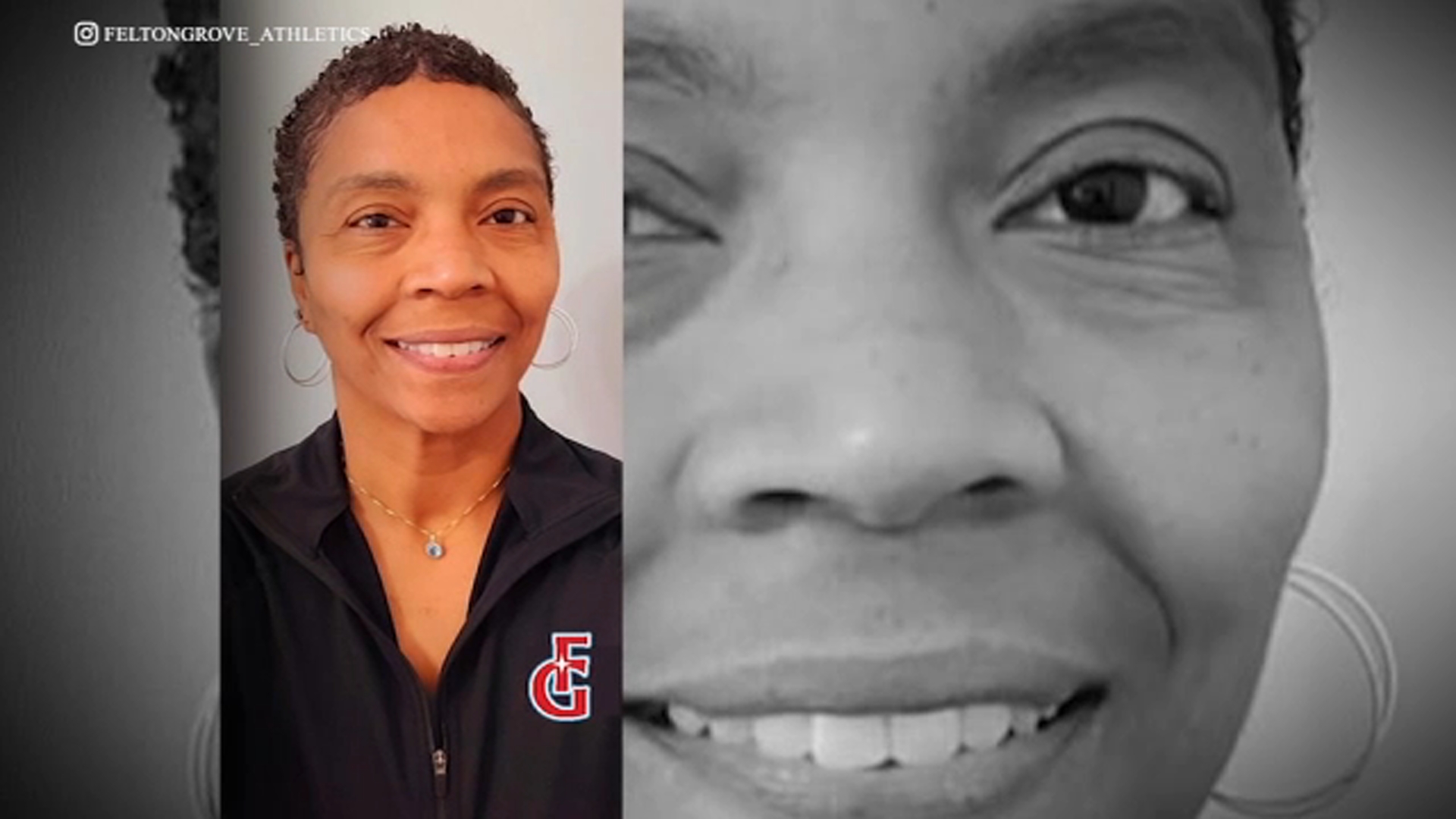
We are moving the needle as a school and as a district. I feel good about that. I think it's a point of pride for DPS.- Dr. Jennifer Hauser, principal, Easley Elementary School
Second-grade teacher George Bruns said those breaks help teachers recharge and return refreshed.
"It's a time for them to recharge and get their mojo back, and they take off from there," Bruns said.
Bruns said the schedule also creates opportunities for collaboration among teachers across grade levels.
"From year to year, I'm going to first-grade teachers, talking to their first-grade teachers. I'm also talking to third-grade teachers. This worked. This didn't. I couldn't figure this out," Bruns said. "What students should be able to do when they're transitioning between grades."
The discussion comes as researchers warn that many students nationwide continue to struggle academically, with reading and math scores remaining below pre-pandemic levels.
At Easley Elementary, educators point to the school's performance as evidence that the calendar can support student achievement. The school earned a B on the state report card, meeting growth goals in math and exceeding growth expectations in reading.
Principal Dr. Jennifer Hauser said the school and district are making progress.
"We are moving the needle as a school and as a district. I feel good about that. I think it's a point of pride for DPS," Hauser said.
Hauser said the benefits extend beyond students.
"It's not just good for students. It's good for teachers and administrators, too," she said.
Educators at Easley say the year-round calendar helps create a balance that supports both student learning and teacher success.