NCBOE, advocates react after SCOTUS blocks Trump's proposed absentee ballot restrictions
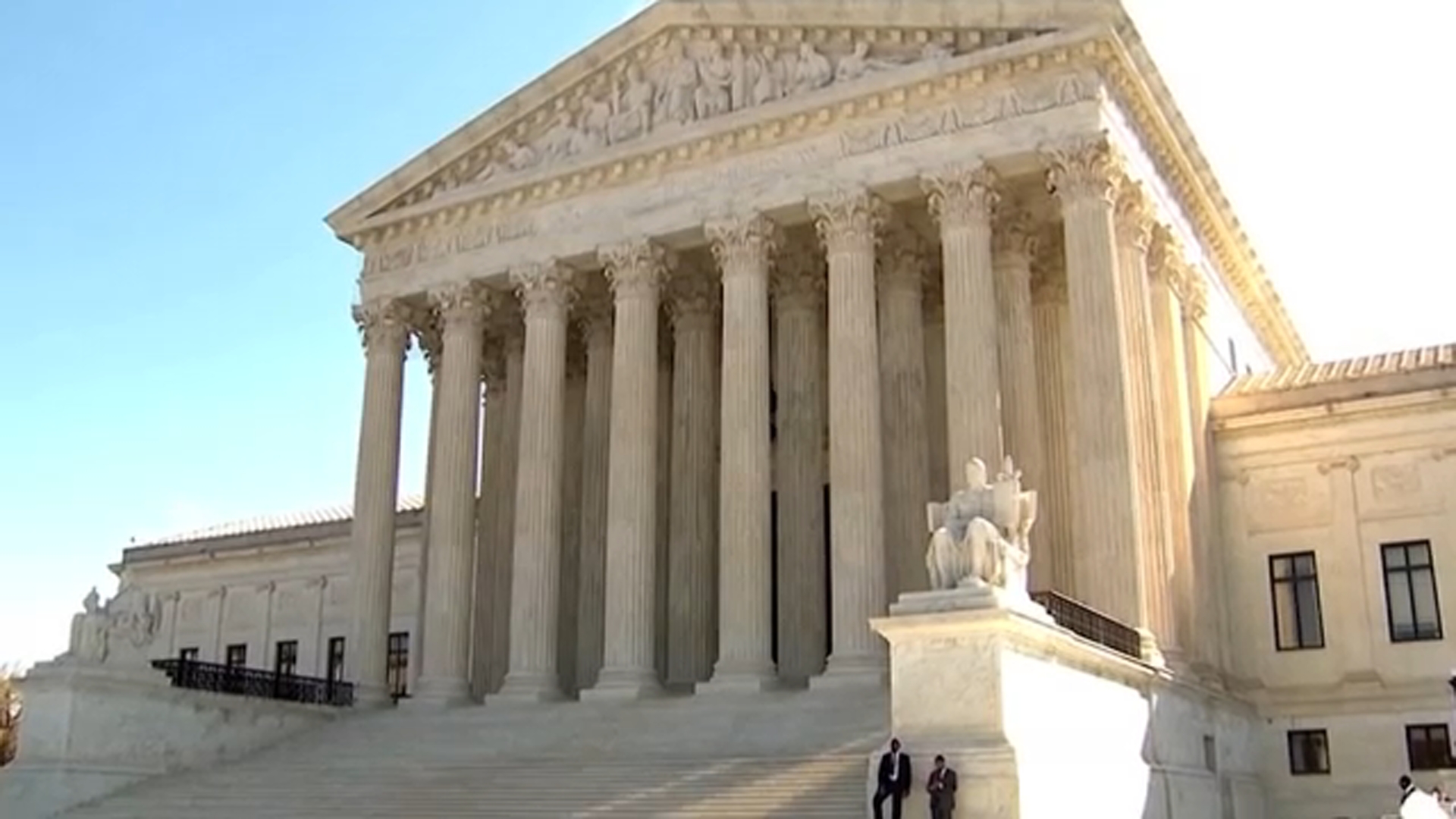


RALEIGH, N.C. (WTVD) -- A U.S. Supreme Court ruling has cleared the way for absentee voting to continue without newly implemented rules for the upcoming midterm elections, rejecting an effort by the Trump administration to impose those restrictions on the mail-in ballot process.
"It just affirms what we've always known. The president trying to make rules at the last minute, on an emergency basis, was never going to fly, not even with this court," said Brooks Fuller, Director of Common Cause North Carolina.
In a 7-2 decision, the court found the government is "unlikely to succeed on the merits" of its challenge.
"The states have the right, according to the US Constitution, to run elections," said James Carter, President of the National Bar Association. "And by placing this artificial barrier, having the United States Postal Service verify names, etc., and put barcodes, etc., this is an unnecessary and unconstitutional barrier."
Absentee ballots have already been sent out in North Carolina, with some votes even being returned.
In a statement, a spokesperson for the North Carolina Board of Elections wrote:
"While the NCSBE has been monitoring any legal actions taken at the federal level, yesterday's ruling doesn't really affect our processes. Our counties continue to send, receive and process mail-in ballots through Election Day."
The Trump administration had sought to require states to provide voter lists, including names, addresses and barcodes, to the U.S. Postal Service. Under the proposal, the Postal Service would only deliver absentee ballots to voters appearing on those lists. Supporters argued the change would enhance election security, while critics contended it represented an unconstitutional federal intrusion into elections traditionally administered by states.
While it is not clear whether the Trump administration will ultimately seek to present oral arguments to the Supreme Court, Carter believes the ruling would be unchanged.
"In a live Supreme Court circumstance, you will have differing and more intimate ability to present arguments in ways that sometimes can't be communicated on paper. Live court proceedings allow one to read the room in certain ways, to see if a particular Justice is leaning a particular way, and maybe you adjust one's argument based upon that. I do believe though, the substance of the matter here is so great (and) I think the Supreme Court's guidance from the U.S. Constitution is so great here that I think it's going to leave very little room for whether or not there's different types of modalities that one can use from an eloquence perspective to change the ruling in this particular situation," said Carter.
Before the Supreme Court ruling, a federal judge had blocked the restrictions from moving forward.
Top Stories

In a statement, North Carolina Attorney General wrote:
"In a 7-2 vote, the Supreme Court just agreed with us that the Postal Service's last-minute changes to mail-in voting were a recipe for chaos. Ballots in North Carolina have already started going out and coming back. The election is underway. It would have been impossible for the Postal Service to implement a whole new system in time for the election - especially since the new system doesn't even exist yet. As Justice Kavanaugh put it, "state and local officials do not have sufficient time to reasonably implement the rule before the elections." We appreciate the Court recognizing the practical reality of the situation. Voting has begun. You don't change the rules in the middle of the election."
President Trump criticized the Supreme Court, writing in part:
"Republicans just got another bad decision from the United States Supreme Court, one that the Court System took forever to give, and then blamed it, in part, on no time left to implement a solution."
Earlier this month, the North Carolina State Board of Elections enacted changes to how absentee ballots must be submitted.
In 2022, 187,746 North Carolinians voted absentee by mail. Voting rights advocates have expressed concern about how new policies could potentially confuse voters.
"I think that voting rights advocates all over the state are breathing a small sigh of relief," Fuller said. "It's good that these rules are not changing at the very last minute."