Cary water main break highlights growth concerns across the Triangle
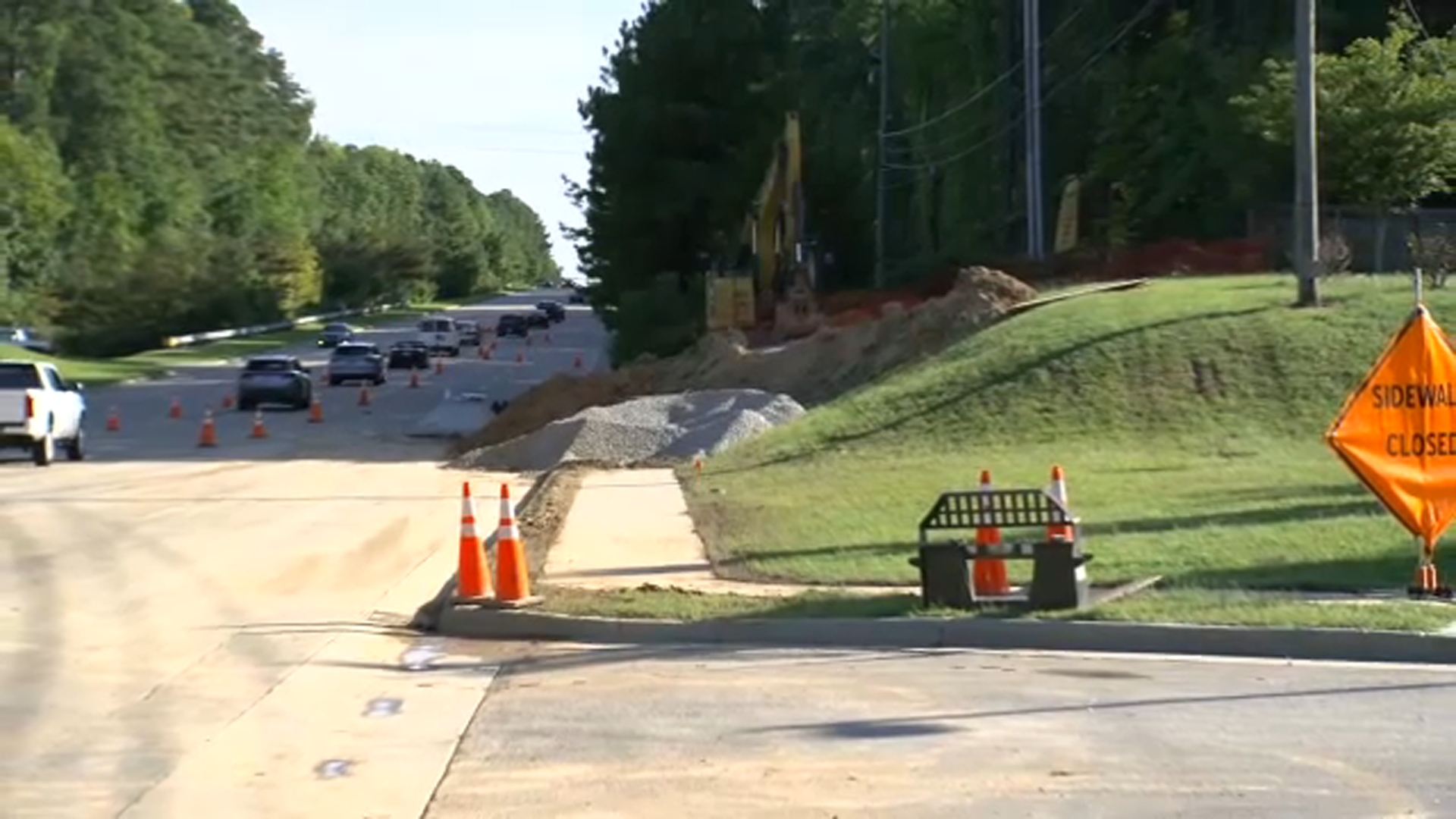


CARY, N.C. (WTVD) -- Crews continued cleanup efforts Tuesday following a major water main break in Cary that disrupted service for more than 50,000 customers Monday, prompting renewed attention on the challenges aging water infrastructure faces as the Triangle's population grows.
Town officials said aging infrastructure caused the break, which occurred on N.C. 55 eastbound near the Jenks Road and Old Jenks Road intersection. More than two dozen schools dismissed students early because of the outage. Officials said the water has been safe to drink since early Tuesday morning.
The incident has also raised questions about how local utility providers are preparing for increasing demand on water systems across the region.
"The Raleigh metro area is one of the fastest-growing areas in the country. And I don't think that's going to change anytime soon," said Ed Buchan, assistant director of Raleigh Water.
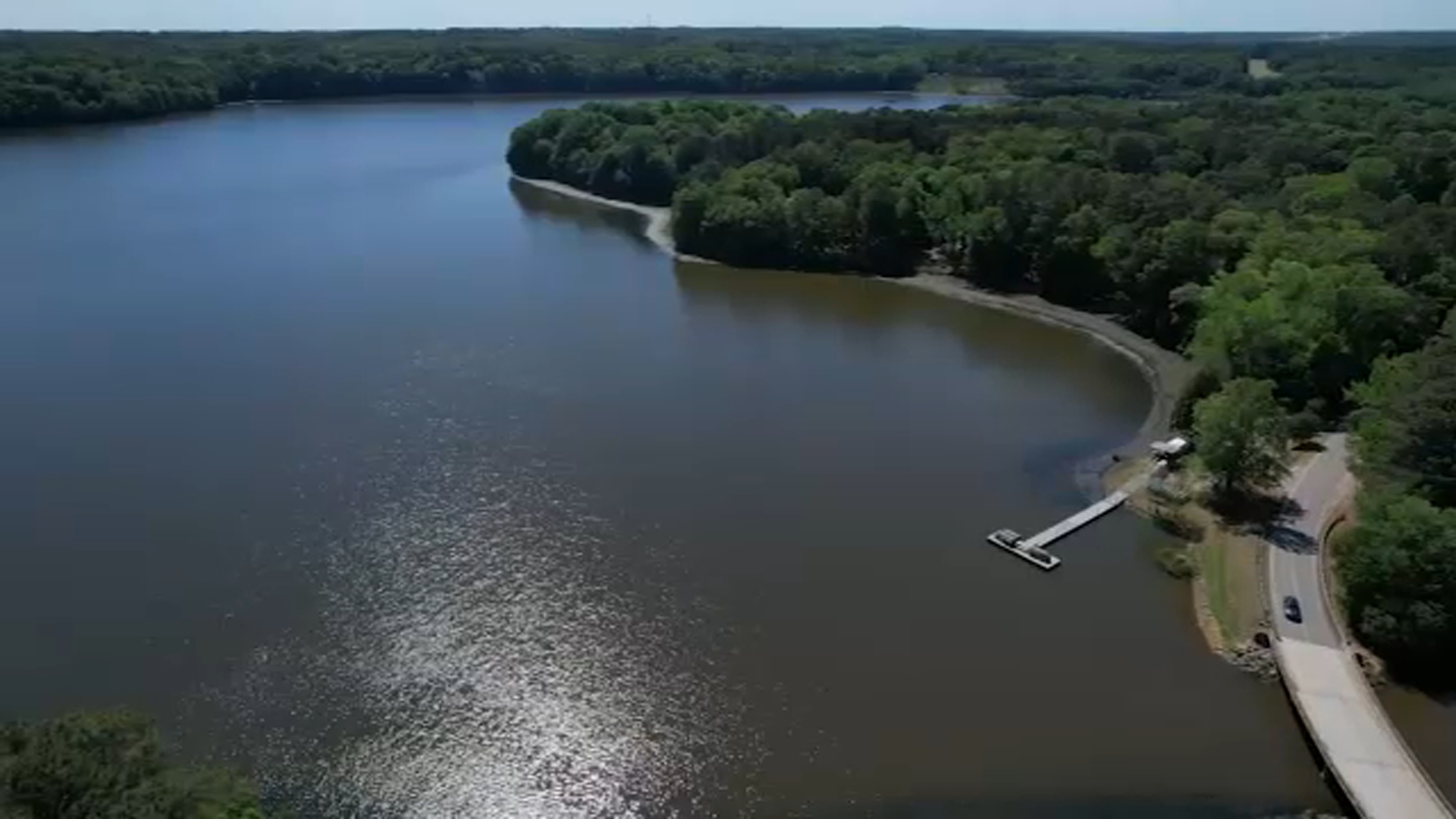
Cary's 2025 Long Range Water Resources Plan identifies future water supply as one of the town's major challenges. According to the report, the combined future water demand from Cary and Apex could exceed the current Jordan Lake water allocation by 2049.
The report also states that population growth, rather than increased water use by individual residents, is expected to be the primary driver of future demand. At the same time, average water use per person continues to decline. The plan says Cary residents use about 49 gallons of water per person per day on average, well below the national average.
The projected growth is expected to increase the need for expanded water treatment and wastewater treatment capacity.
The report concludes that Cary can meet projected demand through a combination of conservation efforts, reducing system water losses, recycling water used during treatment processes, pursuing additional Jordan Lake allocations, and expanding treatment capacity as growth continues.
Raleigh officials are also examining the effect that growth could have on utility systems as demand increases.
Top Stories


"Eventually that's going to mean more water supply. And water supply is incredibly expensive to build in very short terms," Buchan said.
In addition to securing future water supplies, utility providers are planning infrastructure investments, including system upgrades and new water lines.
"We have five-year plan and then a five-to-10-year plan, and so we are already thinking about adding those cost of a new water supply into our capital plans in the future," Buchan said.
Raleigh Water officials say a new intake, just upstream from the Neuse River Resource Recovery Facility, could also help meet future supply needs.