Cold temperatures can be dangerous for your pets; What to look for


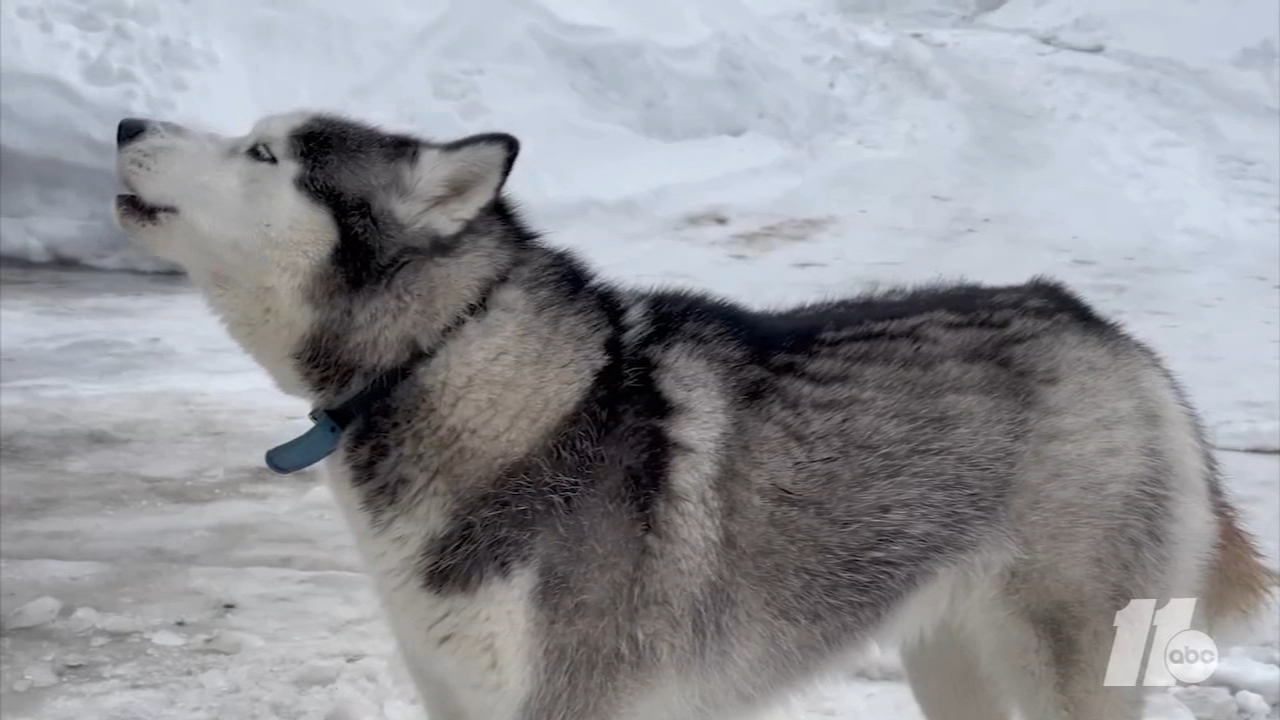
NORTH CAROLINA (WTVD) -- Winter poses significant risks to all pets, with some animals more vulnerable than others. Unlike humans, dogs and cats rarely vocalize discomfort, making it challenging to detect when they are in pain.
Dr. Jessica Romanet, a veterinarian at Trinity Animal Hospital in Holly Springs, emphasizes that older pets are especially susceptible to winter-related ailments.
For senior pets, typically those over seven years of age, arthritis often flares up, leading to increased lameness and stiffness. These animals may be slower to rise or show noticeable discomfort when moving.
Veterinarians commonly observe these symptoms, yet pets are adept at concealing their pain. Dr. Romanet advises pet owners to remain vigilant for subtle behavioral changes.
What to know, what to do
Indicators include slower movement when rising, difficulty navigating stairs, or changes in gait. Pets may also hesitate or struggle to get on and off furniture. In cats, these signs are often more subtle; missed jumps or hesitation when descending are key warning signals that should not be ignored.


Pet owners must closely monitor outdoor temperatures. When temperatures drop below 32F, veterinarians recommend protective footwear such as booties, especially for short-haired or small dogs. Jackets or sweaters are advised to maintain body heat. When temperatures fall below 20F, limit outdoor exposure to brief bathroom breaks only.
In icy conditions, always use pet-friendly ice melt. Standard sidewalk salt may injure pets' paws or cause gastrointestinal distress if ingested. Prioritize safe products to protect your animals during winter weather.