Cyclospora cases increase in North Carolina; here's how to protect yourself
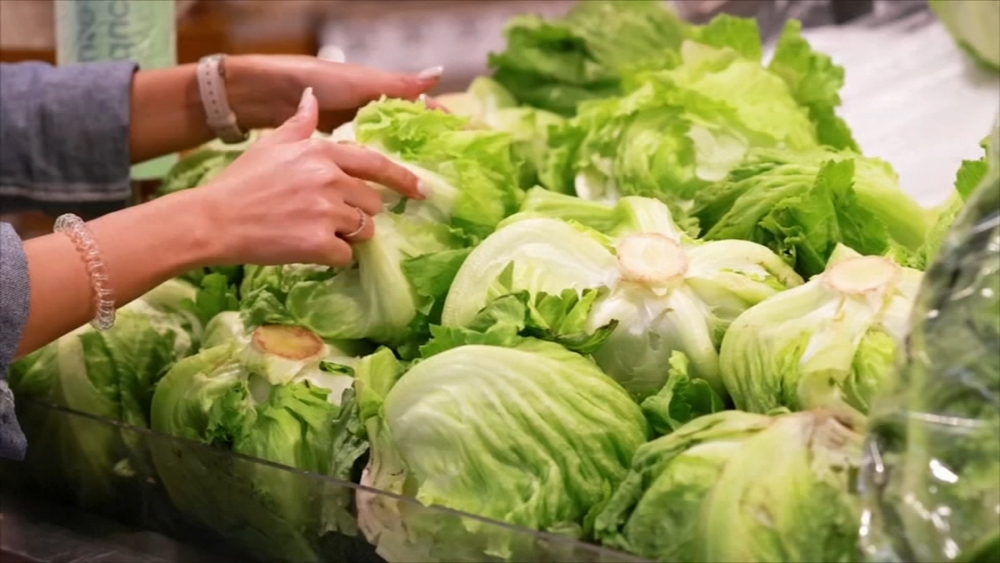
The foodborne illness is often linked to produce and herbs that are eaten raw.


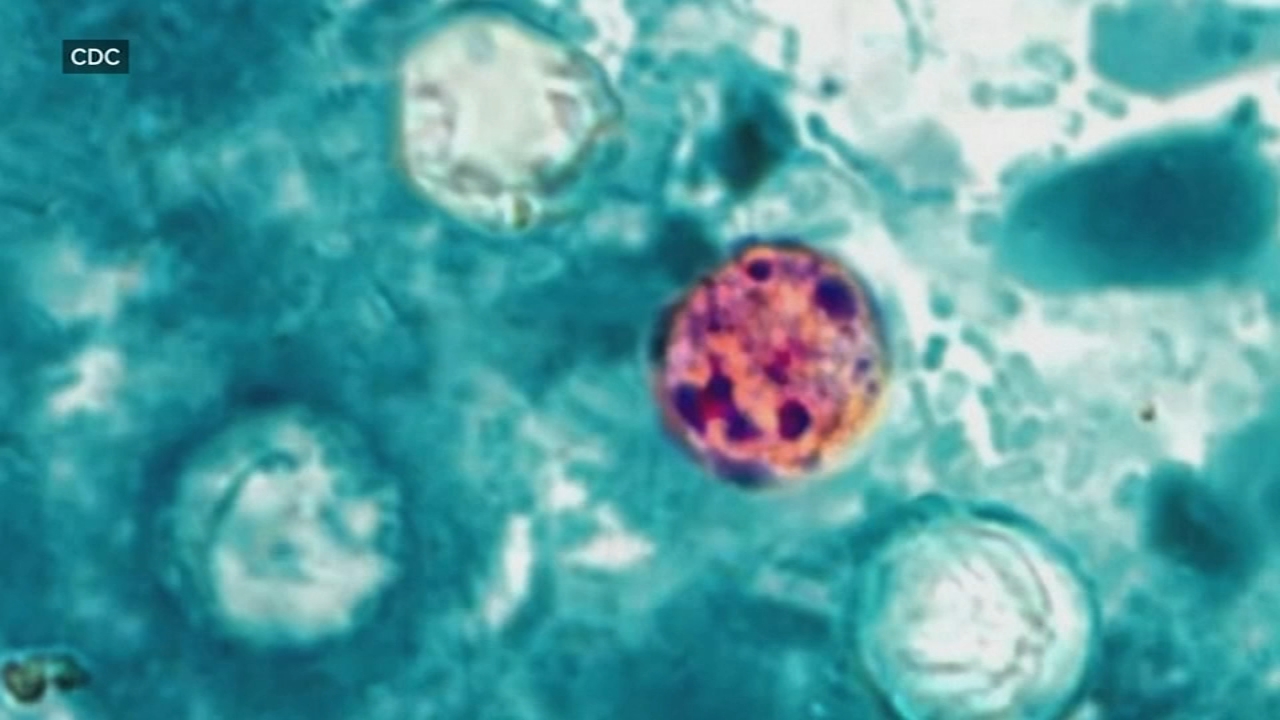
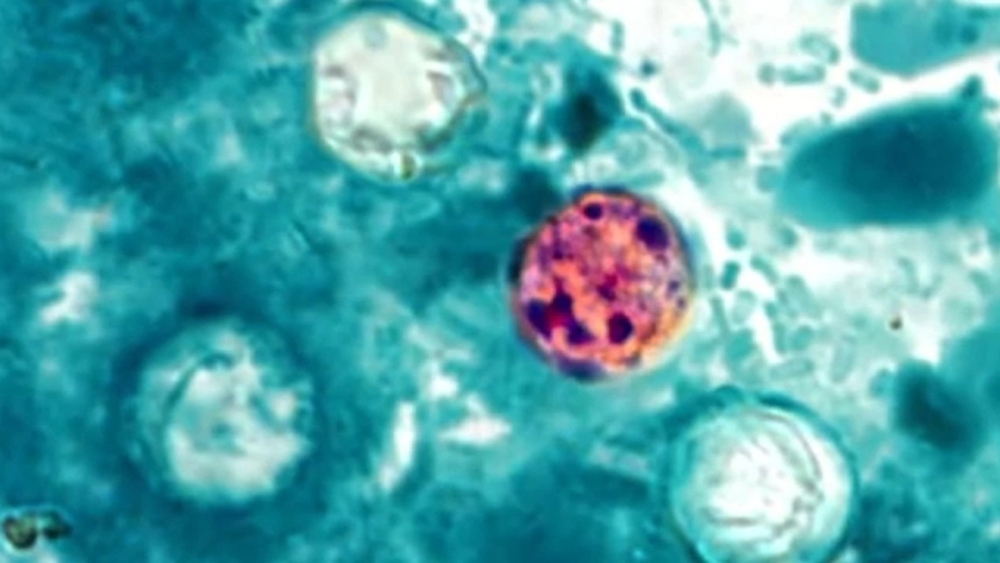
RALEIGH, N.C. (WTVD) -- The North Carolina Department of Health and Human Services is reporting over 200 cases of cyclosporiasis, a parasitic illness that causes gastrointestinal symptoms, as infections continue to rise during the summer months.
Experts say the parasite, Cyclospora cayetanensis, is commonly spread through contaminated water, fruits and vegetables and tends to appear more frequently during warmer weather.
"It's called cyclospora. It's a parasite," said Dr. David Weber, an infectious disease specialist with UNC Health. "You acquire it by ingesting generally either contaminated water, contaminated fruits, especially berries such as raspberries, or contaminated herbs such as parsley."
People infected with cyclosporiasis often experience watery diarrhea, bloating, fatigue, loss of appetite and low-grade fever. Symptoms can last for days or even weeks, Weber said.
"Nobody wants to be at the grocery store and you really need to run to the bathroom and can't make it, or be in a car not near a rest area," Weber said. "It can really interrupt your normal daily life activities."
While many people recover without hospitalization, others can experience more severe symptoms.
"The ones that are sick enough to come into the hospital feel pretty miserable," Weber said. "They feel quite bloated."
Health experts emphasize that cyclospora does not spread directly from person to person. The illness can typically be treated with antibiotics once diagnosed.
Although cyclospora has been identified for years and is often linked to contaminated imported produce, Weber said health officials are seeing an increase in cases this summer.
How to protect yourself:

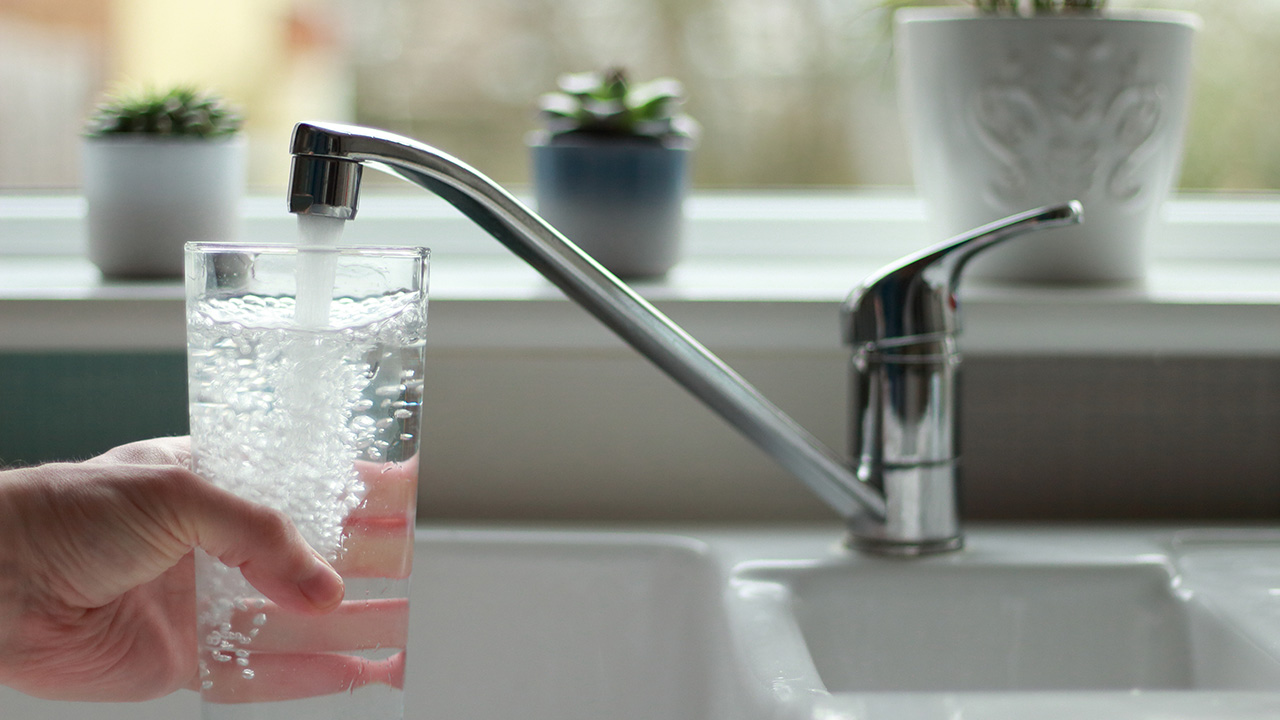

To reduce the risk of infection, doctors recommend avoiding swallowing pool water and thoroughly washing fresh produce before eating it.
"You should clearly rinse your fruit that you buy," Weber said. "That won't eliminate it entirely for things like raspberries because they have all those little crevices in them, which can make cleaning more difficult."
The U.S. Food and Drug Administration recommends:
- Washing hands with soap and warm water for 20 seconds before and after handling produce.
- Rinsing fruits and vegetables before peeling them.
- Gently rubbing produce under running water instead of using soap or produce washes.
- Scrubbing firm produce, such as melons and cucumbers, with a clean vegetable brush.
- Drying produce with a clean cloth or paper towel.
- Removing the outer leaves of lettuce or cabbage.
Health officials encourage anyone experiencing prolonged diarrhea or other symptoms associated with cyclosporiasis to contact a healthcare provider.