Advocates push for more action on youth tobacco use


RALEIGH, N.C. (WTVD) -- North Carolina's newly signed state budget includes measures aimed at reducing youth tobacco use, but public health advocates say lawmakers should take additional steps to address the issue.
New analysis of the National Youth Tobacco Survey from RTI shows youth tobacco use continues to decline nationally, a trend researchers and advocates say is encouraging.
"Those drops are great to see and certainly give us hope that the tobacco control efforts that we're putting into place are having an effect," said Lauren Dutra, a senior researcher with RTI.
However, Peg O'Connell, Chair of the Tobacco 21 Coalition, wants to see more of that momentum in the state.
"North Carolina is an outlier," she said. "We're one of three states that doesn't have retail licensing or hasn't raised the age yet, so our use of vapor products is much higher than the national average."
O'Connell referenced the state's 2023 Youth Risk Behavior Survey, which showed high school e-cigarette use in North Carolina was 21.4%, more than double the national rate of 10%.
"Kids are dying. Kids are suffering," said Milo Muzyk, a student at Cardinal Gibbons High School and a member of the North Carolina Public Health Association's T21 Youth Council.
Muzyk said tobacco and nicotine products remain prevalent among students.
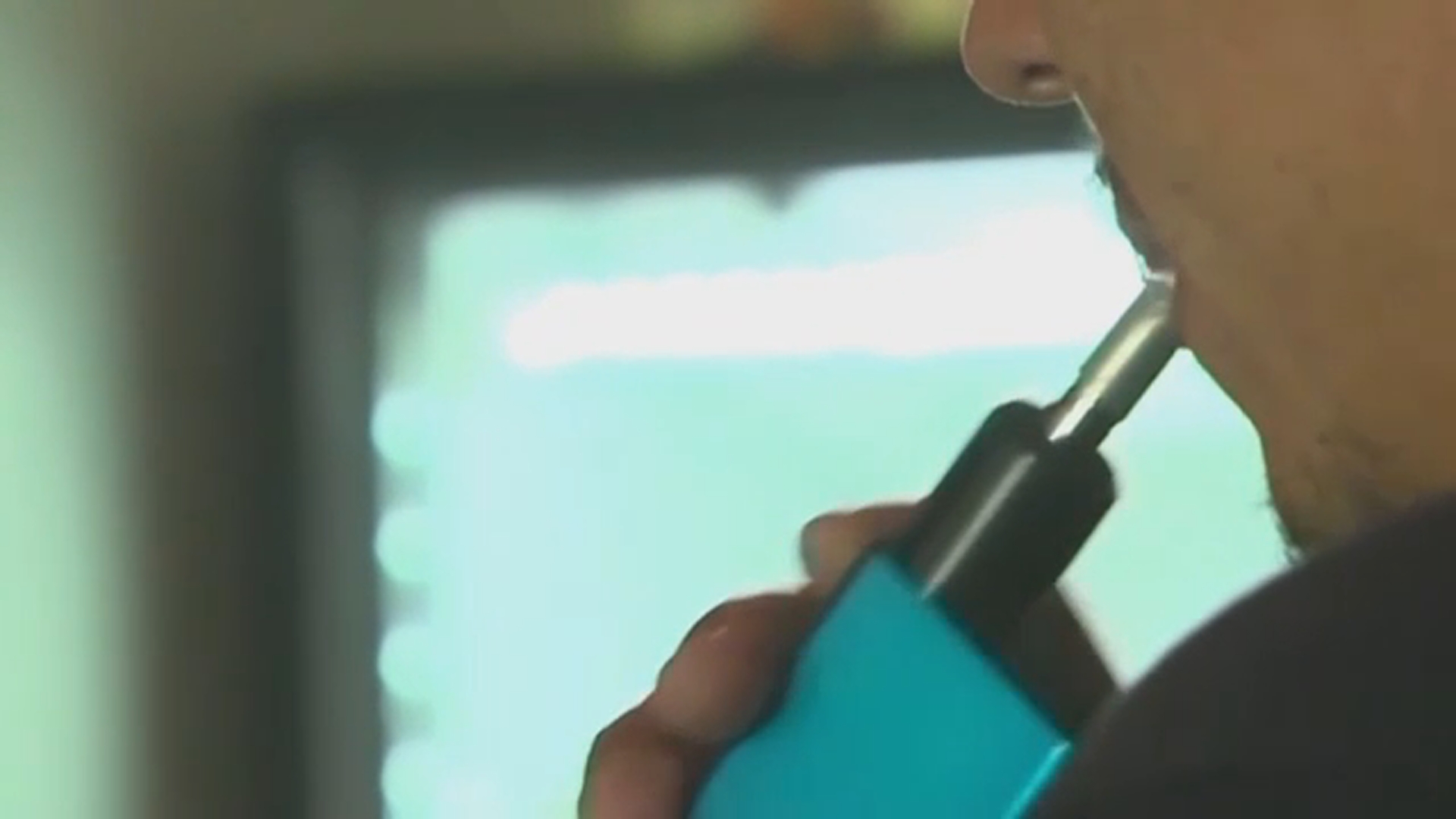
"Kids are vaping in the bathrooms," he said.
He said the issue affects even those who don't smoke.
"Secondhand smoke is just as big of a problem (for) teachers at schools," Muzyk said.
Nationally, 7.2% of middle and high school students reported current tobacco use, with e-cigarettes remaining the most commonly used product. Both figures have declined since 2022.
The new state budget includes a $1,000 tax on vape shops and prohibits anyone younger than 21 from entering those businesses.
In a statement to ABC 11, Tony Abboud, Executive Director of the industry trade group Vapor Technology Association, criticized the new tax on vape shops.

"VTA has long supported policies and rules that prevent youth access to vapor products while still allowing adults to access a wide variety of the products that are proven and effective in quitting deadly cigarettes," Abboud said. "North Carolina's new additional license fee on shops selling vapor products does not prevent youth access, but rather places a higher burden on the American small business owners selling these products. It's bad for business and it's bad for public health.
"Instead of introducing new charges and costs for legal business owners who are trying to make a livelihood and help adult consumers access the products they need, the state should seek to target the bad actors who sell to youth and implement health and financial policies that will not turn North Carolinians back toward deadly cigarettes," he continued.
O'Connell said she believes it's a positive step, though it only addresses a portion of how young people access tobacco.
"Most kids don't go into vape shops," O'Connell said. "They go into corner stores and convenience markets and gas station. That's where they're getting these products. And that's where we need to make sure that not only vape shops are at 21, but that we raise the legal age to purchase these products and to sell these products in all the places."
Both Muzyk and O'Connell are calling on lawmakers to take up Solly's Law (HB 430), a proposal that has received bipartisan support but has not reached the floor for a vote. The measure would raise North Carolina's minimum age to purchase tobacco products from 18 to 21 and establish a permit system for retailers.
As legislative efforts continue, advocates say education remains a critical tool in reducing tobacco use among young people.
"Our whole mission is centered around protecting kids and being able to give kids the knowledge," Muzyk said.
"There are really two big strategies - preventing use and promoting cessation of tobacco," added Dutra.