AI and data centers reshape career choices, workforce demands


NORTH CAROLINA (WTVD) -- As artificial intelligence becomes more common in classrooms and workplaces, educators, students and employers are beginning to see its effects on career decisions and workforce needs.
While the job impact of AI remains uncertain, new research suggests the technology is already influencing what students choose to study and how businesses plan for future hiring.
"Public and civic education is incredibly important," said NC State student Joi Hester.
Hester, a rising junior majoring in world languages and culture and minoring in biology, said opinions on AI often vary.
"That really depends on what type of student that you're asking, in terms of what their field is, as well as which sort of level they are at," Hester said.
According to the Lumina Foundation-Gallup 2026 State of Higher Education Study, 13% of bachelor's degree students said they have considered changing their major "a great deal" and 29% say they have considered changing it "a fair amount" because of AI.
"Currently everyone is expecting some degree of job displacement, but that it isn't necessarily as simple as these tasks now be automated," Hester explained.
The survey found 16% of currently enrolled college students have already changed majors or field of study because of concerns about AI's impact on future employment.
Hester said one potential concern is that businesses could need fewer workers if AI handles more routine tasks.
"One of the biggest negative impacts is the fact that if you need human supervision rather than execution, then it's going to be a smaller workforce. It's going to be less people able to enter. And why would a company want to take on new employees who may not be as familiar with a highly evolving technology as low as that, they can just sort of train up in-house. You may see that it's not necessarily the mass layoffs, but why would they let go of this highly skilled population that is already familiar with what they want to implement," said Hester.
Despite those concerns, Hester said humanities programs continue to offer important advantages.
"That is one of the places where people like me, who may be in a major that is considered endangered by AI, could be a bit more competitive because we are willing to sort of step beyond what an LLM may say is the best answer, and put our own brain to the task," Hester said.
Hester shared she only uses artificial intelligence when required to do so as part of her coursework.
"I think learning a variety of skills is always going to be useful. But I do think that it feels a little bit defeatist to accept that we must be trained in these skills in order to remain competitive as we enter the job market," Hester shared.
At the same time, the rapid growth of AI is creating demand in other sectors, particularly construction and infrastructure.
The expansion of artificial intelligence has fueled a wave of data center development across the country, increasing demand for skilled workers to build and maintain those facilities.

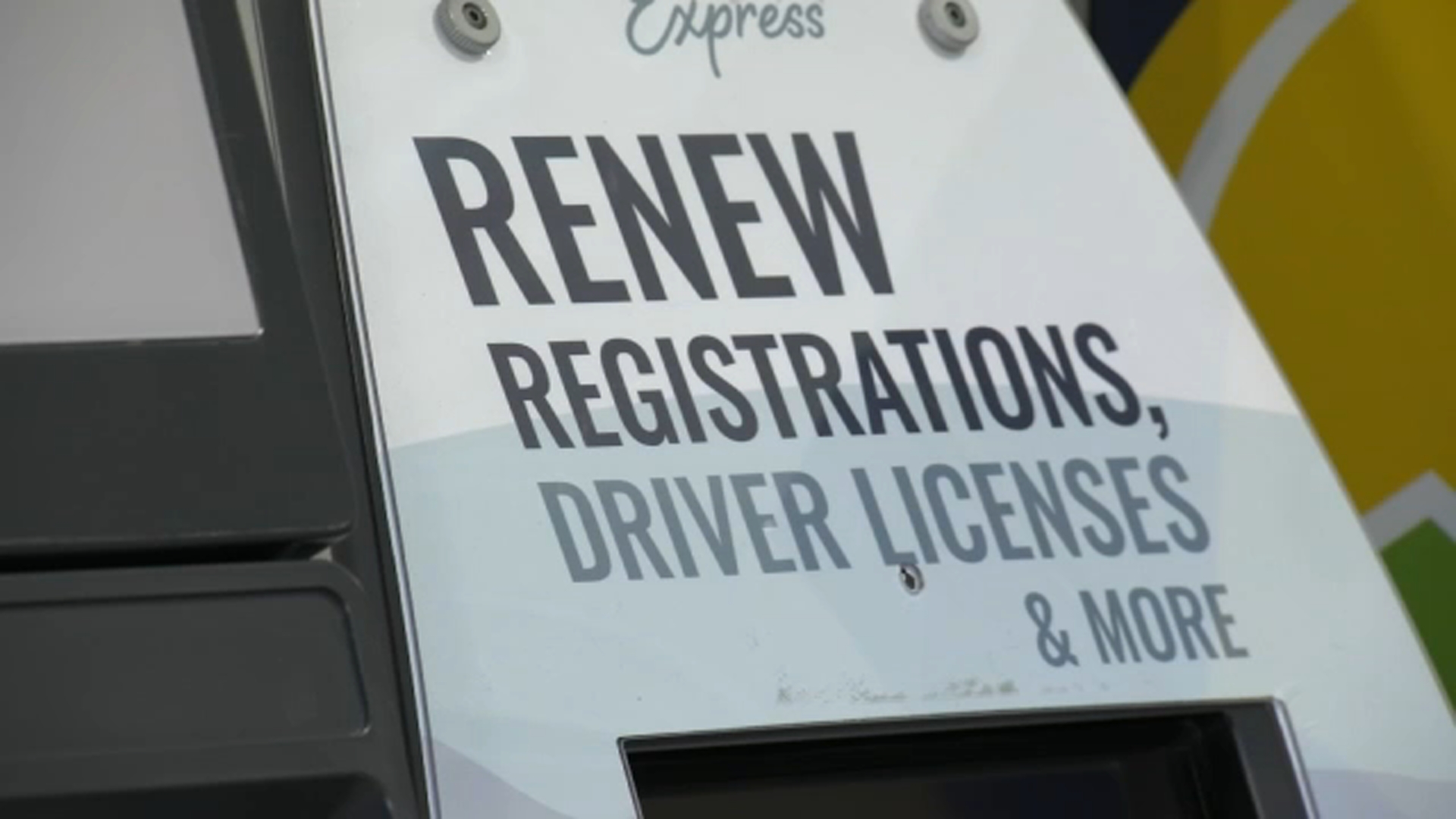
"Data centers are unique. There's a heavy commercial aspect to these jobs, and then there's a lot of industrial aspects," said Joel Thames, Vice President of Environment, Health, Safety and Workforce Development for Associated Builders and Contractors, a national construction industry trade association.
The group recently partnered with Meta as part of America's Workforce Academy, a program through which the company is investing $115 million to train workers for AI infrastructure and other construction-related jobs.
"As soon as (Meta) made the announcement, thousands of applications flooded in," Thames said.
The initiative comes as the construction industry faces significant labor shortages. The trade group estimates the industry will need 456,000 additional workers next year to meet projected demand.
"The long-term goal (of America's Workforce Academy) is once they get their foot in the door, they get comfortable, working construction, working in the trades. The goal (is) that we can enroll them in something more robust later," said Thames.
Demand is especially strong for workers involved in data center construction, where contractors report larger project backlogs than many other segments of the industry.
"The chances of them staying with the same contractor and continuing that type of work is very high. We're projecting that this creates lots of growth opportunities for these individuals," said Thames.
He further said there are also possibilities for long-term work on-site.
"These facilities do take a substantial amount of maintenance," Thames said. "ABC represents over 20,000 contractors in the U.S., and many of those folks do work in the maintenance space as well. The good thing about this AI expansion is from our understanding, this will go on for years and years."
Past that, Thames said there are several different types of businesses which could feel indirect growth as a result of these projects.
"Even Home Depot, where they may not employ (those workers), they understand that generating more interest to the trades and to construction is eventually going to circle back to their business as well, whether it's purchasing materials and tools," Thames explained.
The growth of data centers has also sparked debate among local governments in North Carolina. Some communities are considering moratoriums or development pauses, while others are courting projects. Supporters point to job creation and local investment, while critics have raised concerns about environmental impacts and utility use, while questioning the true scale of long-term employment figures.
Download the ABC11 App for breaking news and weather alerts