Death of Johnston County woman underscores need to recognize early signs of dementia in loved ones

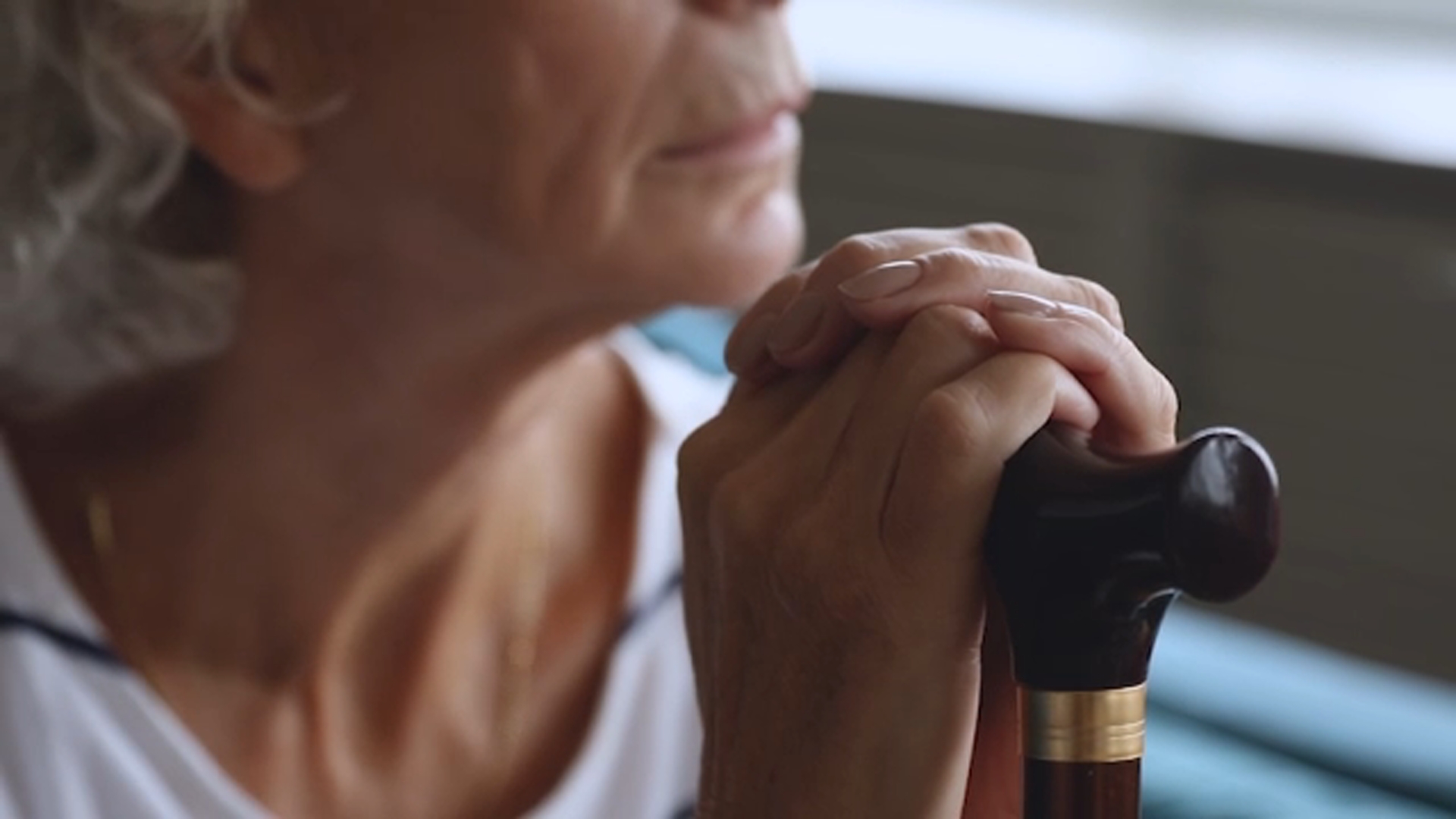
DURHAM, N.C. (WTVD) -- A tragic end to the search for a missing Johnston County woman with Alzheimer's disease has prompted attention on identifying the early signs of dementia, especially as families come together for the holidays.
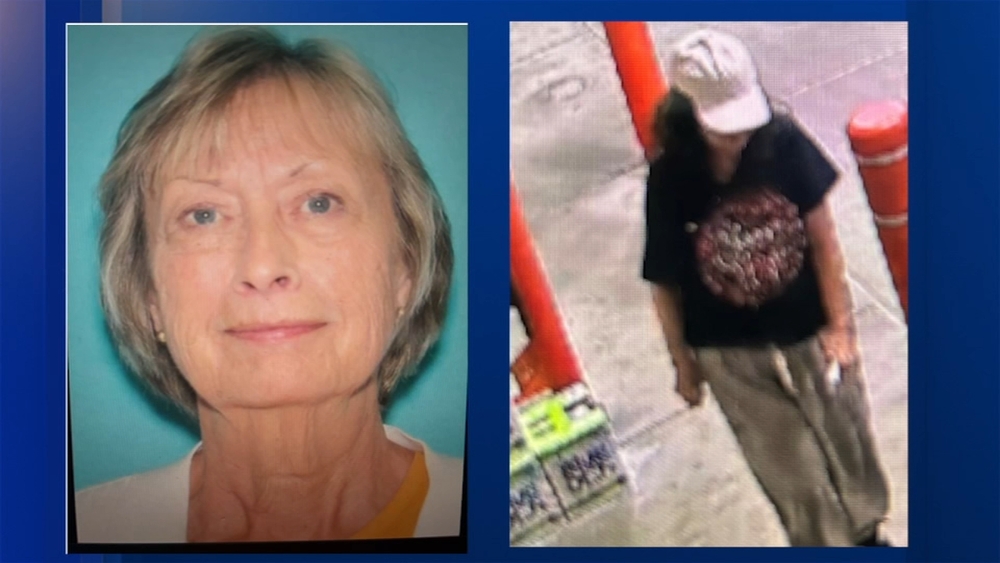
According to the Johnston County Sheriff's Office, Linda Airington and her husband, who also has dementia, were last seen together on Friday, Nov. 7, at Murphy's gas station in Smithfield. Around 4:30 that afternoon, the family got a call from Wake County authorities that they had found the husband disoriented walking along I-40 and Jones Sausage Road.
The husband could not remember the events that afternoon, except that they ran out of gas. Their truck was found abandoned, and Linda has not been seen since.
On Friday, Nov. 14, deputies from Wake and Johnston sheriff's offices found a woman's body in the area near I-87 and I-40 interchange. She was later identified as Linda Airington.

Dr. Andy Liu, an Alzheimer's researcher and associate professor of neurology and pathology at Duke University, described the situation as "very tragic and unfortunate."
New cases of dementia in the United States are expected to double over the next three decades, with four in 10 Americans over the age of 55 at risk, according to a recent study.
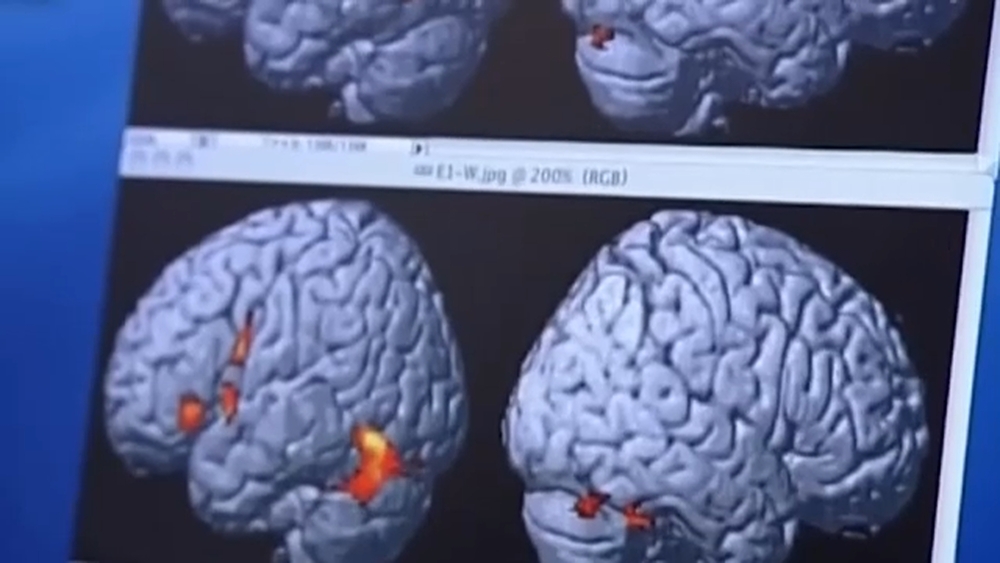
Dementia encompasses a range of cognitive decline, including memory loss and difficulty concentrating, which can affect daily life and independence. It includes diseases such as Alzheimer's, Lewy body dementia, and vascular dementia.
Dr. Liu said the holidays can be an important time to pay attention to changes in older relatives. If you notice repeated memory loss, trouble finding words or other shifts in behavior, he recommends bringing it to their attention, even if it feels uncomfortable.
"It can be very sticky, especially if it's an adult child trying to address it with their parent," he said. "But I think these tough conversations are definitely needed."
SEE ALSO: FDA approves drug shown to slow cognitive decline in early-stage Alzheimer's patients
These early conversations can make a huge difference in treatment.
"We know that if we evaluate people earlier, we can get them on medication to help with those symptoms, and the earlier we get them on the medication, the better they respond to it," Dr. Liu said.
He added that a diagnosis and treatment can be important steps for public safety as those with dementia may pose a risk behind the wheel or even with little behaviors such as forgetting to turn off the stove.
While physicians can run tests on individuals, family members can help with diagnosis by providing critical context.
"They have a much better understanding of what a patient's baseline is, you know, and it's that intra individual change that I'm looking for," Dr. Liu said.
For families who can't always be with their loved ones, Dr. Liu suggested considering a smartwatch for location tracking or fall detection.
Overall, he encourages you to trust your instincts and seek medical guidance if something seems off.
SEE ALSO: Alzheimer's research: Duke, UNC team up to seek medical breakthroughs in women's health
ABC News' Mary Kekatos contributed to this report.