Can Durham repair a historic wrong? New Durham Freeway plans spark hope in Hayti
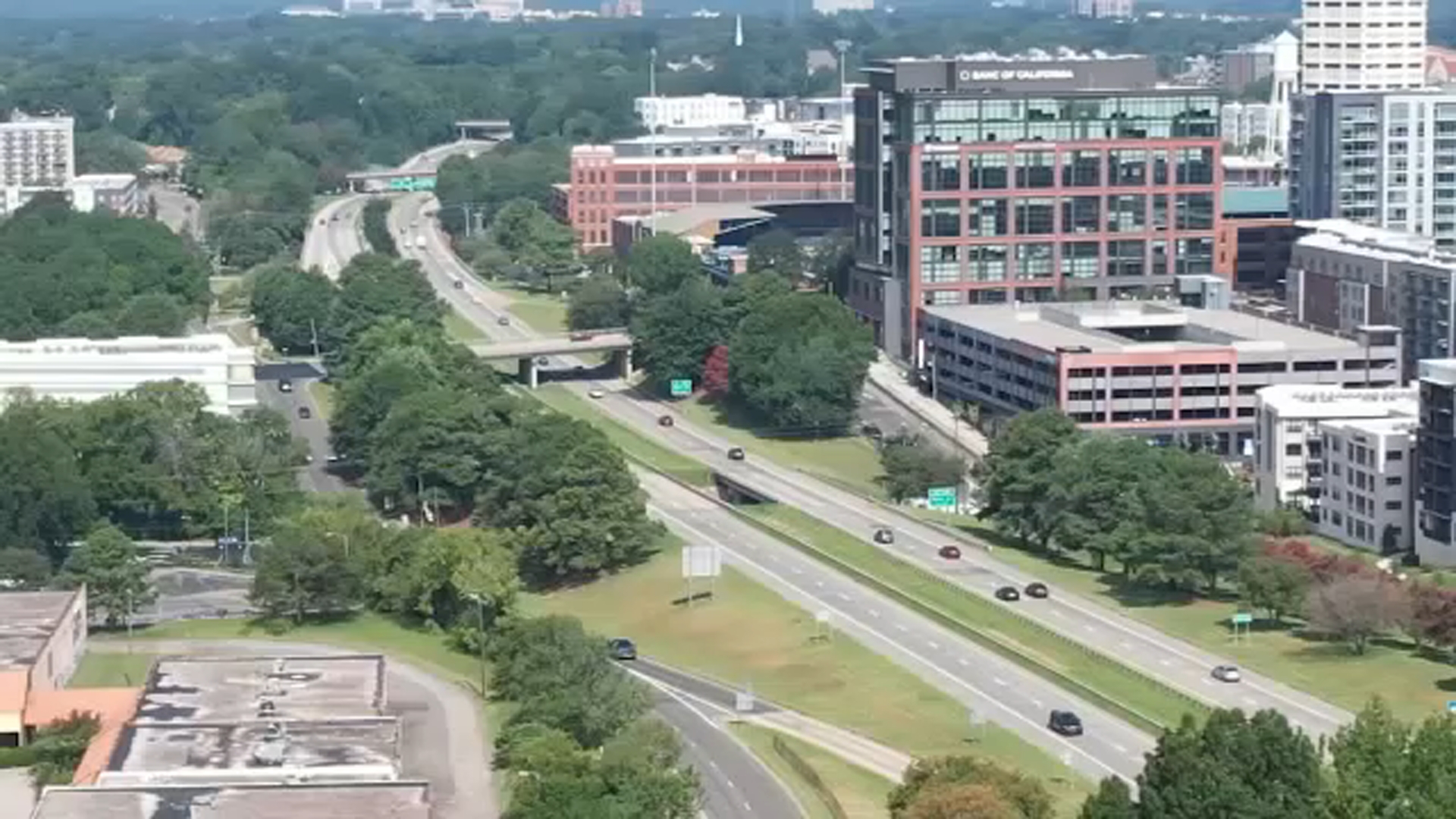


DURHAM, N.C. (WTVD) -- A plan to reimagine the Durham Freeway is reopening old wounds for many longtime Hayti residents who say the construction of NC 147 forever changed their community.
Eighty-seven-year-old Melvin Speight remembers watching businesses and homes disappear as the freeway was built through the heart of Durham's historic Black neighborhood.
"If you look at the whole design of the expressway, they built the center and erased us," Speight said.
The construction of the Durham Freeway displaced thousands of residents and led to the loss of hundreds of homes, businesses and cultural landmarks in Hayti, once one of the state's most prosperous Black communities.
"That was the ugliest picture I'd seen. So many people displaced," Speight said. "Many of the mom-and-pop stores never really came back."
Speight later opened Speight's Auto Repair, inspired by the entrepreneurial spirit that once made Hayti a thriving economic center. His father helped organize a taxicab association for African Americans in Durham.
Even today, Speight said driving along Fayetteville Street serves as a reminder of what was lost.
"I'm seeing deserted houses, burned-down houses, houses that should be in a historical museum gutted out, and a lot of disaster," he said.
Now, city leaders are exploring whether the freeway that divided the community could also help reconnect it.
On Monday, Durham City Council members reviewed three potential options for the NC-147 corridor as part of the Reimagine Durham Freeway Vision Plan.
One option would replace parts of the freeway with an urban boulevard at an estimated cost of $500 million.
A second proposal would build a freeway cap, or land bridge, creating new public space for an estimated $450 million.
The third option would modernize the existing freeway, also at an estimated cost of $450 million.
"My favorite option is the freeway cap. I want to reconnect Hayti to downtown," Mayor Leo Williams said.
Williams said funding for any of the projects would need to come from multiple sources.
When asked how the plans would help repair past harms rather than simply modernize the roadway, Williams said the project could be an opportunity to address historical inequities.
"Government decisions in past times did people wrong. Government decisions in current times do people right," Williams said. "We're going to repair the harms of the past, and we're going to have a new day."
Speight said he is hopeful the effort can help restore what the community has lost.
"A lot of people have lost hope, but it can be reestablished," he said.
Durham's Transportation Department has submitted a request to the North Carolina Department of Transportation seeking information about the condition of bridges along the corridor. Officials said that assessment will help determine which option ultimately moves forward.