'Highballed': Data shows tax assessment inequalities affecting longtime homeowners


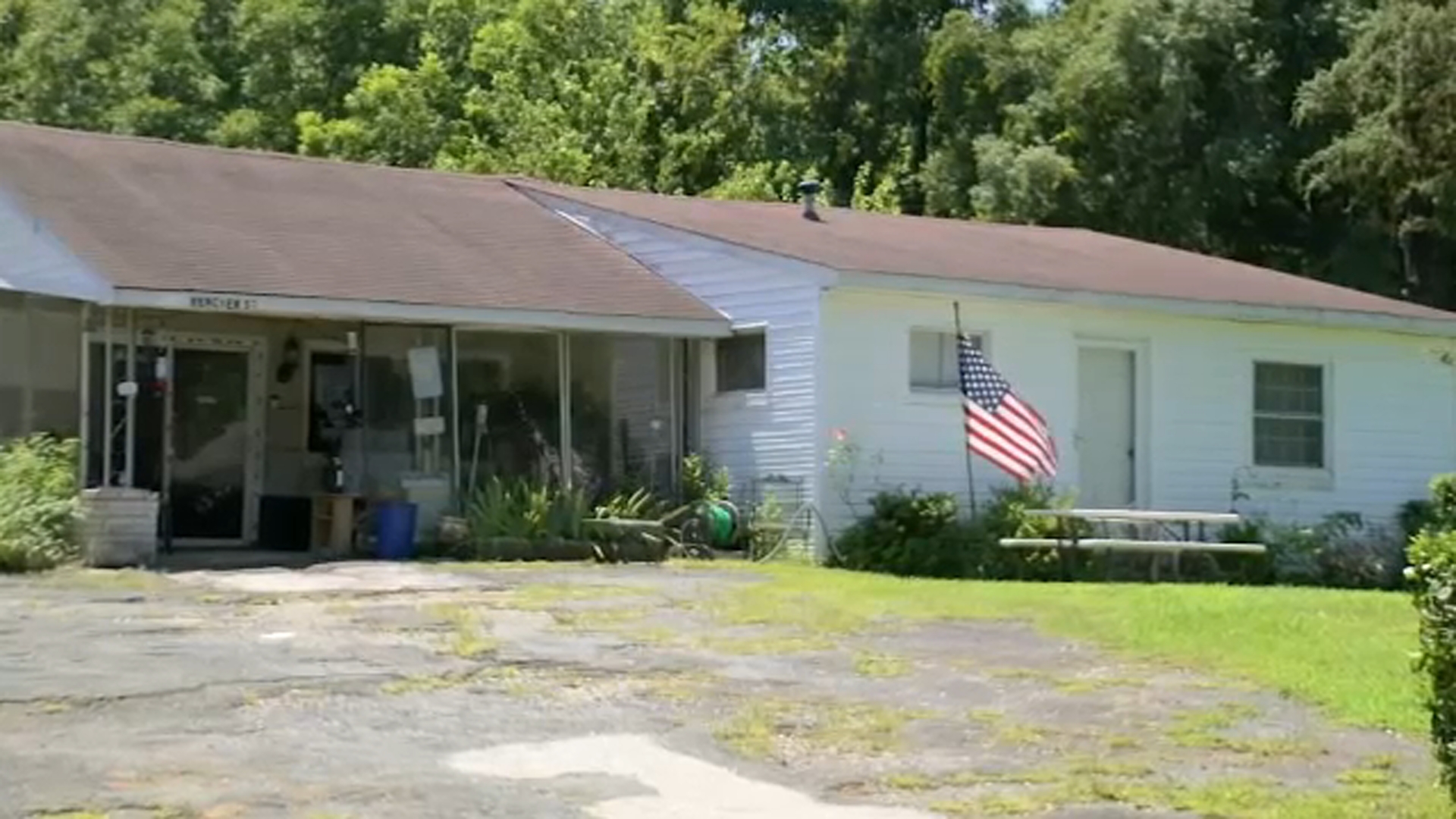
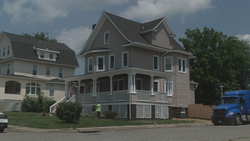
HILLSBOROUGH, N.C. (WTVD) -- Beverly Walton can tell her life story on Rencher Street in Hillsborough.
"I'm 66 years old, so I've been there 66 years," she said.
She grew up in one house, met and married her husband, who lived down the street, and later started a family of her own, building a generational legacy.
"When my parents died, my mom left me a home, my three children a home, and my oldest grandchild a home," Walton said.
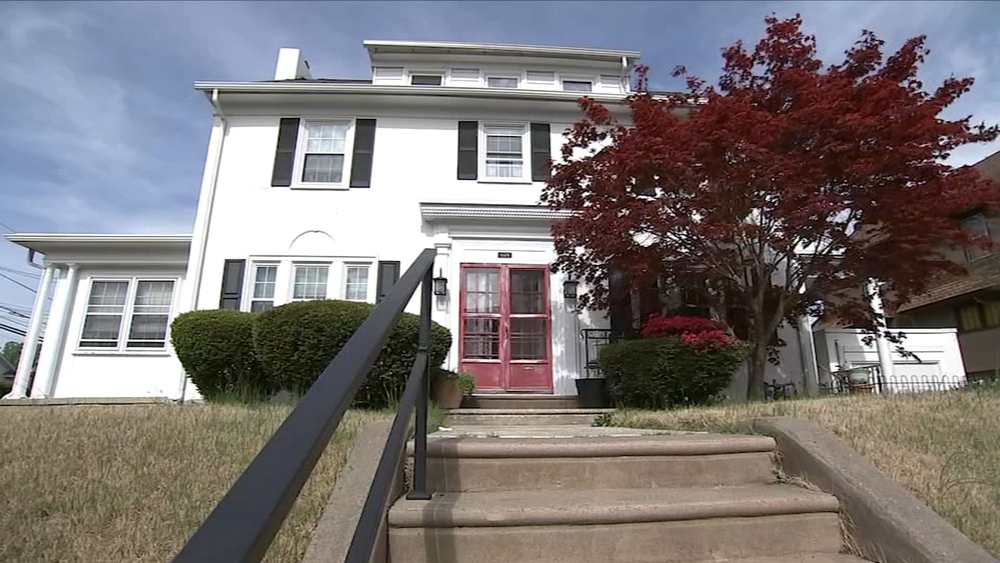
I've got a one-story house that has not changed square footage since 1977, and there are houses down the street that are two stories and their taxes are not as high as mine are. How is that?- Beverly Walton, Hillsborough resident
But in the home she built, her last tax bill was more than $1,500. She said that living on a fixed income, she doesn't know if she can afford it.
"If I pay my taxes, then I probably won't eat for a month or I won't buy medicine for a month," she said.
What's more frustrating is that she believes her home is being assessed too high, even when she hasn't made any renovations to the house in decades.
"I've got a one-story house that has not changed square footage since 1977, and there are houses down the street that are two stories and their taxes are not as high as mine are. How is that?" Walton said.
It turns out, there is a discrepancy in just a few miles span.
Walton's home was assessed at $255,000 by the Orange County Tax Assessor, and just two-and-a-half miles away, a newer home was assessed for three times as much, almost $675,000, but because it was at a lower rate on average, Beverly is paying about $88 more in taxes per $100,000 worth of property value.
She said other homeowners in her historically Black neighborhood in Hillsborough are seeing the same thing.
"It's gotten to the point where I have to wonder, are you trying to price me out because I'm Black or brown, or are you willing to help me stay where I am because this community was built on the backs of my parents?" she said.
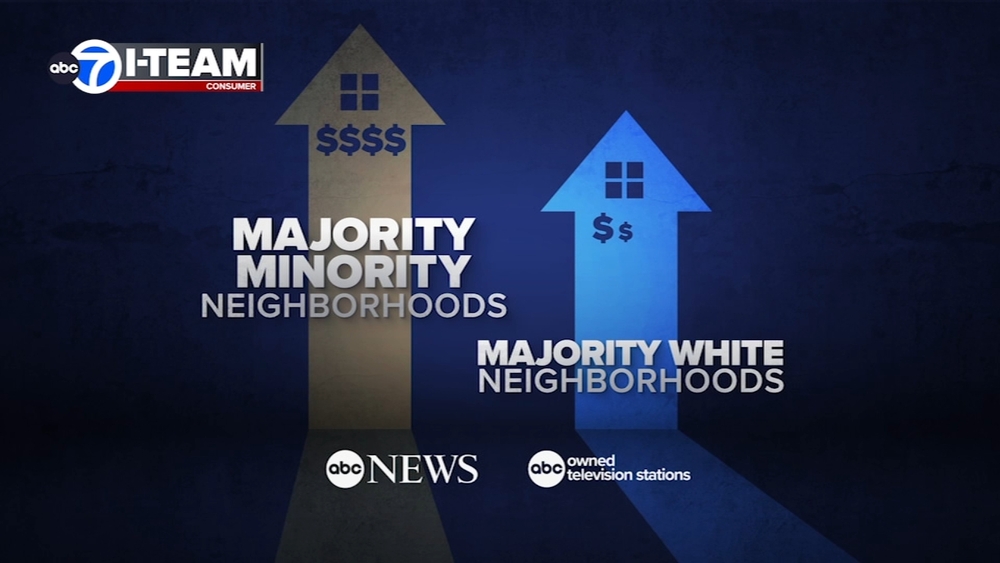
Overall, across the Triangle, combining Wake, Durham, and Orange counties, analysis from the ABC Data Team found on average a $9 difference in property tax paid per $100k of home value in majority non-White neighborhoods vs. all other neighborhoods. In a process known as being "highballed," people left unable to afford the tax bills too often lose their homes and are left with nothing.
MORE IN THIS SERIES
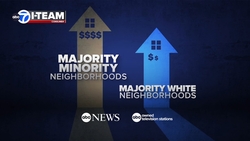
That might not sound like much, but keep in mind the average home price in non-White neighborhoods is $200,000 less than in majority White neighborhoods, meaning higher bills on a lower average income.
"For the average citizen who grew up here and whose family is here, it's devastating, they're losing homes, and it's no coincidence as soon as it's gone, it's bulldozed and a $600(,000), $700,000 home goes up right in that spot," said Horace Johnson Jr. of Hillsborough.
It's why they want to see changes in Orange County at the neighborhood level.
"They can do things such as neighborhood adjustments. They can make those adjustments at the neighborhood level if there's a discrepancy in how land is valued," said George Barrett from the Marian Cheek Jackson Center.
They say that though it's a good thing that so many people want to live in the Triangle and our economy is booming, it's who is left behind that they're worried about.
"We know that there's a need for revenue from property taxes, we know that we're in a growing space, but there are tools that can be put in place so these neighborhoods aren't bearing the brunt of that growth," Barrett said.
But back on Rencher Street, as long as Walton is around, traditions will continue even when things get tough.
"I guess I'll just have to scrape, scramble, and pay those taxes, because I'm not losing my home, Orange County will not put me out," she said.