Legal experts share insight on court proceedings following deadly attack on Charlotte light rail



RALEIGH, N.C. (WTVD) -- The U.S. Department of Justice announced on Tuesday that it was filing a federal criminal complaint stemming from the shocking attack on a Charlotte light rail last month.
Decarlos Dejuan Brown Jr., 34, has been charged with one count of committing an act causing death on a mass transportation system. He's separately facing a state charge of first-degree murder in the stabbing death of Ukrainian refugee Iryna Zarutska.
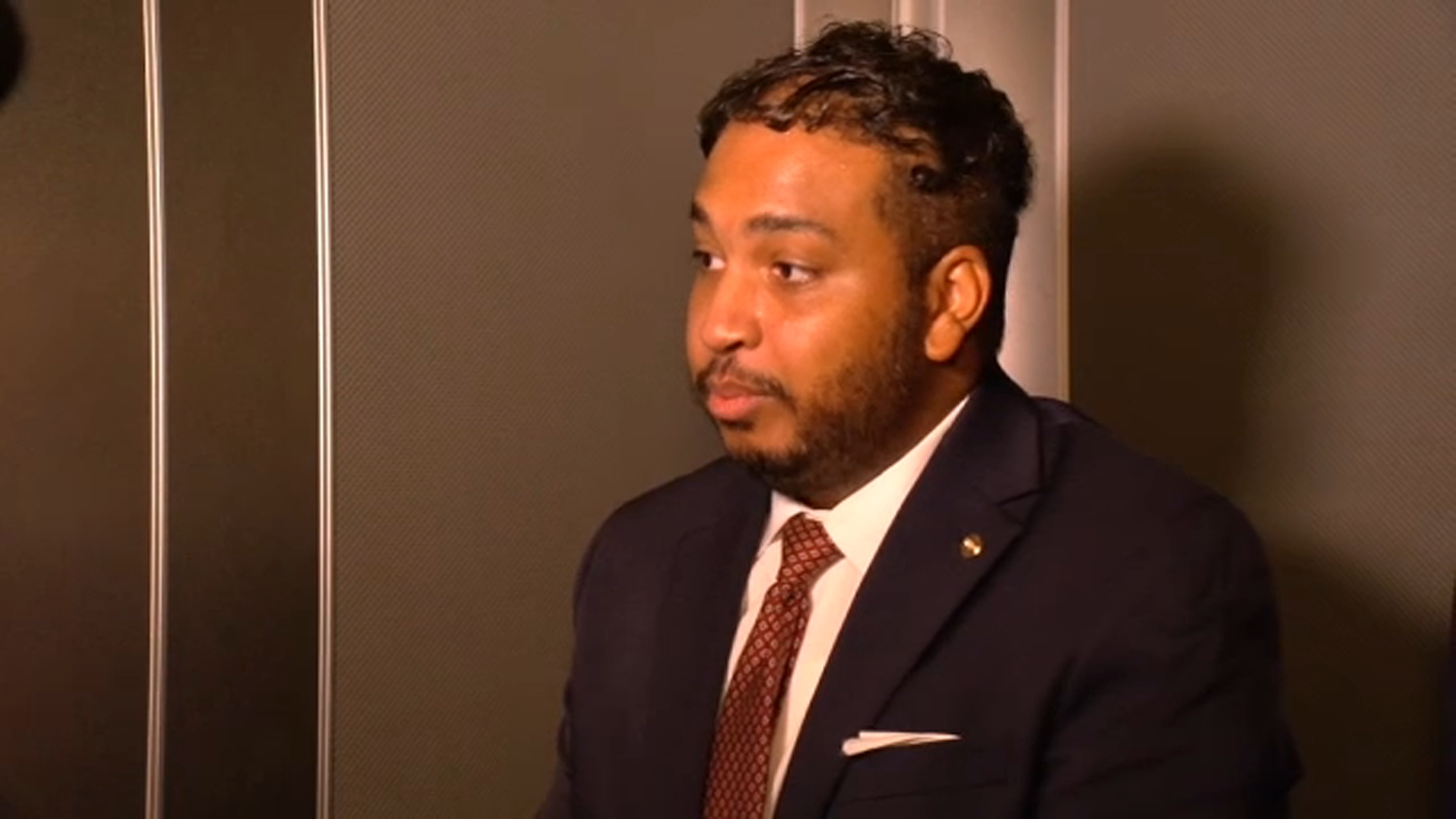
"It's absolutely jarring," said former U.S. Attorney Michael Easley, Jr..
The surveillance video of the attack has sparked widespread outrage and questions about the state's criminal justice system. Brown, who is homeless, has an extensive criminal history, which includes spending five years in prison for robbery with a dangerous weapon.
"One of the challenges that we see with recidivist offenders is that the tools that we have in our public safety toolbox are so limited in our ability to solve the array of challenges that people have. We have certain sentencing guidelines that impose very specific sentences for very specific crimes, and sometimes those sentences feel inadequate," said Easley, who is now a partner at the law firm McGuireWoods.
ALSO SEE | Triangle leaders react to deadly Charlotte stabbing attack, underscore mental health resources
In January, Brown was arrested for misusing 911, a misdemeanor, and released on a promise to appear.
"(Judges) have to be judicious in who you choose to detain. If you fill up your jail with misdemeanor offenders, you lose the ability to deploy those resources to try to detain some of the most recidivist violent offenders who were the serial shooters and those who were driving gun violence in our streets, which is also a reality," said Easley.
Judges take into a series of factors into consideration when determining pretrial conditions, including but not limited to a suspect's history of criminal convictions, weight of evidence, family ties, employment, financial resources, character, mental condition, whether the defendant is intoxicated to such a degree that he would be endangered by being released without supervision, the length of residence in the community, history of flight to avoid prosecution or failure to appear at court proceedings, and any other evidence relevant to the issue of pretrial release.
"A judge has to look at the total mix of information available to make the best decision that they can make at the time," said Easley.
Other legal minds also shared their assessments with ABC11.
"From the perspective of the District Attorney, and that position that I held, is that you have to make sure that you're providing the most up-to-date information that you have to the judge that's presiding over the case. The magistrates don't have that. The magistrates could be sitting there at 3 in the morning trying to decide whether to impose a secured bond or an unsecured bond with very little help," said Ned Mangum, who formerly served as Wake County District Attorney and Wake Chief District Court Judge. Mangum is now a partner at the law firm Smith Debnam.
Lorrin Freeman, the current Wake County District Attorney, added, "We always are interested in is there an indication that somebody is a threat to public safety? And certainly, bond is not designed to be punitive, but it is designed certainly to secure somebody's attendance in court and then to also protect the public. We are looking at their criminal history, what types of offenses they've committed. Have they routinely shown up for court or skipped out to make determinations about bond."
According to ABC affiliate WSOC, Brown also has a history of mental health issues.
"I think a very real challenge, especially in these types of cases, is that very often individuals who may have an underlying mental health issue when they come in contact with the criminal justice system, they are coming in contact on some type of a misdemeanor charge. A lot of times, what we see are what we consider lower-level, nonviolent type offenses, where even our ability under state law to hold them for any period of time is restricted. What happens is we really don't have the mental health system that we need. The ability to have someone involuntarily committed and held for any period of time to try and stabilize them is something that the state really needs to put some serious work and resources into," Freeman added.
Mangum agreed that the mental health component needs improvement.
"We need more resources when it comes to mental health challenges. In Wake County, the leadership in many different areas have always tried to overcome the loss of Dorothea Dix Hospital," Mangum said ."But the reality is, we're still playing catch-up here with the mental health delivery system in Wake County. The largest mental health provider in Wake County is the Wake County jail. It's a topic that's on the minds of leadership, but it's a difficult one to tackle."
Easley shared his perspective on how to improve public safety in North Carolina.
"The best way to improve public safety in the state of North Carolina is to get serious about investing in public safety. That means more prosecutors, better pay, better investment in our local law enforcement officers who are putting their lives on the line every day to keep us safe. It also means doubling down on the investment in the mental health resources, in the substance abuse resources that can take mental health cases off the plate of law enforcement and in the hands of experts and professionals who know how to get somebody the treatment that they need to get them back on track and not in a course where they will have a psychotic break and hurt people," said Easley.
As North Carolina deals with a fast-rising population, the onus is on the court system to ensure it can handle case loads.
"The General Assembly gets to decide how many magistrates, judges, district attorneys, public defenders there are, and they do that through the budgeting process at the General Assembly. I think most Chief District Court judges or (district attorneys) would say that you would like to have more help. But in the last several sessions of the legislature, the General Assembly has tried to be fair with the criminal justice system about resources," Mangum said.