Cooling stations open to public amid dangerous heat in Wake County

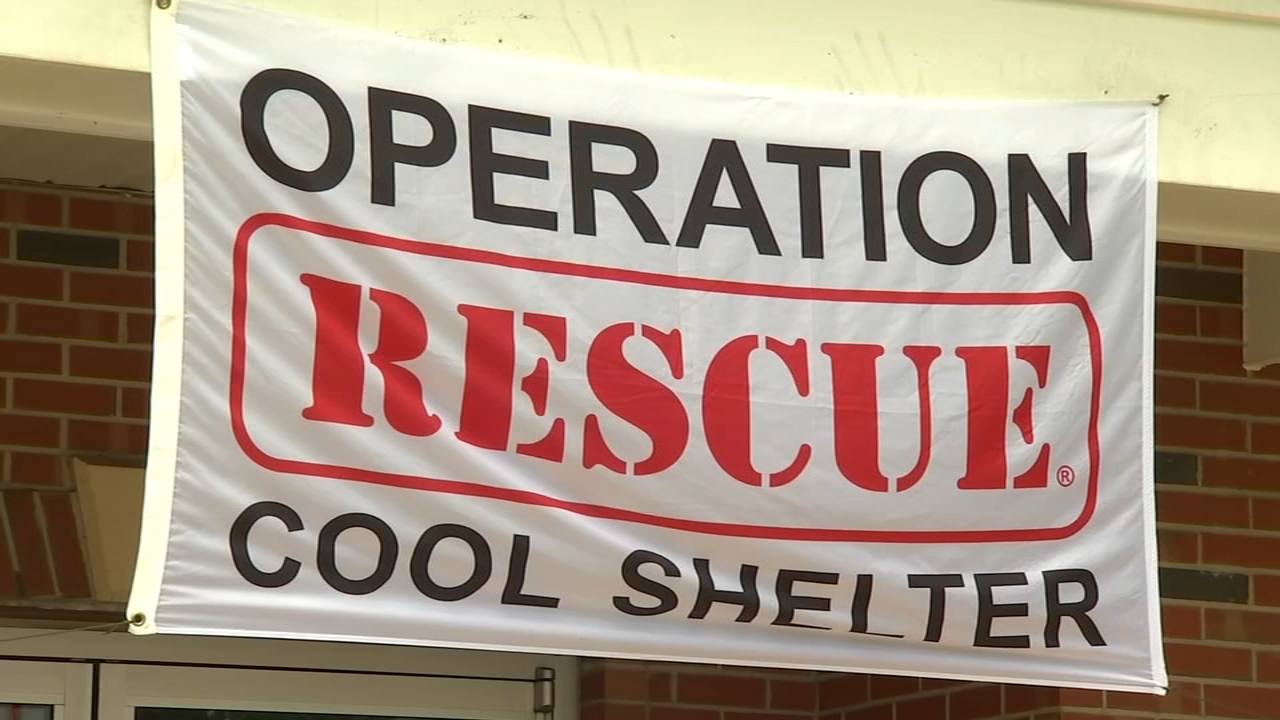
WAKE COUNTY, N.C. (WTVD) -- With dangerously hot conditions expected through Monday, Wake County is opening temporary cooling stations.
"Whether you're headed to a park, ballgame or just mowing the lawn, this level of heat can quickly become dangerous," Darshan Patel, emergency management operations manager of Wake County Fire Services and Emergency Management, said in a news release. "We encourage everyone to take advantage of the cooling centers or drop into a library this weekend to cool off, hydrate and stay safe."
Here's a list of places to take a break from the sweltering heat:
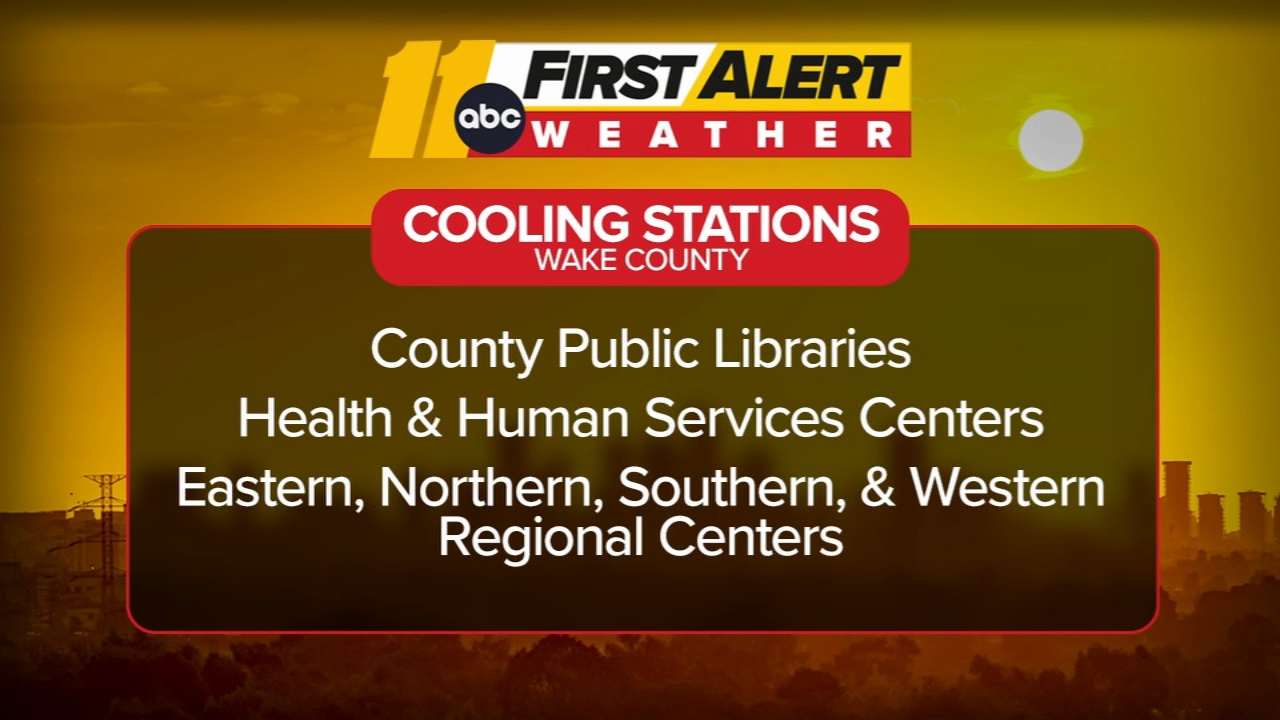
Wake County Public Libraries
Cooling stations will be open from Friday, July 11 to Monday, July 14. Closing times vary for each library, so it is recommended to call ahead or checking online to see their hours is recommended.
Regional Centers and Health and Human Services Centers
Regional Centers and Health and Human Services Centers are not open during the weekend, only Friday, July 11 and Monday, July 14 from 8:30 a.m. to 5:15 p.m.
- Raleigh: Wake County Health & Human Services, 220 Swinburne St.
- Raleigh: Wake County Health & Human Services Center at Departure, 5809 Departure Drive
- Zebulon: Eastern Regional Center, 1002 Dogwood Drive
- Wake Forest: Northern Regional Center, 350 E. Holding Ave.
- Fuquay-Varina: Southern Regional Center, 130 N Judd Parkway NE
Places, such as EMS stations, fire stations and county fleet maintenance buildings, will not be available as cooling stations.
Heat Safety Tips
- Make sure to drink plenty of water and fluids
- Stay out of sun as much as possible
- Dress in loose-fitting, lightweight and light-colored clothes that cover as much skin as possible
- Find air-conditioned space and limit sun exposure
- Avoid strenuous work during the warmest part of the day
- Avoiding hot and heavy meals can also reduce your body's overall temperature.
- Cut down on exercise during heat waves and rest often and in shady areas.
- Try to limit your time outside to when it is cooler, like in the early morning and evening.
Heat Exhaustion or Heat Stroke

Monitor high-risk loved ones
Anyone can suffer from heat-related illness at any time, but these people are at greater risk:
- Babies and young children
- Overweight people
- People who overexert during work or exercise
- Those who suffer from heart disease or high blood pressure and those who take certain medications, including for depression, insomnia or poor circulation
Wear sunscreen
- Take precautions to prevent sunburn, which can make you dehydrated and affect your ability to cool down.
- Use sunscreen that's SPF 15 or higher 30 minutes before going outside. Sunscreens that say "broad spectrum" or "UVA/UVB protection" are best
Remember your furry friends
Here are some tips from the American Society for the Prevention of Cruelty to Animals for how to keep your pets safe in the heat.
- Provide plenty of fresh water so they don't get dehydrated
- Don't over-exercise pets
- Never leave pets alone in a parked car
- Watch for symptoms of overheating, which include excessive panting, difficulty breathing, increased heart and respiratory rate and drooling.
- Animals with flat faces, like pugs, can't pant as well and are more at risk of heat stroke. These pets, as well as older and overweight pets, should be kept inside as much as possible.