A look at what's in Gov. Josh Stein's recommended budget; NC lawmakers return for short session


RALEIGH, N.C. (WTVD) -- Gov. Josh Stein on Tuesday released his budget proposal as North Carolina lawmakers returned to Raleigh for the start of the short legislative session, with the state remaining the only one in the nation without a newly adopted budget.
Stein pointed to population growth and inflation as risks of continuing without a budget agreement, saying the stalemate threatens the state's ability to keep pace with residents' needs.
"We're putting that winning formula at risk," Stein said.
His proposal calls for $2.3 billion in funding for public education, early learning and childcare and $448 million for economic and workforce priorities, as well as $319 towards the funding of the Medicaid Rebase, which covers adjustments to costs.
"There's a real problem with health care inflation," Stein said. "We're a high-cost health care state separate from Medicaid, just in terms of what each of us pays. No matter what your payer, your insurer, is. We're an expensive health care state, so we've got to take on we have to tackle this issue of health care inflation."
That issue appears to be one area of where legislative leaders have found common ground.
"I think we have an agreement on that," Senate President Phil Berger said. "We're in the process of working on a conference report that will detail that. It will fund the Medicaid rebase, at least $319 million, which is the number which is agreed with our nonpartisan staff and the Governor's Office. It will have some other provisions that hopefully will begin the process of trying to put some constraints on how quickly Medicaid is growing."
"On the Medicaid rebase issue that's been tied up, a lot of that's resolved," said House Speaker Destin Hall.
Education also features prominently in Stein's proposal. His budget includes an average pay raise of about 11% for educators, a $1,000 bonus for all local education employees, and an additional $500 bonus for those earning less than $75,000 a year.
"By expanding Advanced Teaching Role Initiatives, my budget will give our best teachers an opportunity to take on leadership roles, impact more students, and earn more money for it," Stein said.
Sara Howell, Associate Director of Policy and Research for the Public School Forum of North Carolina, said the proposed pay raises would be a meaningful step.
"It's the kind of pay increase that we're really hoping to see," Howell said. "It's certainly a step in the right direction. It would bring us up to top of the southeast. Pay is one of the reasons teachers cite when they leave the profession."
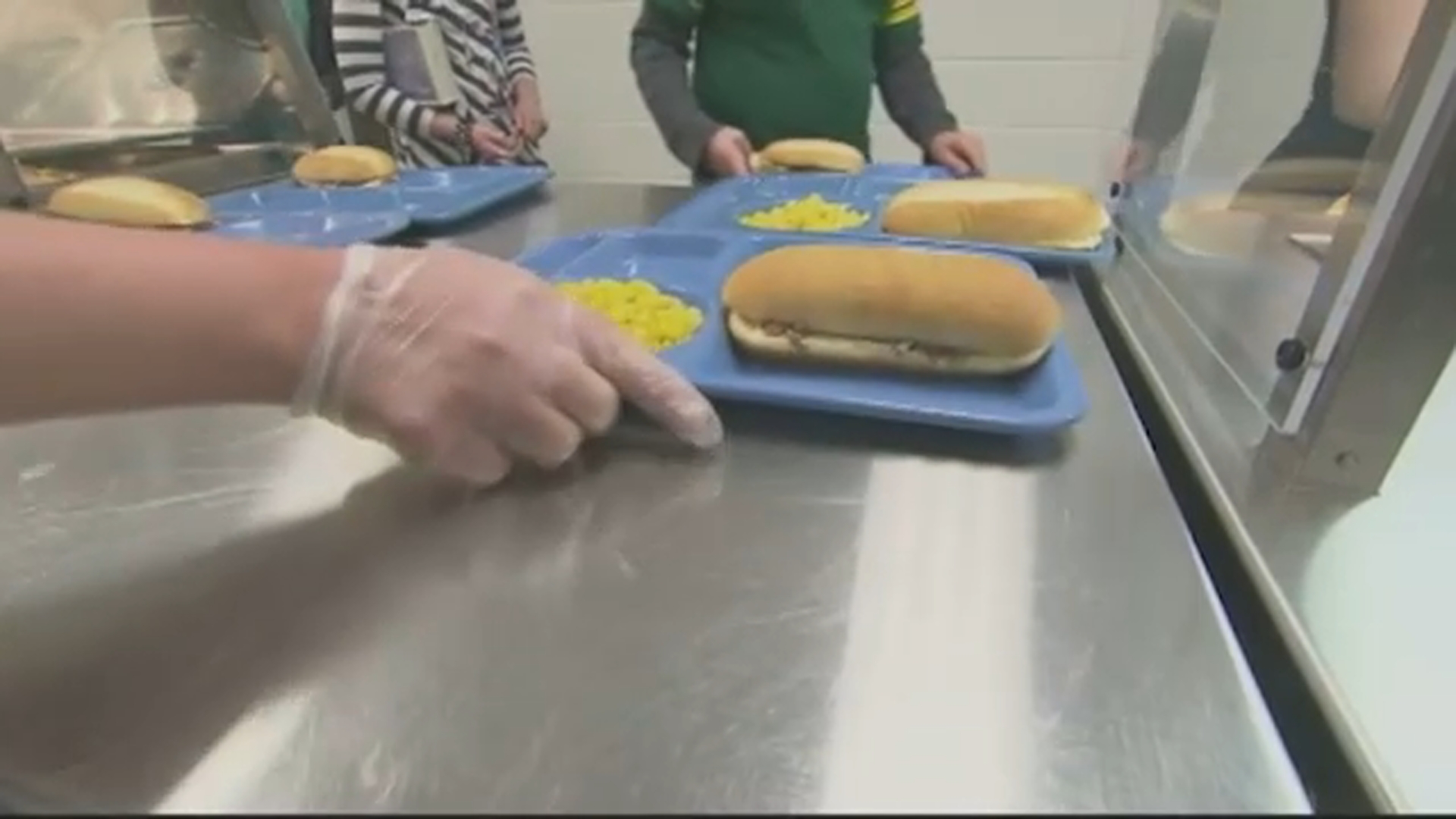
Stein's education plan also includes funding for school resource officers, health personnel, safety grants, facility repairs and universal school breakfast at no cost. Howell said education investment carries broader economic implications.
"K-12 education is a top employer in many, many of our counties in this state," Howell said. "This is a real impact workforce-wise as well."
Previous House and Senate proposals each called for respective pay raises; the House version included an average increase of 8.7% with starting salaries of $50,000, while the Senate version called for a 3.3% increase.
"Based on what's going on with our discussion on tax policy, we are certainly going to have the revenue to be able to do some of the things we've been trying to do on the House side (in) getting those raises really to all state employees," said Hall.
Despite optimism around some areas, lawmakers remain divided over personal income tax rates. Stein has called for freezing the personal income tax rate at 3.99%, a proposal that has met resistance in both chambers.
"If we go through the pre-programmed tax breaks that mostly benefit wealthy folks, we will be undermining a critical element of what make North Carolina so special. I am calling on the General Assembly to look at the current realities we live in and hit pause on these outdated pre-programmed tax breaks. And if we don't, we will face an imminent shortfall in our budget of $5 billion," said Stein.
House and Senate leaders continue to disagree on the pace of future tax cuts tied to revenue triggers.
"The key issues on the budget debate thus far really revolve around tax policy," said Hall. "On the House side, we want to continue through that same policy that we've done for 15 years, the gradual reduction in rates. The Senate wanted to go a bit faster."
"We made a promise to the voters in North Carolina and to the taxpayers of North Carolina that if we hit certain targets, we're going to reduce taxes. We're projected to hit the revenue target that gets us from 3.99% to 3.49%. I don't think we should go back on that. Right now, the projection is that we may also hit the target at 2.99%. I think we've got to keep those promises. Whether or not it needs to be on the same pathway, I think that's subject to discussion," said Berger, who dismissed the projected shortfall cited by Governor Stein.
Hall said he expects the short session to run through early July.
WATCH | Gov. Stein's full news conference