'Perfect storm' leads to rising food insecurity across North Carolina


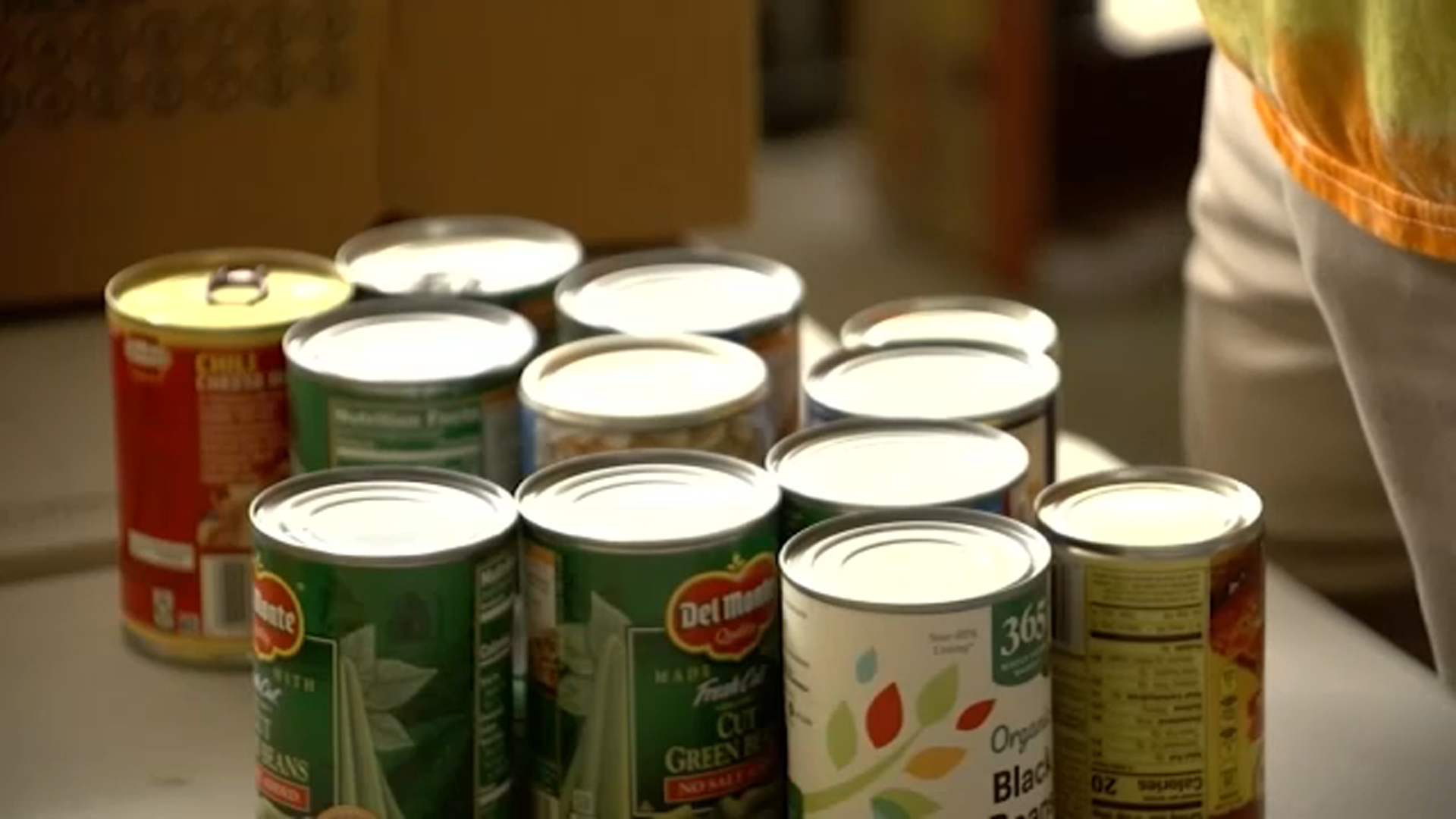
RALEIGH, N.C. (WTVD) -- Rising prices, federal funding cuts and increased demand are straining food banks and pantries across central North Carolina, leaving providers warning that food insecurity is deepening for families throughout the Triangle.
"Over the course of the last year, we've really hit a perfect storm in the worst possible way," said Jason Kanawati Stephany, vice president of the Food Bank of Central and Eastern North Carolina.
Stephany explained that many of the pressure points affecting households have also hit the food bank, making it increasingly expensive for the agency to purchase food, weakening its buying power.
"When the cost of fuel rises, the cost of utilities rise, the cost of shipment and storage rises, that hits us as well," Stephany said. "It makes it much more expensive for us to purchase the food that we purchase. Even though we can, for every dollar someone donates, provide three meals worth of food, that number keeps ticking down and down and down. Just a year ago, we were at $1 providing five meals' worth of food."
Compared to last year, we've had over 100% increase in applications and people in the Cary (and) Morrisville area that are visiting our pantry.- Ben Levesque, food security program manager for NeighborUp Cary
According to the U.S. Department of Agriculture, 1 in 7 North Carolinians live in a food-insecure household, including 1 in 5 children.
Local pantries say the surge in need is already visible on the ground.
"Compared to last year, we've had over 100% increase in applications and people in the Cary (and) Morrisville area that are visiting our pantry," said Ben Levesque, food security program manager for NeighborUp Cary.
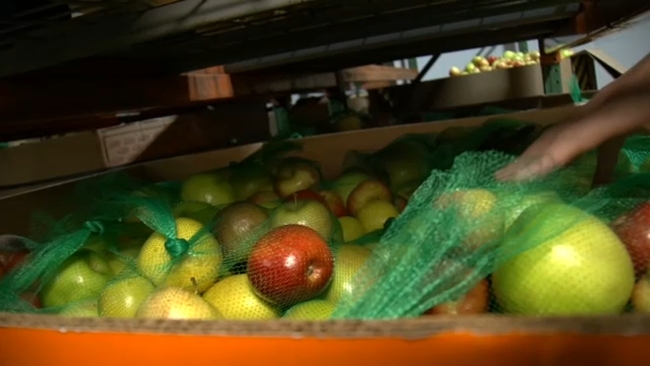
Levesque took part in the Stamp Out Hunger initiative during the weekend, working with volunteers to sort through thousands of pounds of donated goods.
"We have a small pantry, so we're always restocking. We're always getting food in, getting it out immediately. The more we get from the public, the more we're able to offer our families that come and shop in our pantry. And that's really important to us to have the consistent contributions from the neighbors," said Levesque.
Federal funding reductions, including cuts affecting the Supplemental Nutrition Assistance Program (SNAP), have also contributed to rising food insecurity. According to the Center on Budget and Policy Priorities, more than 1.4 million North Carolinians used SNAP during the 2024 fiscal year. About two-thirds of recipients included families with children, more than one-third included an older adult or a person with a disability, and just less than half were considered working families.
Food banks say the summer months bring additional challenges, as students lose access to school meals.
"Hunger is actually at its highest during those summer months when school meals are no longer available," Stephany said. "Families are having to come up with 10 meals per week per child in many cases that they had access to during the school year."
The state has secured funding to continue the SUN Bucks program this summer, which providers view as a critical resource for children while school is out. Still, food banks say the broader need remains significant. In addition to donations, organizations are urging residents to consider volunteering.
"Volunteers are the lifeblood of hunger relief organizations like ours," Stephany said. "We have over 160,000 volunteer hours committed every year. Just to put that in context, that's over 80 full-time employees."
Food providers say community support will remain essential as they work to keep shelves stocked and families fed amid ongoing economic pressures.