Siblings tackle racial disparities in bone marrow donations with North Carolina nonprofit


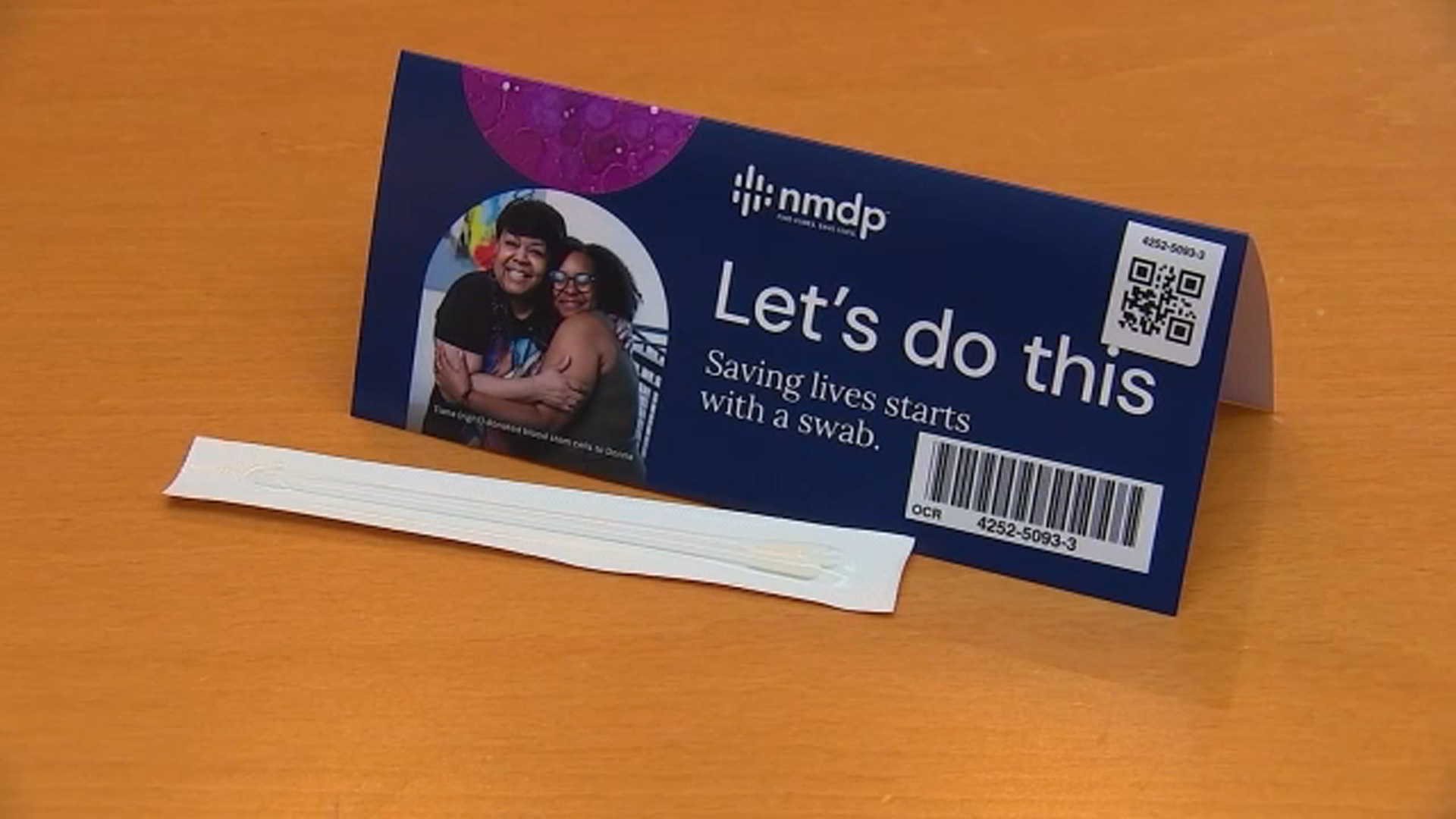
RALEIGH, N.C. (WTVD) -- A brother and sister team, Gokul Kesav and Shruti Kesav, established a nonprofit organization in North Carolina to tackle racial disparities in bone marrow and stem cell donations.
Every three to four minutes, someone in the U.S. is diagnosed with a blood cancer, and for many, a blood stem cell transplant is their best hope for survival. However, finding unrelated donors is challenging, especially for minorities.
MedAwareNC is addressing this issue.
"This is a huge issue. and it's extremely alarming because this should really not be the case. It should be much more equal than this," Gokul said.
The cause is personal -- a 10-year-old neighbor, an Asian American, struggled to find a donor while battling a rare blood cancer.
According to the National Marrow Donor Program, Asian patients have a 47% chance of finding a match, Black patients 29%, and white patients 79%.
"It was extremely tough to see her situation because she was at such a young age and facing a life-threatening disease," Gokul said.
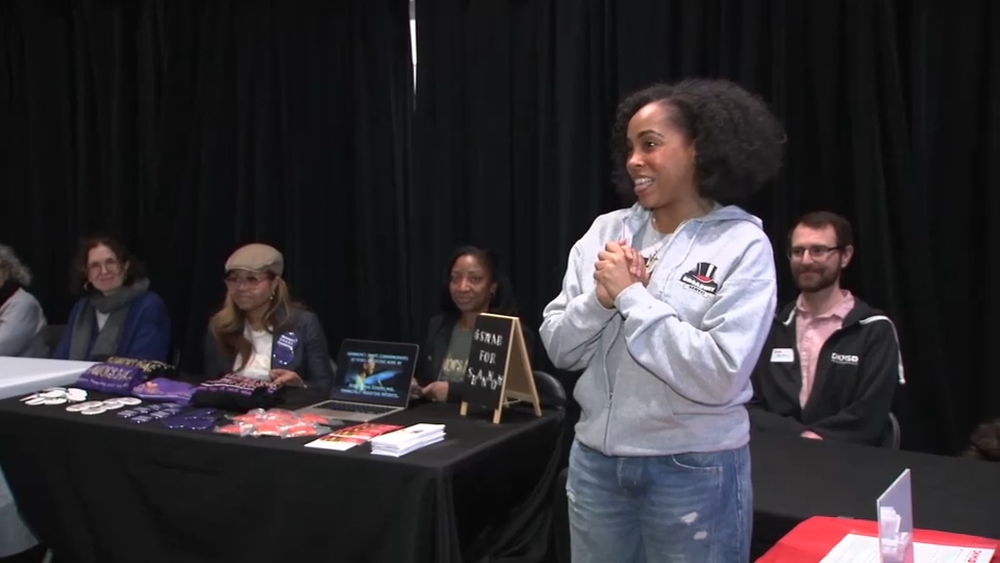
The siblings, with volunteers, organized donor drives, created awareness materials, and spoke at conferences. They partnered with the National Marrow Donor Program (NMDP) to host drives in Wake County and beyond, resulting in the second-largest drive for one person in NMDP history.
Initially, recruiting donors was difficult.
"Many people were a bit reluctant to do it," Shruti said. "After we found the first (donor) and gained valuable experience through things like swabbing people and everything, many people started to like turn up."
Their efforts paid off -- their neighbor found a match after nearly a year and is now recovering post-transplant.
The need for diverse donors persists, as patients are more likely to match with someone of their ethnic background. According to the National Marrow Donor Program, donors and patients are matched largely based on genes called Human Leukocyte Antigens (HLAs). HLA is inherited and that's why a patient's ethnic background is important in predicting the likelihood of finding a match.
"If diverse donors, for example, if an Asian is getting a transplant, they say, like same ethnic groups, the chance of getting matched is very high, when compared to you just one group of people as donors," said Dr. Prasanna Tadi with Bon Secours Clinic in Virginia.
Dr. Tadi clarified that most transplants are as simple as a blood donation, with 90% involving stem cells from peripheral blood.
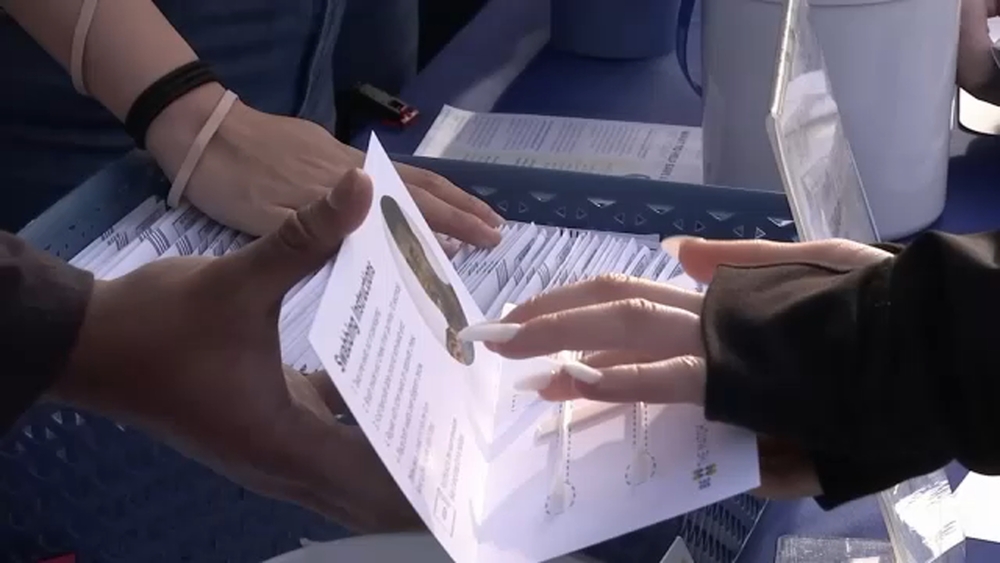
Gokul and Shruti demonstrated the ease of joining the registry -- a 2-minute cheek swab can add someone for over 20 years and potentially save a life.
"It makes us happy knowing they're helping others and improving the chances of survival for their loved ones in the future," Shruti said.
Donors must be aged 18-40, and NMDP covers all donation costs.
To host a swab drive or request a free kit, email medawarenc@gmail.com or text Swab4HopeNC to 61474.