Stein says NC lawmakers 'have failed' as Medicaid cuts loom
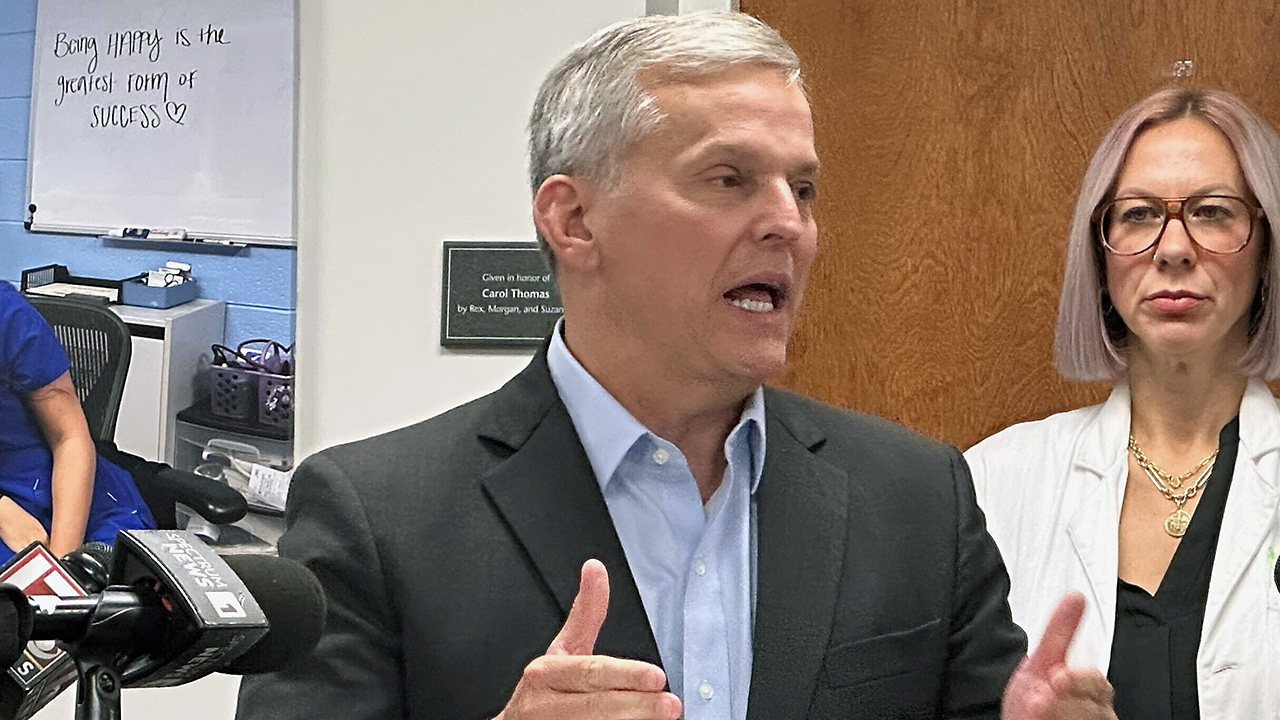

RALEIGH, N.C. (WTVD) -- As state lawmakers remain without a deal on a new Medicaid budget, Gov. Josh Stein delivered pointed remarks Thursday afternoon, accusing state politicians of playing political games instead of coming to an agreement.
The looming cuts coming Oct. 1 have major implications for providers and patients if no deal is reached. Providers wouldn't get the same Medicaid reimbursements they're currently getting, meaning big uncertainty for North Carolina's roughly 3 million Medicaid enrollees.
"This will lead to longer wait times, delayed diagnoses, and worse health outcomes for the patients of our state, especially for those who live in rural communities and who are already marginalized and underserved," Dr. Jenna Beckham said at a health care clinic in Raleigh.
On Thursday, Stein called state lawmakers' inability to come to terms a failure.
ALSO SEE | Triangle mother sounds alarm about Medicaid cuts as deadline looms
"The General Assembly has failed you, but it is not too late for them to step up and do the right thing," Stein said. "I had hoped that the legislature would realize that helping people get the health care they need is more important than grinding their political axes. But so far, they haven't."
State legislators are out of session until October, but Stein urged them to come back to continue negotiating.
"The General Assembly's failure to fully fund the Medicaid program has forced the state to make cuts to this vital program," Stein said. "But it's not too late to come together and protect health care. I have directed DHHS to identify cuts that are reversible so that the moment we receive more funding from the General Assembly, we can work to undo the damage that their inaction has caused. I call on the General Assembly to put our people's health over their political disputes and send me a clean bill that keeps Medicaid running and ensure North Carolinians receive the critical care they need."
Stein's administration has said for several weeks that additional Medicaid funds approved by the General Assembly this summer were still $319 million short of addressing population changes and rising health care costs, and without a fix rate reductions would take effect Oct. 1. GOP lawmakers couldn't agree on a way forward this week as the two chambers failed to agree about spending on two health care projects.
Stay on top of breaking news stories with the ABC11 News App
The broad reductions range from 3% for home health and ambulance services to 10% for hospitals, nursing homes and hospice care.
"They put their political disputes ahead of our people's health," Stein said at Alliance Medical Ministry in Raleigh. "Their disagreements have nothing to do with Medicaid. It's hard for me to express the gravity of their failure."
Republican lawmakers said such unilateral action by Stein was unprecedented so early in the fiscal year, and insist the rate cuts - which could prompt some providers to reduce services or stop seeing Medicaid enrollees - aren't needed.
"The governor has decided with very little notice to threaten not us but the North Carolina residents needing health care with massive cuts that will begin months before they have to," GOP Rep. Grant Campbell of Cabarrus County, a physician, said on the House floor this week.
Stein and Jay Ludlum, a deputy health secretary who leads North Carolina Medicaid, said Thursday that, unlike recent years, no additional federal funds are anticipated to close the shortfall.
House and Senate Republicans this week offered and passed competing bills that increased Medicaid funding another $190 million annually - an amount that Stein said the agency could accept until early 2026. But legislators left Raleigh without a final measure, deepening animosity while a state government budget is also three months late.
The Senate bill included language that also directed $208.5 million in previously received federal money be allocated to help build a standalone children's hospital in Wake County by two university medical schools and for rural health investments. The House version left them out.
Senate Republicans said they and House counterparts had agreed in 2023 to authorize funding for the hospital and rural health initiatives, and project leaders are counting on what is now a third portion of funds, Senate Majority Leader Michael Lee told colleagues. But House Republicans now have second thoughts about both projects and said they should be discussed within broader budget negotiations.
House Speaker Destin Hall said there are already several children's hospitals in the state, and some colleagues have asked, "Why would we give hundreds of millions of dollars to a new hospital in Wake County that's doing pretty good economically?" Senate leader Phil Berger said the House is to blame for threatening Medicaid services because they aren't sticking to its previous decisions on the hospital and rural health care projects.
The Associated Press contributed.