Tick bites reach 10-year high in the southeast. Here's how to protect yourself outdoors in NC


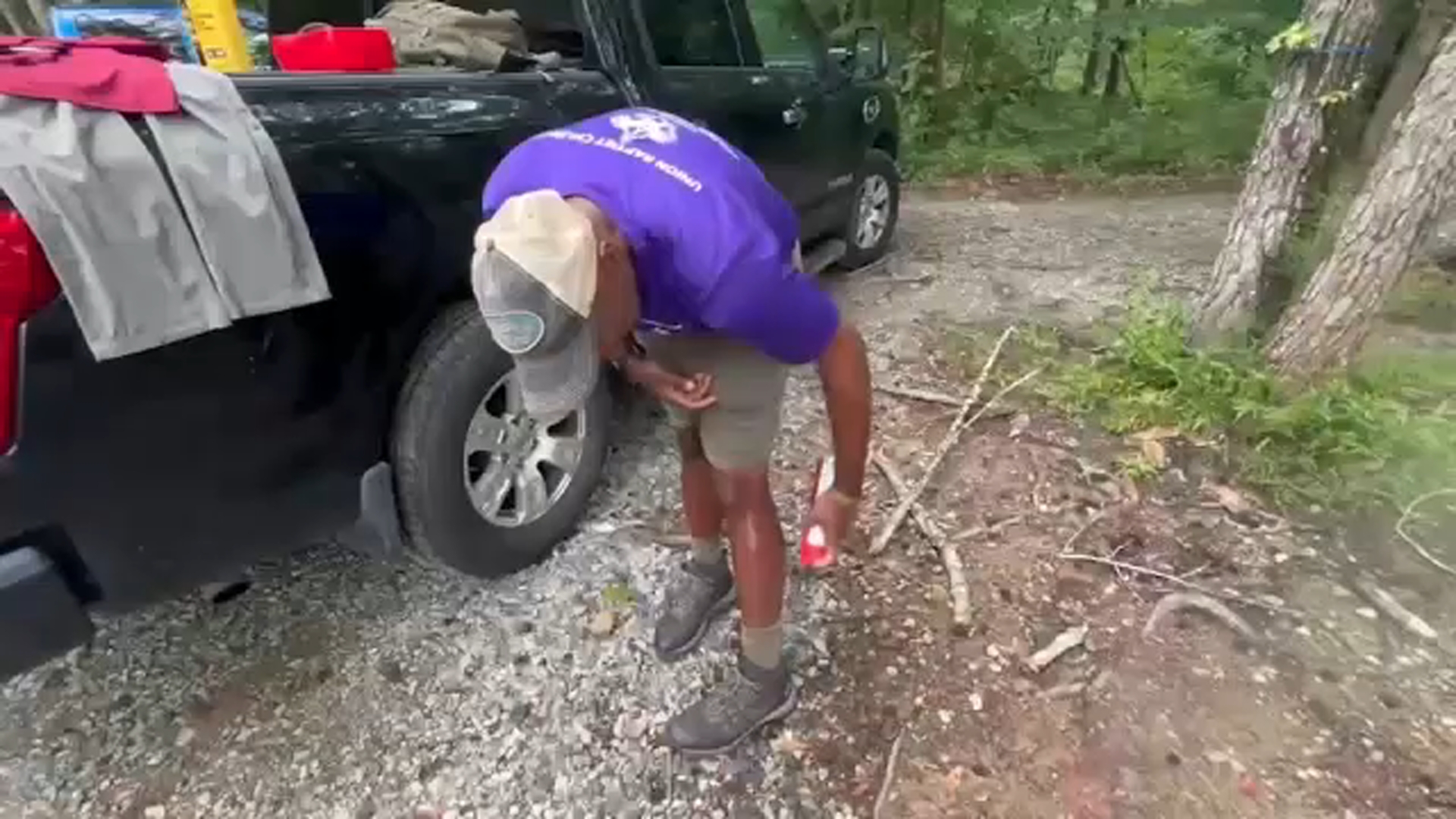
DURHAM, N.C (WTVD) -- Many hikers and campers enjoy spending time at Eno River State Park, but with tick bites on the rise across the Southeast, experts say a few simple precautions can help prevent serious illness.
As one of the leaders of Durham's Boy Scout Troop 411, J.C. Kearney never heads into the woods unprepared.
"Treat your top, bottom, socks, shoes and hat with permethrin," Kearney said. "Once it dries and you put your clothes on, treat exposed skin with Repel or OFF!"
The troop recently returned from a summer camping trip. Kearney's son, James, shares his father's love of the outdoors.
"I like camping a lot," James said. "Camping is one of the few things I feel like I can relax outside."
The father and son were scouting potential locations for their next outing at Eno River State Park when they shared why tick prevention is a priority.
"I've been bitten before as a child and even 15 years ago," Kearney said.
According to the Centers for Disease Control and Prevention (CDC), Lyme disease and other tick-borne illnesses are increasing, with emergency department visits for tick bites across the Southeast reaching their highest level in the past decade.
Inside the arms, behind the knees, behind the ears and on the scalp are common areas where ticks can be found.Dr. Ganga Moorthy, Duke Health
Health experts recommend wearing long sleeves, long pants and a hat while outdoors. They also advise checking for ticks as soon as possible after coming inside, especially after showering.



"Think about places they like to hide," said Duke Health's Dr. Ganga Moorthy. "Inside the arms, behind the knees, behind the ears and on the scalp are common areas where ticks can be found."
Doctors at Duke Health treat patients for tick bites every year and say several tick-borne illnesses are common in North Carolina.
"The diseases we see most commonly in North Carolina are Rocky Mountain spotted fever, Lyme disease, ehrlichiosis, anaplasmosis and STARI," she said. "All of them can be treated with antibiotics."
That's why Kearney never hits the trail without a backpack stocked with tick prevention essentials.
"Don't let the numbers prevent you from going outside or having fun outside," he said. "Just take the necessary precautions so you can enjoy yourself while you're outside."
Experts say if you find a tick attached to your body, remove it as soon as possible. They also recommend contacting a doctor if you develop symptoms such as fever, unusual fatigue, headaches, joint or muscle aches, or a bull's-eye rash.
Health officials say early treatment is key to preventing more serious complications from tick-borne diseases.
Download the ABC11 App for breaking news and weather alerts