Homeowners, gardeners adjust to water limits from drought as they start planting, lawn care


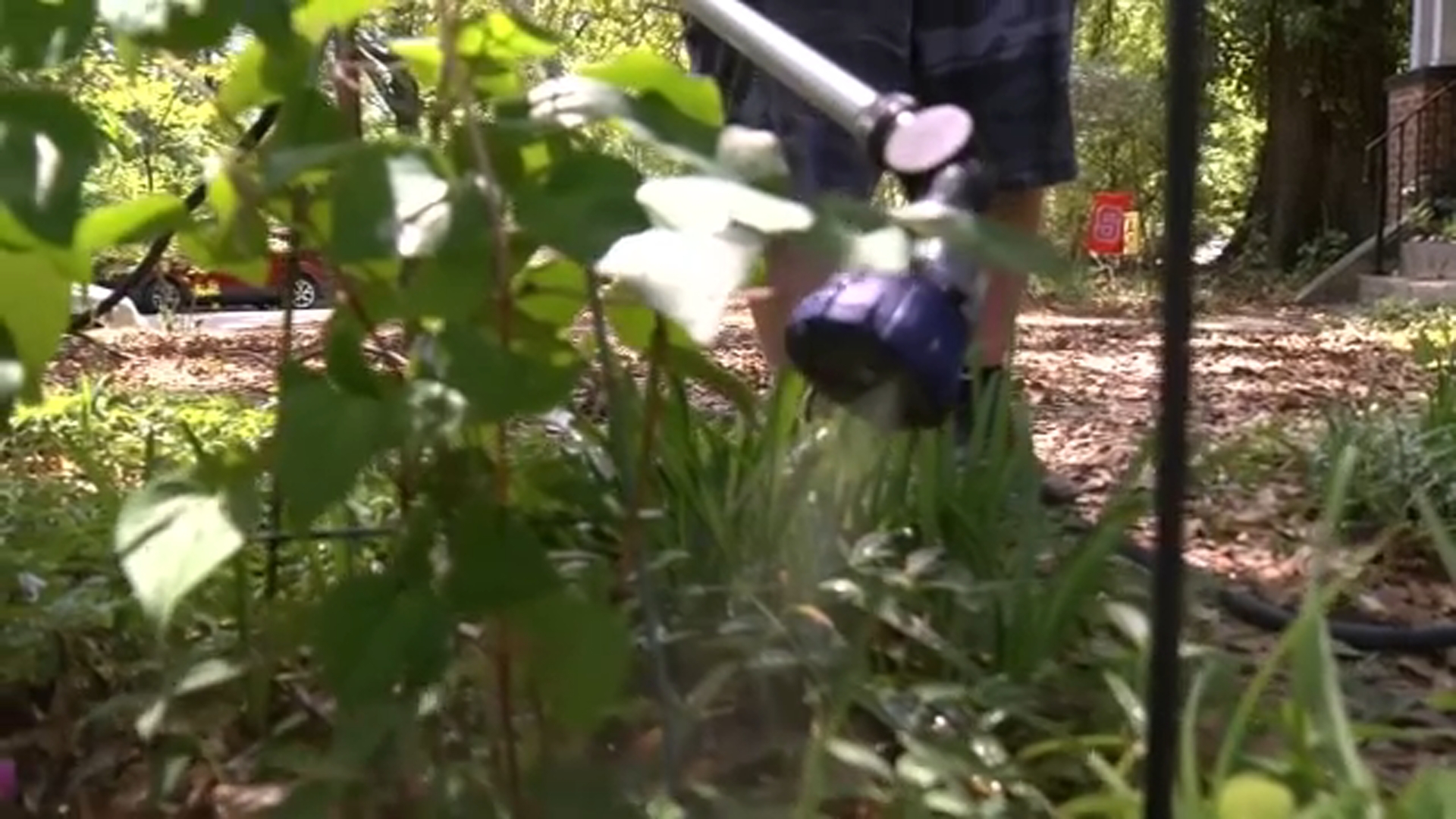
RALEIGH, N.C. (WTVD) -- Homeowners, nurseries and public gardens across Wake County are changing how they care for plants as new water conservation restrictions begin Monday amid worsening drought conditions.
The limits affect more than 600,000 people and restrict outdoor irrigation as spring planting gets underway.
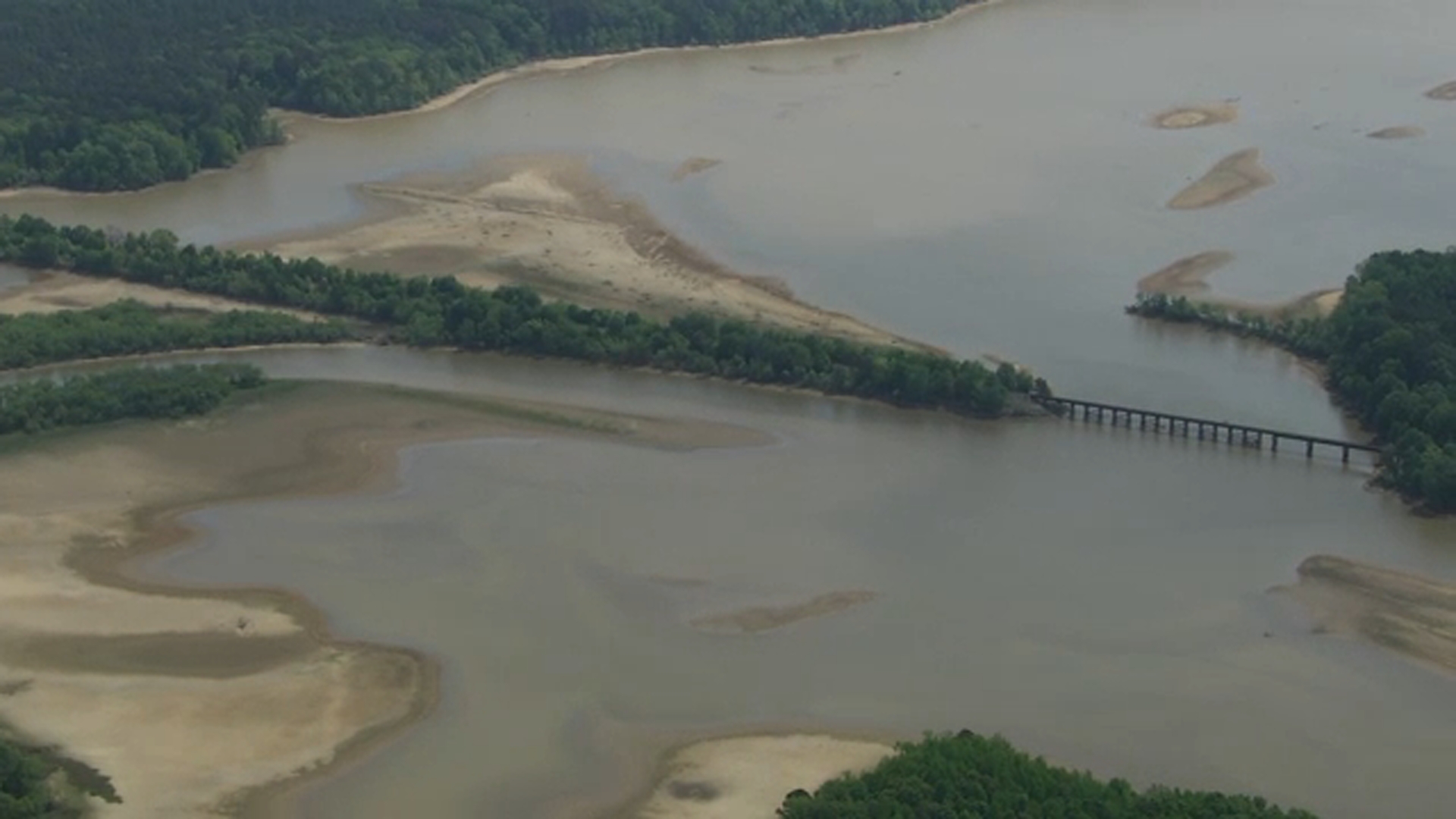
Falls Lake has dropped more than 2.5 feet, prompting officials to curb water use just as residents begin spending more time outdoors tending lawns and gardens. Both individual gardeners and large-scale operators say the timing has forced significant adjustments.
"Hope and we're praying for rain!" Raleigh homeowner Chuck Dopler said.
April has brought little rainfall so far, leaving many gardeners concerned about early-season plant growth.
"Especially because it's early in the season, usually April and May, everything's fine. And even in June, July in August are pretty tough. It's only April and it's already out doing that," Dopler said.
At the J.C. Ralston Arboretum at North Carolina State University, staff say the drought has raised concerns about protecting both new plantings and long-established trees. The arboretum has implemented stricter water conservation practices across its grounds.
"It makes us very nervous and shaky. We have a lot of legacy plants like the oaks behind us that are mature and had some health issues," said Greg Paige, the arboretum's horticulture director.
Staff say they have always managed water carefully, but the worsening drought has pushed them to be even more conservative. Adjustments include changing when irrigation happens and reducing evaporation.

"We try to water at a time of the day when things aren't going to evaporate, and then there's cultural things that we can do to plants," Paige said.
Experts say some professional practices can be replicated by homeowners adjusting to the restrictions. Paige said certain routine gardening habits can increase water demand during drought conditions.
"People like to fertilize and what does fertilization do? That increases growth. So we tell people not to fertilize during droughts," Paige said.
SEE ALSO | Drought worsens in central, NC farmers and rural communities feeling strained
Paige also encourages gardeners to rethink seasonal planting schedules while conditions remain dry.
"You might want to wait until the fall to do that instead of that instead of the spring. If you do plant something, just keep a closer eye on that and do some of those cultural things like mulching, hand watering," he said.
Dopler said he has adjusted his own routine by hand-watering plants and monitoring them more closely. He says attention to detail matters now more than ever.
"Pay attention to, especially after new plants. You got to plan them correctly, but then you got to keep them watered early on and then understand what their watering needs are. Don't over water, but then make sure they get enough water," he said.
Experts also recommend weeding often to reduce competition for water and allowing grass to go dormant during dry periods. Water officials say the restrictions, focused primarily on outdoor use, will remain in place until conditions improve.