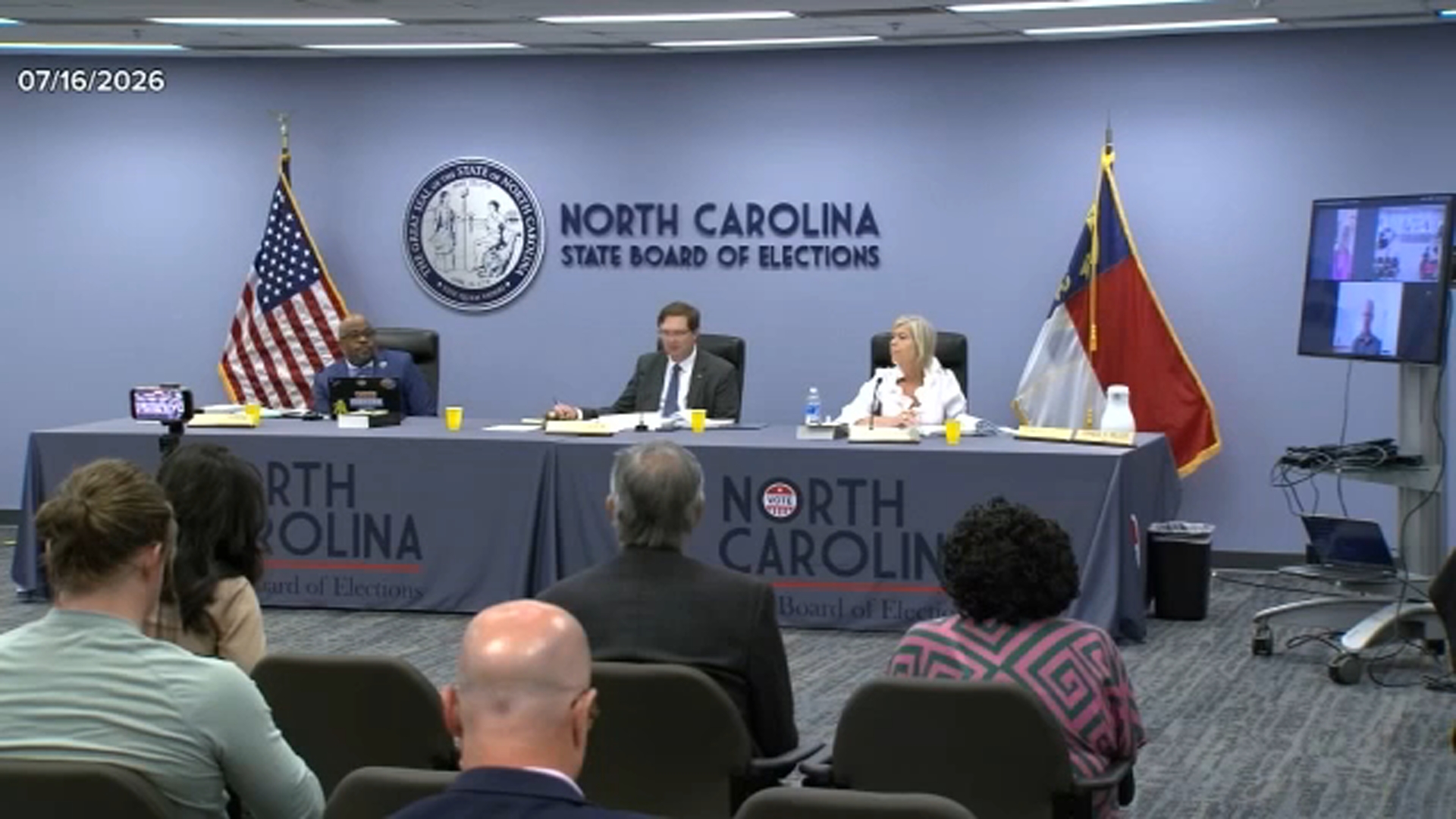
The votes are in, and after what the North Carolina State Board of Elections called "one of the smoothest Election Days in recent history," post-Election Day work is underway.
There were no major disruptions, equipment problems, or administrative issues reported across the state's 100 counties, the NCBOE said Wednesday.
"Last night's elections were a clear success for North Carolina," said Sam Hayes, Executive Director of the State Board of Elections. "Most importantly, there were no major controversies or problems with election administration, and that's exactly how it should be. I want to extend my sincere thanks to all 100 county election directors, their dedicated staff, and the thousands of poll workers who worked tirelessly to ensure a smooth and secure process. While the results of some races are yet to be determined and may generate debate, the administration of the election itself was professional, efficient, and free from disruption. That's a testament to the hard work and integrity of our election officials across the state."
What's Next?
There is more work to do, and more ballots to count. No election ends on Election Day. This is by design - by state and federal law - to ensure that election results are accurate and that all ballots cast lawfully by eligible voters are counted, the NCBOE said.
.
Election Day results are unofficial, and there will be changes to the count in various contests across the state during the next 10 days, leading up to the county canvass on March 13.
Contests may also go through a recount process as part of the canvass or afterward. All post-election processes necessarily result in changes to the unofficial results announced on election night, with eligible ballots being added and ineligible ballots being removed from the vote totals. This is the normal canvass process during every election, though typically these processes do not change the outcome, the NCBOE said.
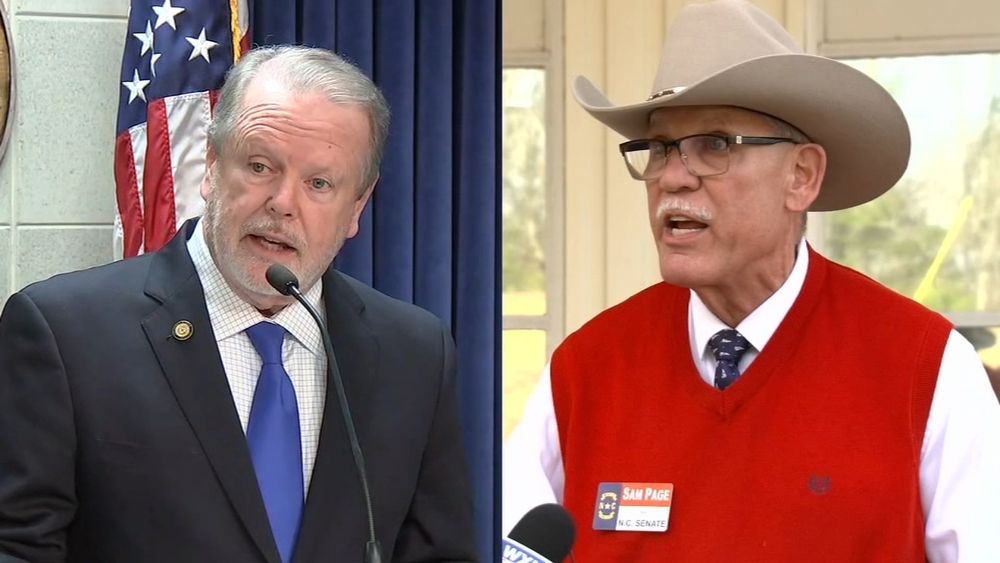
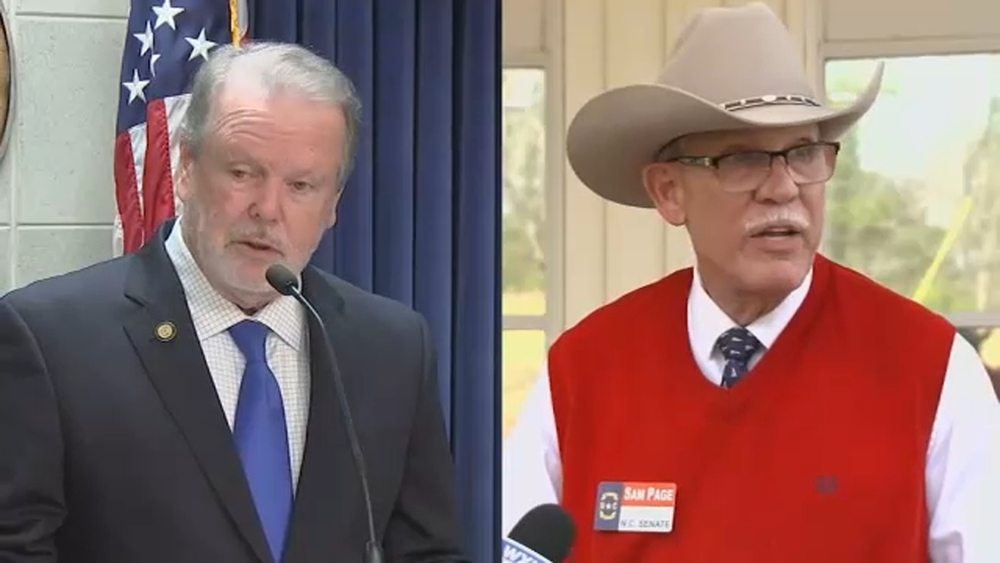
This process is particularly important for very close races such as the Republican Party primary contest for Senate District 26, where Rockingham County Sheriff Sam Page leads incumbent Phil Berger, the Senate Leader, by just two votes out of more than 26,000 votes cast.
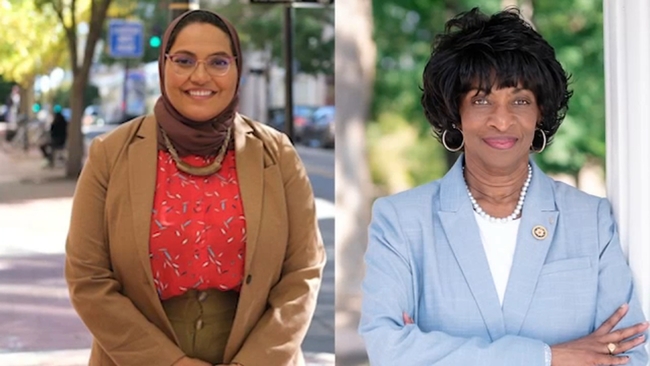
The close Democratic primary race in Congressional District 4 between incumbent Valerie Foushee and Nida Allam could also be affected.
The following ballots still must be counted and may result in votes being added to the count:
- Provisional Ballots: Provisional ballots will be counted on Friday, March 6. County boards must research all provisional ballots to determine voter eligibility and count the ballots of eligible voters. These include ballots cast by voters who didn't show an acceptable photo ID at the polls and either completed a Photo ID Exception Form or returned after voting to show their ID to their county board of elections. Provisional ballots also include ballots cast by Registration Repair voters and voters who vote in the wrong precinct or who otherwise do not appear in the official pollbook at their voting site. County boards of elections will add any eligible ballots from these categories to the results during the post-election canvass period.
- Absentee-by-mail ballots that require a cure: All remaining absentee-by-mail ballots that have a curable deficiency will be counted on Friday, March 6, as long as the voter's cure document is received by 12 p.m. (noon) that day. Curable deficiencies can include when a voter did not sign their ballot application or signed it in the wrong place, or there is an issue with the photo ID documentation included with their ballot application.
- Mailed Military and Overseas Ballots Received After Election Day: Ballots cast by military and overseas voters that are cast by Election Day and arrive at county board of elections offices by 5 p.m. on March 12 will be counted by the county canvass on March 13. All county boards will conduct meetings between now and next Friday to consider these absentee ballots and add ballots that meet all statutory requirements to the results. The specific days such meetings take place will vary by county. County boards will notice these meetings, which are open to the public. There is no way to know exactly how many ballots may be en route to county boards of elections offices from military and overseas citizen voters.
Ways that votes may be removed from the count:
- Challenges to Absentee Ballots Filed by Voters: The county boards will consider timely-filed challenges to certain ballots at the canvass on March 13. Challenges to absentee ballots must be filed by voters by 5 p.m. on March 10. If a challenge to a ballot is successful, then votes in contests the voter is not eligible to vote in are deducted from the count at canvass.
- Administrative Challenges to Absentee and Early Voting Ballots: County boards may file administrative challenges to absentee or early voting ballots in response to the State Board's voter eligibility audit. This audit provides the county boards with comprehensive data on absentee and early voters who became ineligible after voting their ballot. (For example, a voter who voted absentee and then died or was convicted of a felony before Election Day.) If a challenge to a ballot is upheld, then votes in contests the voter is not eligible to vote in are deducted from the count at canvass.
All county boards will conduct public meetings between now and the county canvass meeting on March 13 to consider remaining ballots and add ballots that meet all statutory requirements to the results. These meetings are open to the public. Each county will have at least one meeting on the afternoon of Friday, March 6, to count provisional ballots and cured absentee ballots. Times will vary by county, and voters interested in attending should check their county board's website or contact their county board of elections.
Hand Count Audit
Under state law, every county must conduct a sample hand count of ballots in two randomly selected precincts, early voting sites, or all absentee ballots cast in the county to confirm results tabulated by machine, after every election. These audits must be conducted in public, by bipartisan teams of counters. Results of the hand count are compared to the results as tabulated by voting machines to ensure accuracy, and any discrepancies, which are typically very few, are accounted for.
County Canvass
These post-election processes culminate in the certification of results by the county boards of elections. County boards are required to hold their canvass meetings at 11 a.m. on March 13. They are open to the public. County boards will review election records for accuracy and certify contests and referenda within the county boundaries. For contests in the jurisdiction of the State Board, the county boards will authenticate the count of the contests, and the State Board will certify the contests at the state canvass, scheduled for March 25.
Recounts
There are two situations when a county board may conduct a recount of a contest. First, a county board can conduct a discretionary recount if the county board determines it is needed to complete the canvass in the election. Second, after the county boards have certified results, a candidate who did not win can demand a recount under the following scenarios:
- For a statewide ballot item, the difference between the winning candidate and the candidate demanding the recount is of 1% (0.5%) of the votes cast in the ballot item, or 10,000 votes, whichever is less.
- For a non-statewide ballot item, the difference between the winning candidate and the candidate demanding the recount is 1% or less of the total votes cast in the contest.
Any mandatory recounts would be conducted by county boards after the county canvass and should be completed before the state canvass on March 25.
For contests under the jurisdiction of county boards of elections, a demand for recount must be made in writing to the county board of elections by 5 p.m. Monday, March 16. In contests under the jurisdiction of the State Board of Elections, including multi-county state legislative districts like the Senate District 26 contest, the recount demand must be in writing and received by the State Board of Elections no later than noon on Tuesday, March 17. If a recount is demanded in such a contest, the State Board of Elections would issue a schedule and directions to the counties. The counties would then conduct recounts individually during open meetings.
In the recount, all ballots that were originally counted will be recounted by machine. There may also be a second recount where a sample of precincts will be subject to a hand-to-eye recount. Depending on the results of that sample hand-to-eye recount, there may be a full hand-to-eye recount. The machine count is what is used to determine the outcome of the contest, unless there is eventually a full hand-to-eye recount that reveals material differences in the count.
Ballot Security
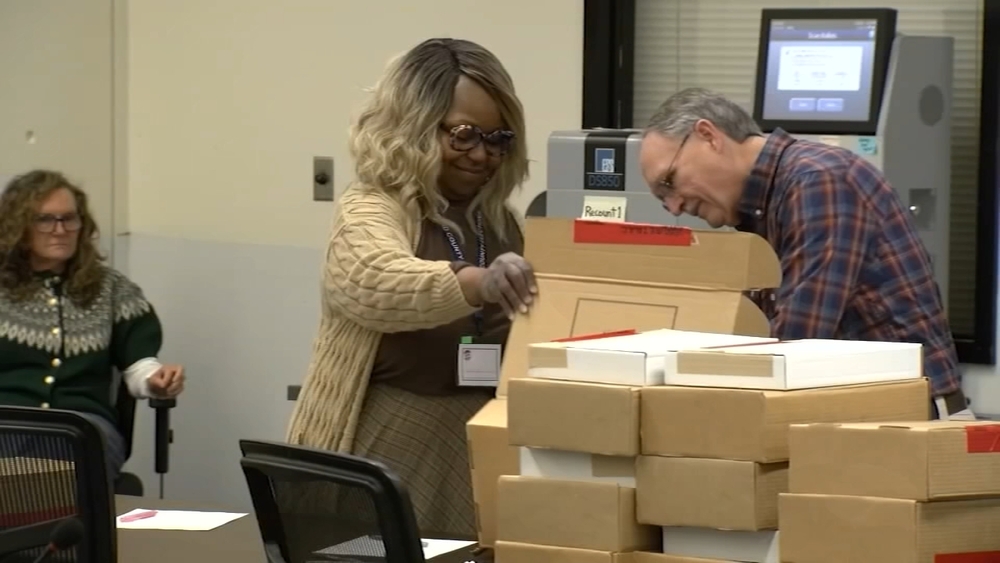
County boards of elections take ballot security very seriously after an election. Only authorized election officials and staff in the performance of their duties can lawfully access voted ballots. County boards take measures to ensure the security of the ballots, which include storing them in secure facilities, limiting access to the secure facility to those with a badge, key code, or key, and keeping track of anyone who has access to the ballots. Additionally, ballots in secure facilities are stored in a protected manner, including in sealed boxes. These measures provide additional security and make it known if someone attempts to access the ballots.