Doctors implore caution as flu cases spike amid heavy holiday travel


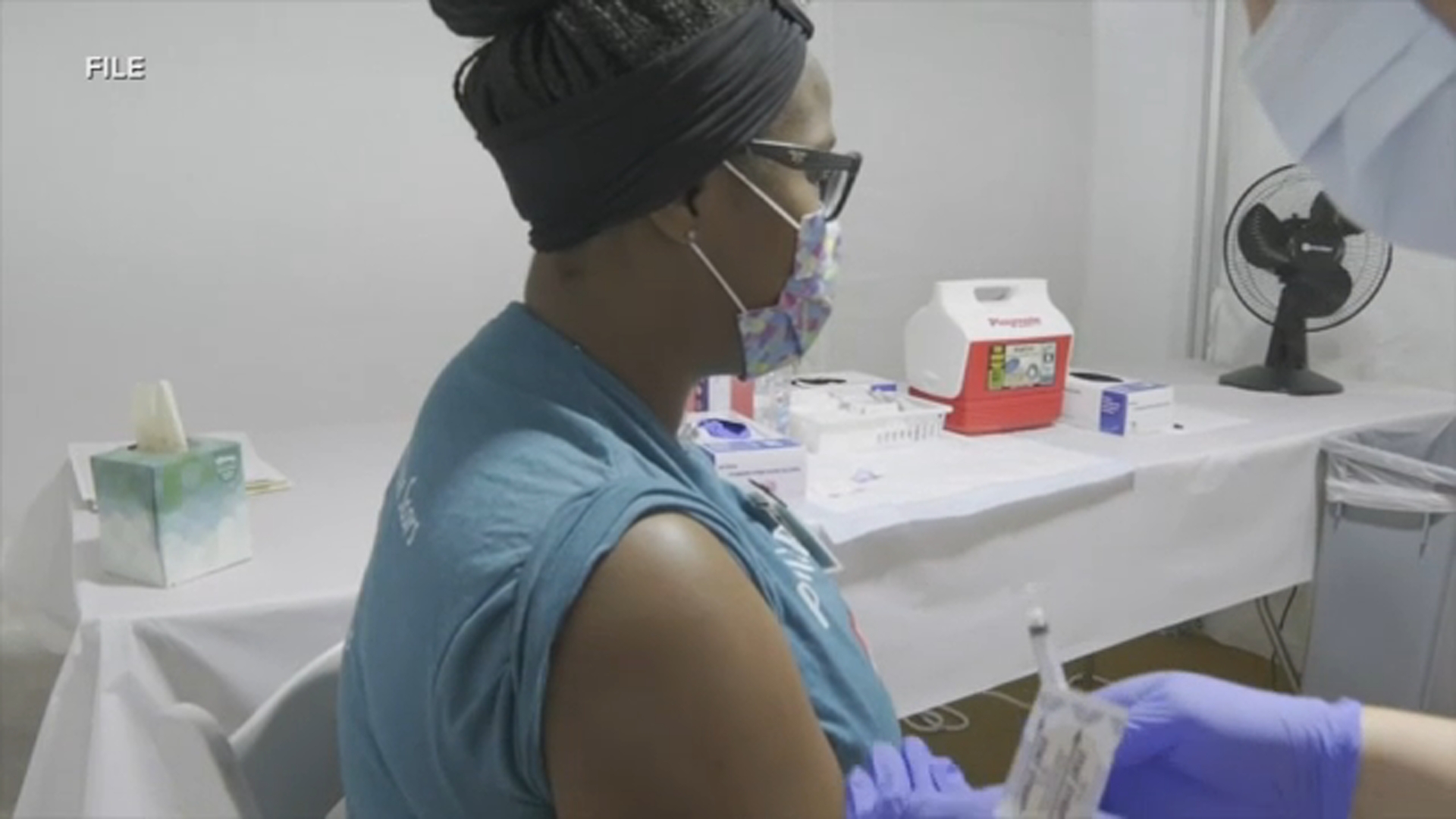
RALEIGH, N.C. (WTVD) -- As holiday travel is underway, doctors are urging people to take cautions as flu cases are on the rise.
According to CDC estimates, there have been at least 4.6 million illnesses nationally thus far, including 49,000 hospitalizations and 1,900 deaths.
"We've seen a dramatic rise in the last two weeks, three weeks of the current season. We're about halfway to the peak of what we had in previous seasons at UNC (Health)," said Dr. David Weber, the Medical Director at the Department of Infection Prevention at UNC Medical Center.
NCDHHS reported 480 hospitalizations from the flu last week, representing the ninth straight week of increases. Further, flu-like illness accounted for 5% of all emergency department admissions, a figure which is also increasing.
Doctors attribute much of the uptick to a variant called subclade K, which the current flu vaccine is not as effective against. However, they are still recommending people get vaccinated.
"It's better at preventing death than it is at preventing hospitalization, better preventing hospitalization than illness, so it can ameliorate things," Weber said.
"The vaccine is helpful, even though we have a little unexpected drift in the predominant strain. And remember, you can get the flu more than once in a season because there's multiple strains circulating around and the vaccine is a good match for the other two strains that are in the vaccine," added Jeb Teichman, who formerly worked as a pediatrician.
Teichman now volunteers with Families Fighting Flu, an advocacy group that highlights the dangers of the virus.
"One of the key signs that it's time to seek medical attention when you've got the flu is that things seem to get better. Your fever seems to go away, and a day or two later, you're sicker than you were before. That's a huge red flag," Teichman explained.
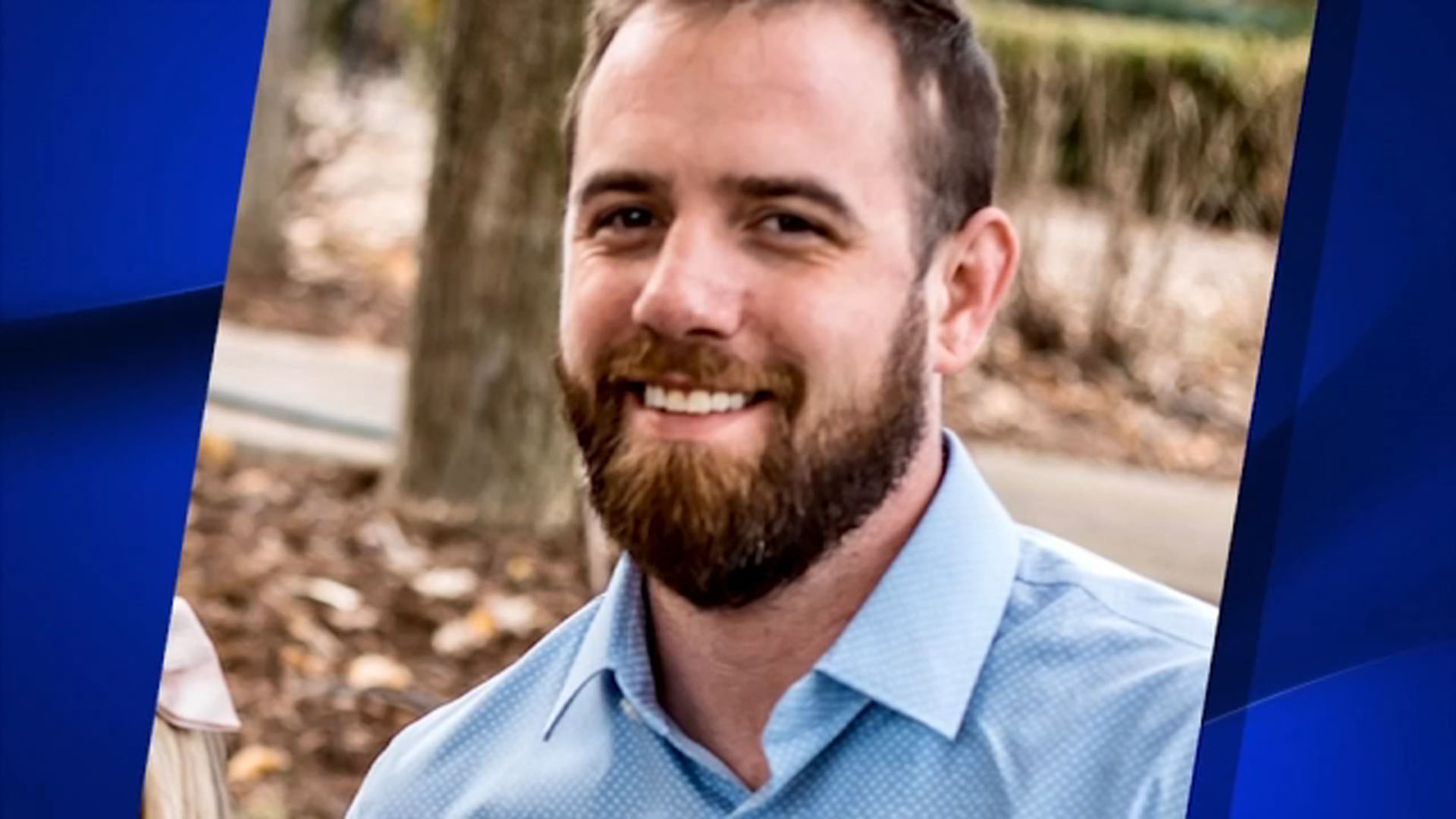
In 2019, Teichman's son, 29-year-old Brent, died of the flu.
"We reminded Brent a couple of weeks before his passing that he needed to get his flu shot, and he said he had it on his to-do list but never got around to it," said Teichman.
Brent was otherwise healthy and had no high-risk conditions.
"To this day, when I close my eyes at night, I can still hear the beeping of those monitors," Teichman said.
Teichman expressed concern about the effects of vaccine skepticism and misinformation.
"The motto of my practice was that I never wanted to meet a parent whose child was sick and in the pediatric ICU with something I could have prevented with a simple needle," said Teichman, who added that the vaccine takes about two weeks to become fully effective.
Both Teichman and Weber urged those who do become infected to act quickly, noting the effectiveness of treatments.
"You really need to start it within 48 hours. I highly recommend for people older, age, younger or with vulnerabilities. If they start getting sick, they go get tested. You can do home tests or you can go get a PCR test at a health care facility and then start one of the drugs, which are generally for most patients (administered as an) outpatient. It's five days. The therapies are by mouth and quite safe. Obviously, people who are more severely ill need to go to an emergency department, and we would admit the,m and we can give similar medicines either orally or intravenously," said Weber.
Weber also urged those who are traveling in large public settings to wear masks that cover their nose and mouth, and to err on the side of caution if not feeling well.
"Stay home. Don't affect your coworkers, don't affect your loved ones again, particularly if you're going to be around older individuals or very young individuals who would be more vulnerable," said Weber.
Starting Monday, WakeMed has instituted new visitor policies in an effort to reduce the spread of cases.
In a media release, a spokesperson wrote:
To help prevent the spread of illness and prevent any additional illness while patients are in our care, WakeMed's annual visitation restrictions will begin on Monday, December 22.
Every year, respiratory viruses like respiratory syncytial virus (RSV) and influenza arrive in our community. For most people, respiratory illnesses are manageable. However, for premature infants, newborn babies, young children, pregnant women, and people who are immunocompromised, they can cause severe illness or even death. Our number one priority is the health and safety of our patients and staff.
As a result, beginning Monday, December 22, children younger than age 12 will not be allowed to visit patients in WakeMed hospital nursing units, patient care areas and waiting rooms. This also includes WakeMed Healthplex emergency departments and WakeMed Mental Health & Well-Being Hospital - WakeBrook. Similar visitation restrictions will go into effect at Duke and UNC Health facilities.
We truly understand that this annual visitation restriction can be difficult for families, but we are committed to ensuring our patients are safe while they are in our care. Restricting visitation is best clinical practice to prevent the spread of viruses within our facilities.
As always, anyone with symptoms of any acute, contagious illness should not visit WakeMed out of respect for our patients.