New SNAP requirements raise concerns in Durham County



DURHAM, N.C. (WTVD) -- Durham County officials say new requirements under H.R. 1 could place significant financial and administrative burdens on local SNAP operations as county staff work to keep up with growing demand and limited resources.
Inside the Durham County Department of Social Services, employees who administer the Supplemental Nutrition Assistance Program, or SNAP, are already facing staffing challenges, according to Latoya Chambers, assistant director of the Family Economic Independence Division.
"We've seen an influx of people coming in applying for services," Chambers said.
Chambers said the department does not have enough workers to meet current demand.
"We should have about 14 to 15 application workers, I only have nine workers determining eligibility for all residents in Durham County," she said.
County staff are also implementing new policies under H.R. 1. Chambers said the changes include expanded work requirements, changes to noncitizen eligibility, and additional eligibility checks and recertifications.
Another provision of the law will increase costs associated with administering the SNAP program beginning in October 2026. County officials said the federal government's share of those administrative costs will be reduced, leaving states responsible for a larger portion. North Carolina is passing those costs on to counties.
Those costs are estimated at $69 million annually for counties statewide.
"We won't have the funds to do that," Chambers said.
She said concerns extend beyond administrative costs. Beginning in October 2027, states with SNAP payment error rates of 6% or higher will be required to pay a portion of benefit costs.
According to the U.S. Department of Agriculture, payment error rates measure the accuracy of a state's eligibility and benefit determinations and include both underpayments and overpayments. North Carolina's 2025 payment error rate was 7.36%.
MORE: NC lawmaker expresses concern state prepared to handle Medicaid funding cuts, workforce requirements
"If we don't process our cases accurately, then that could mean that we may not have a SNAP program period, because the payment error rate is going to also be attached to the administrative costs," Chambers said.

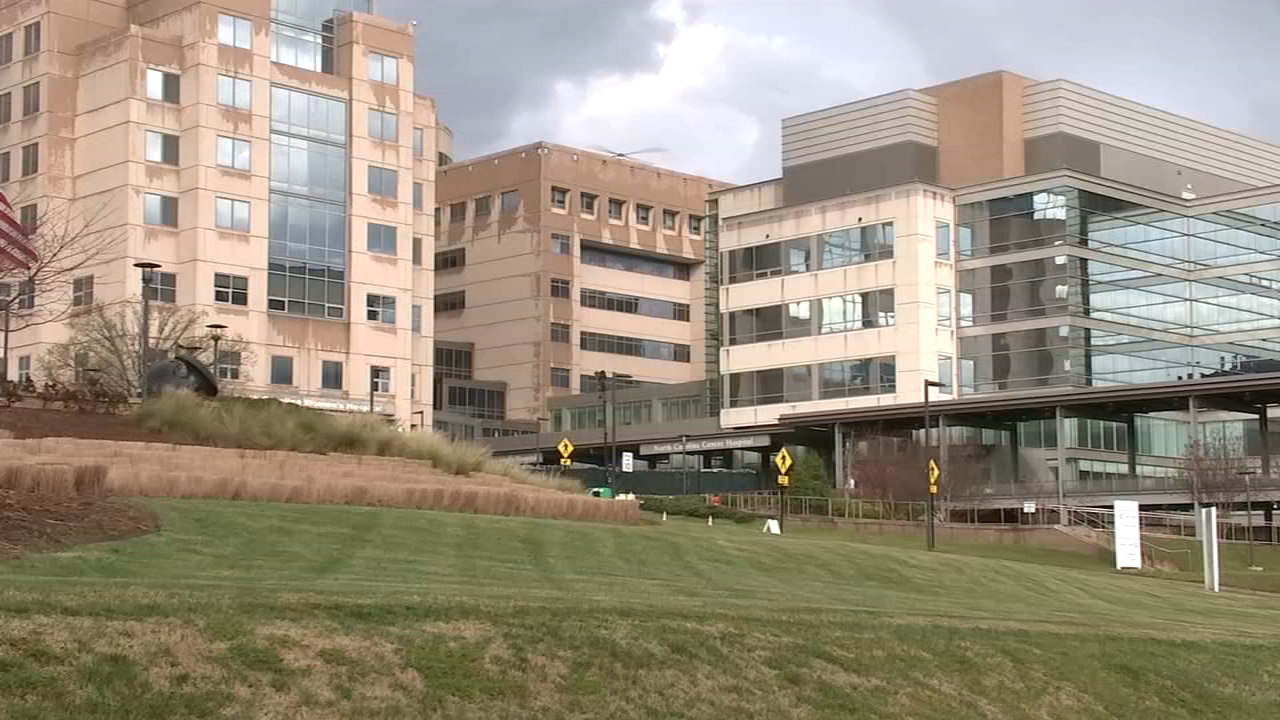

Those concerns were discussed at a community town hall hosted by U.S. Rep. Valerie Foushee, who represents the 4th Congressional District, which includes Durham County.
"It's going to be severely devastating. We know that counties don't have the funding to provide for the number of people who will need that kind of assistance. And so to push the responsibility down to states who are now pushing that responsibility down to the counties, it is not going to work. And Congress needs to act and it needs to provide that funding that we know the states and the counties can not do," Foushee said.
Durham County Commissioner Stephen Valentine also spoke at the event, saying the county cannot absorb the added costs without consequences.
"That will be a tremendous burden on our budget. And so that could lead to what is otherwise a Cadillac provision of services in our community to the loss of potential programs," Valentine said.
"And just to tell you how beneficial SNAP benefits are, upwards of 500,000 children across the state could lose the ability to eat the only meal that they have to survive on each and every day. And so when you bring that home to our county, that means losing benefits that allow families to be fed right here in Durham County," Valentine continued.
Valentine said the county already has limited revenue sources and may face difficult decisions if responsibilities and costs continue shifting to local governments.
"I'm afraid for our community, but we have a very resilient community. And it may be that we go to our residents and have a discussion with them about how we do this together, because, quite frankly, if all these costs shift the way that they're anticipating that they will, it may be that we have to increase property tax. After all, that's only one of the sources of revenue that we have," Valentine said.
State Rep. Zack Hawkins said the North Carolina General Assembly should use available state funds to help counties cover SNAP administrative costs.
"There's almost half a billion dollars or more left that is unspent from the state budget that's sitting in reserves. And when things change, that's when you tap into reserves and unspent resources to make sure that you can meet the basic needs of people across North Carolina," Hawkins said.
"So, the number one thing that the North Carolina General Assembly could do is to retract telling counties that they have to pay their share when we know that most counties cannot," he continued.
County and state officials said additional funding support would help local governments manage the changes while continuing to provide SNAP services to residents who depend on the program.