NC lawmaker expresses concern state prepared to handle Medicaid funding cuts, workforce requirements
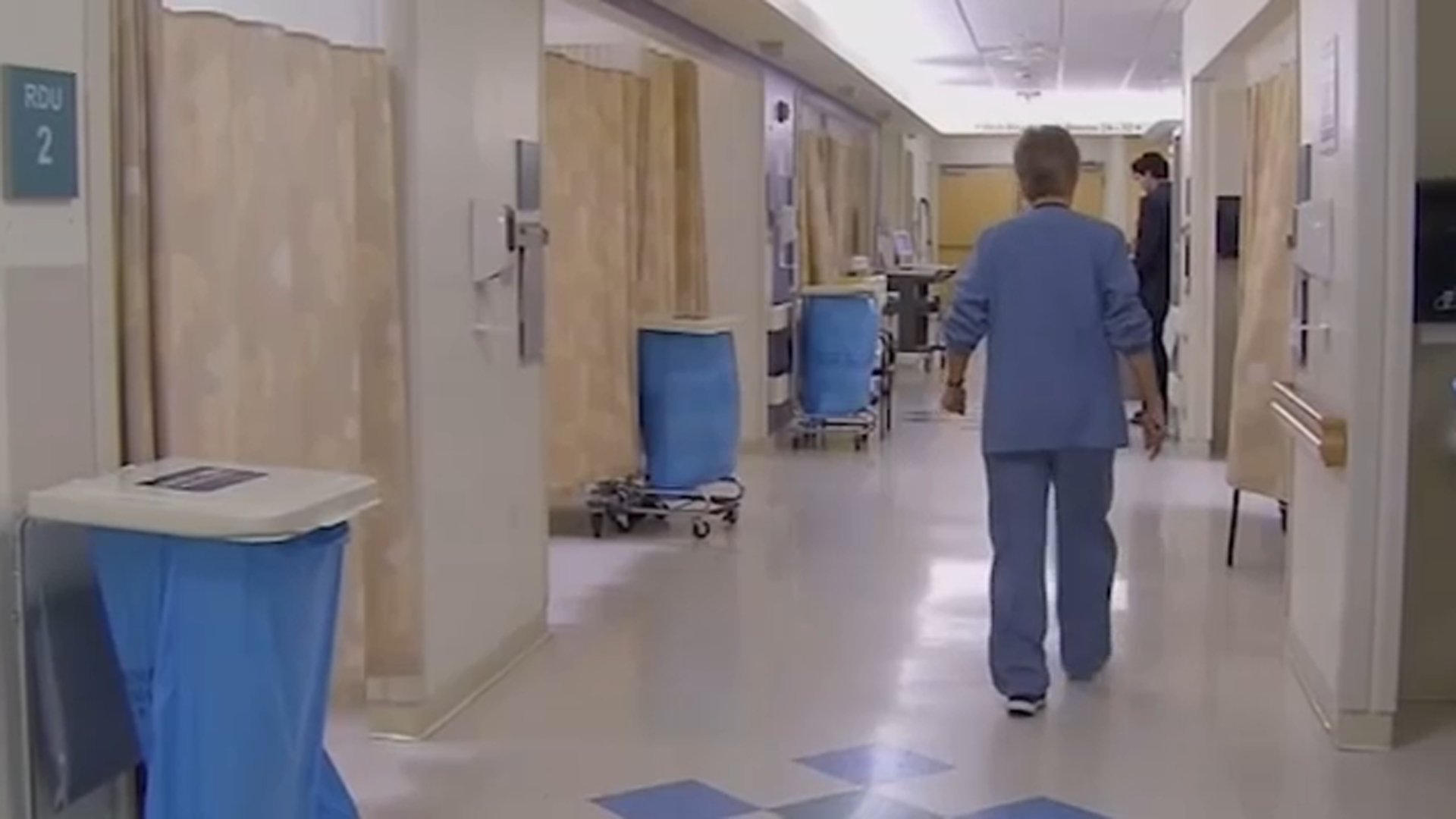


RALEIGH, N.C. (WTVD) -- The Joint Legislative Oversight Committee on Medicaid met Tuesday afternoon, where members heard presentations about the effects of federal funding cuts to Medicaid and new workforce requirements for beneficiaries.
KFF estimates North Carolina will see a reduction of $23 billion in federal funding in the next decade as a result of the cuts, part of $911 billion in national spending reductions toward the program.
"We know that many providers, particularly in rural areas, are already facing difficult budget situations, and so these Medicaid cuts could have a significant impact that could lead to some providers either cutting back on services or shutting down altogether," said Jennifer Tolbert, Deputy Director for the Program on Medicaid and the Uninsured at KFF.
The new workforce requirements must be in place by January 2027, a deadline that Rep. Donny Lambeth, who serves as Co-Chair of the Committee, expressed doubt was feasible.
"Personally, I don't think we can meet (the deadline). I think it's too fast, too much work to do. I just don't see how we can do it. And so we are going to be asking for a little bit of a concession on the time or hopefully we could talk to our congressmen, whether they give us any additional time, but any additional amount of time would help us. I think we're at least six months away or need at least another six months before we actually would be in a better position," said Lambeth, a Republican who represents Forsyth County.
"Currently, what it looks like is those H.R. 1 rules around work requirements will flow down to the states. The states will then make their own rules about whether or not they're going to exempt people with disabilities, which we will, of course, advocate for that exemption. But how are they going to define disability?" said Lisa Poteat, Executive Director of The Arc of NC, a nonprofit that advocates for individuals with intellectual and developmental disabilities.
Despite the timing concerns, Lambeth did express support for workforce requirements and administrative changes.
"The concept of what they're trying to do is actually very, very good. I do think there's people on the Medicaid rolls that probably don't need to be on the rolls. They're probably errors being made. And, you know, we've seen that in their rates. I think this gives us an opportunity to step back, reform on this portion of the plan. I was always for a work requirement on the Medicaid expansion," said Lambeth.
There are more than 3 million North Carolinians covered by Medicaid, a figure that has been significantly boosted by Medicaid expansion. which was signed into law in 2023.
"I've heard a lot from (constituents) because I was the point person on getting expansion done, and I get constant emails from folks asking about what's going on. And, quite frankly, my response is we don't know. We don't know where we're going yet," said Lambeth.
He did express concern over how the funding shortfall could be addressed.
"That is the $64 million question. And I've been talking to the counties. You heard from the (North Carolina Association of) County Commissioners, they're not able to take it on. And that's worrisome because neither is the state. And I've tried to make it very clear that the state is not going to take on additional cost. We have to either find a way, i.e., the savings discussion that went on here or a revenue source that will fund any new cost. If we can't find that, then we will have to look at options to either scale back the Medicaid program and an extreme case of canceling the expansion population that we worked so hard to try to get in place to start with," said Lambeth.
"H.R. 1, from the view of the (Association of North Carolina County Commissioners), is one of the most significant unfunded mandates and one of the largest shifts of administrative and economic responsibility that our state and our counties have seen in generations," said Executive Director Kevin Leonard.
Poteat, who listened to Tuesday's meeting, expressed the importance of continuing coverage.
"We've got to be able to sustain the services they need going forward and not lose the ability to be innovative. Part of sustaining some of those services is finding new ways to do them for the same or less dollars. That's where the innovation comes in," said Poteat.
Stay on top of breaking news stories with the ABC11 News App