Military suspects in shooting cases draw attention to veteran mental health care


RALEIGH, N.C. (WTVD) -- In both the Michigan shooting and the shooting on the North Carolina coast, the alleged gunmen had military ties. Both had also at one point served at Camp Lejeune. Both served in Iraq. And they were the same age.
It's why local military advocates and VA specialists are hoping it can shine a light on helping veterans get the care that they need.
Thomas Jacob Sanford, 40, the suspect in Michigan, served in the military from 2004 to 2008, with his last duty assignment at Camp Lejeune.
Nigel Edge, 40, the suspect in the Southport case, was a combat Marine and Purple Heart recipient who later reported suffering from PTSD.
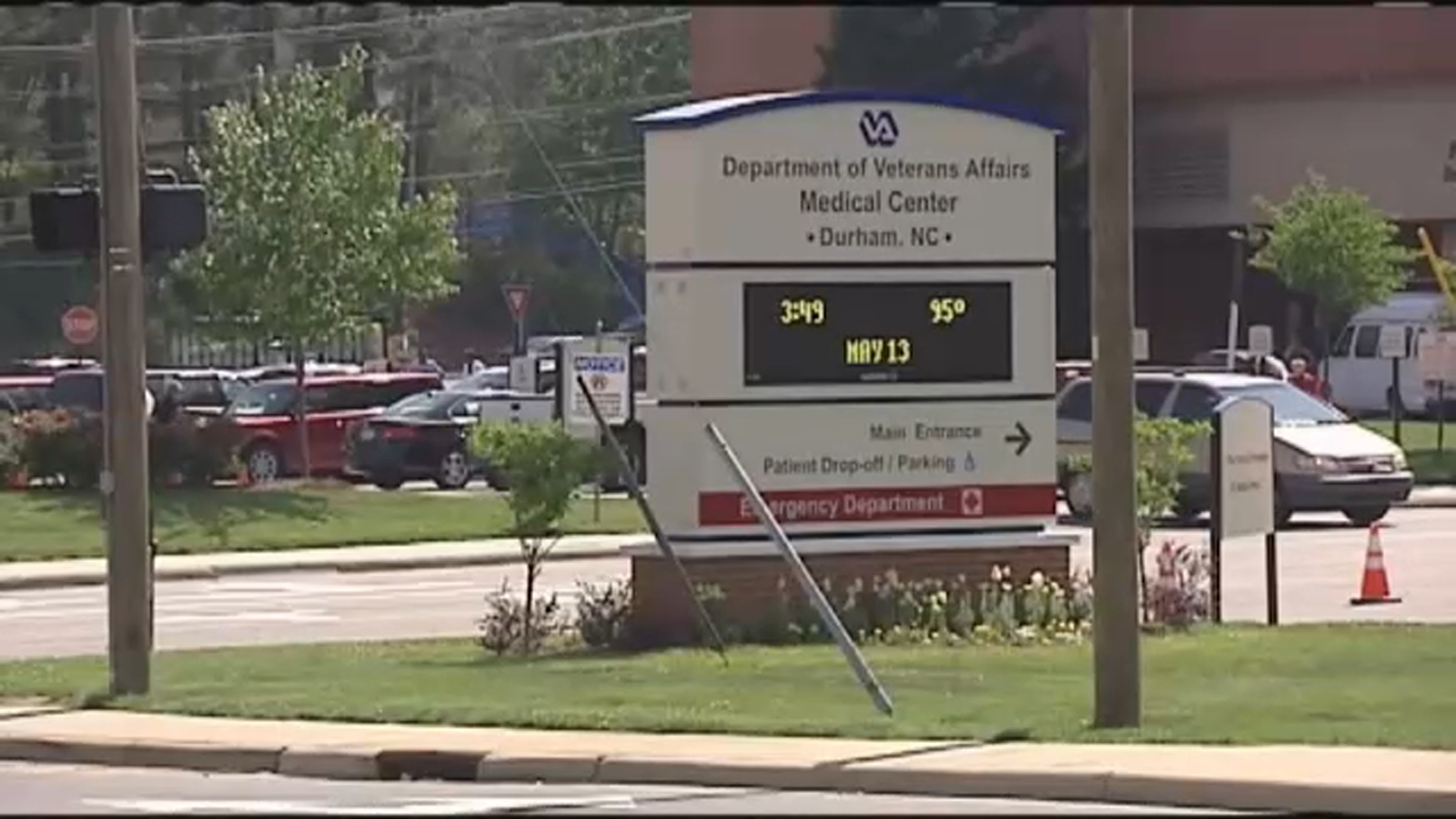
"It's always very sad to hear about these kind of events. They're rare. A lot of people worry that veterans are somehow coming back from war, broken or ticking time bombs," said Dr. Harold Kudler, a retired VA mental health specialist based in Durham.
He said that, though through the years, the stigma around mental health in the military has improved, sometimes there's still a gap in care.
"Most doctors don't even take a military history. They're not going to connect with a veteran or the family of a veteran around issues regarding a military history. They're not going to know about PTSD because you're not going to ask about military experience," he said.
When speaking Monday about the tragic shooting in Brunswick County, Gov. Josh Stein echoed those same concerns.
"We know that the vast majority of folks with mental health challenges pose no risk, but some can. There are too many in our community with dangerous obsessions exhibiting threatening behavior that do pose risks," Stein said.



Kudler says it also doesn't help that there have been cuts and staffing issues at the VA, and that it is moving away from telehealth in favor of in-person visits.
It's a factor that could make it harder for veterans to stay connected.
"Telehealth could allow them if they're, if they're taking care of children, not to find childcare for a day when they drove to a VA hospital. It allows them to comply with treatment to make sure if they are on medicine, they're taking it properly. There aren't any side effects that would make them quit the medicine early. All of these things are being challenged now," he said.
It's still unclear whether the suspects in the cases were getting help, but Kudler said he hopes it will inspire family members of veterans to keep an eye out and not be afraid to have tough conversations if they notice something wrong.
"It certainly speaks to the importance of all of us trying to weave a better web of support around our veterans. And I think that's something each of us could play a role in," Kudler said.
ABC11 reached out to Edge's family in Raleigh, but they did not want to comment on the case.