NC hospital uses music for mental health therapy, support: 'It's peaceful'


FAYETTEVILLE, N.C. (WTVD) -- Music is more than just background noise for patients at Cape Fear Valley Health. For some, it's become a powerful tool for healing and hope in the face of mental health challenges.
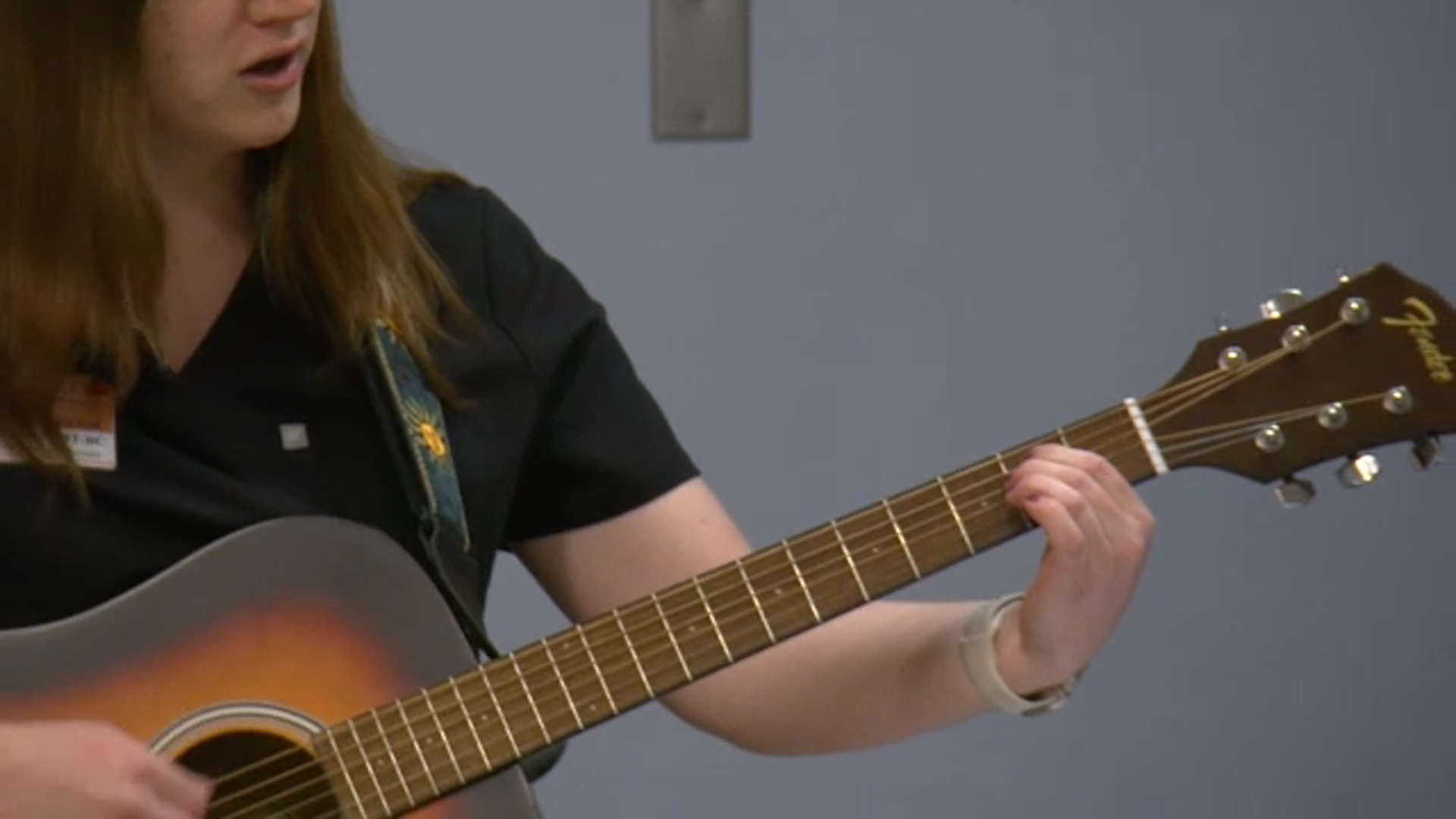
At Cape Fear Valley Health, board-certified music therapist Katie Walters leads twice-weekly therapy sessions that use music to help patients express themselves, connect with others, and find relief from pain and anxiety. The program, supported by a $12,000 grant from the Arts Council, reaches about 24 adults and up to 12 adolescents in two separate units.
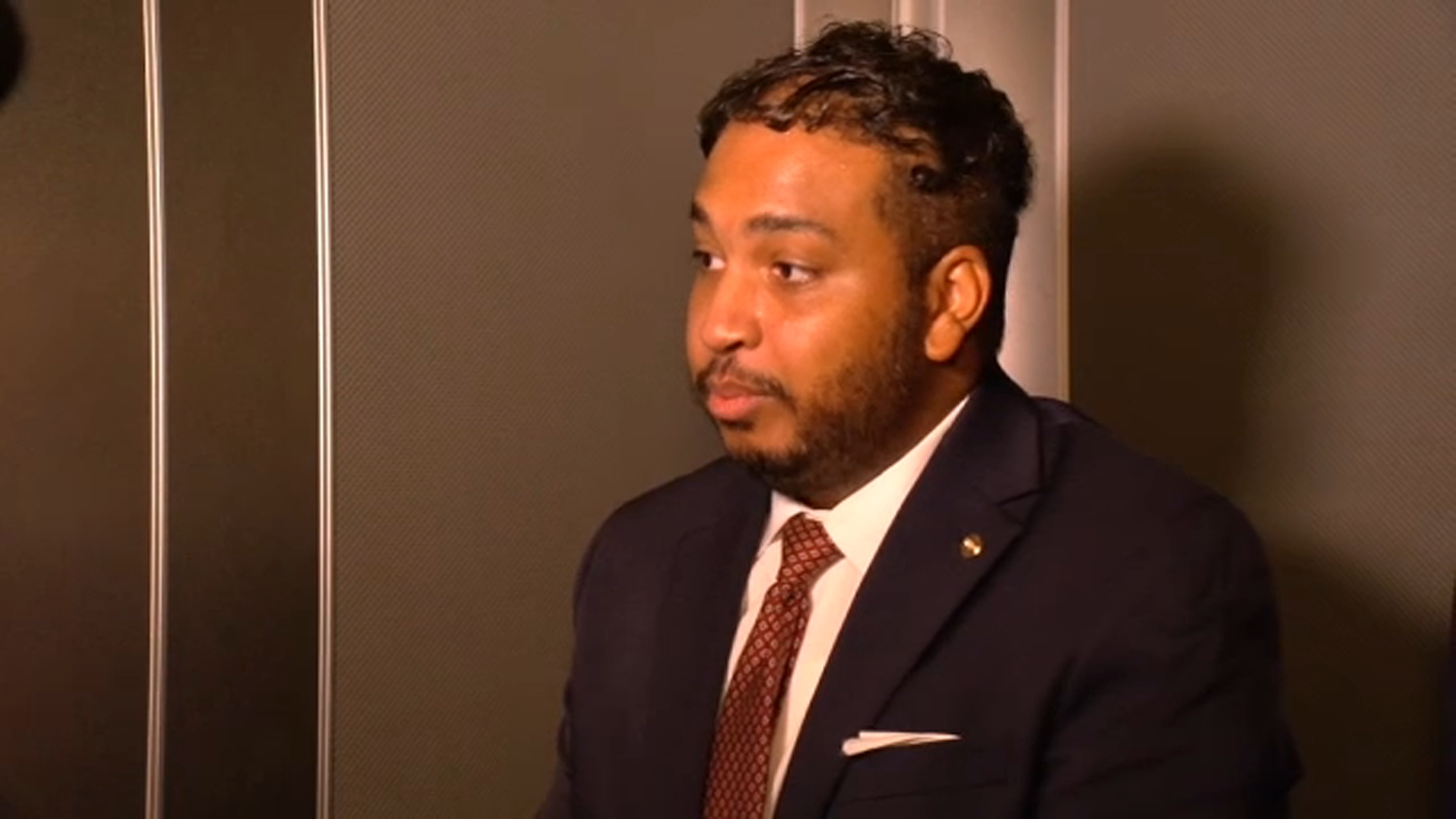
It's calming, it's peaceful.William Mitchell
"It can provide a safe place for them to express themselves, connect with their peers, engage with different music that they love, and hear different songs too," Walters said.
Monday, sounds of guitar strumming and uplifting words filled the therapy room as patients analyzed and rewrote song lyrics to reflect their own stories. For William Mitchell, who has been at Cape Fear Valley Health for five days, the sessions are a welcome break from the routine.
"It's calming, it's peaceful. It's a different variety. You turn around all day doing nothing, and she comes and plays music to cheer you up, make your day," Mitchell said.
Walters uses creative techniques to help patients shift their mindset and boost their self-esteem. "By just emphasizing positive qualities, your strengths, inner strengths to knowing what you're good at, it can promote positive self-esteem, reduce negative self-talk, improve confidence, and ultimately hopefully improve coping as well," she explained.
Mitchell, a former musician, said he enjoys playing small instruments and writing songs during therapy. "I play little instruments here and, and, uh, I made a few songs," he said.
Many patients in the program face stress, schizophrenia, or bipolar disorder. Walters believes music therapy offers not only comfort but also helps reduce the stigma around mental health. "In medical environments, it can be very unfamiliar, very cold and stern...We are trying to maybe bring a little bit of peace," she said.
For Mitchell, the impact of music therapy continues long after the session ends. "I can make an appreciation and appreciation to her for, uh, doing what she did. And makes a lot, even if she doesn't recognize what to do for us or do for now," he said.
Walters, who grew up in Fayetteville, says making authentic connections with patients like Mitchell is what inspired her to pursue this work. "Those authentic connections that you make with people are just invaluable," Walters said.
SEE ALSO | Homes offer independence for adults with disabilities in Fayetteville