Military members older than 30 to be screened for testosterone


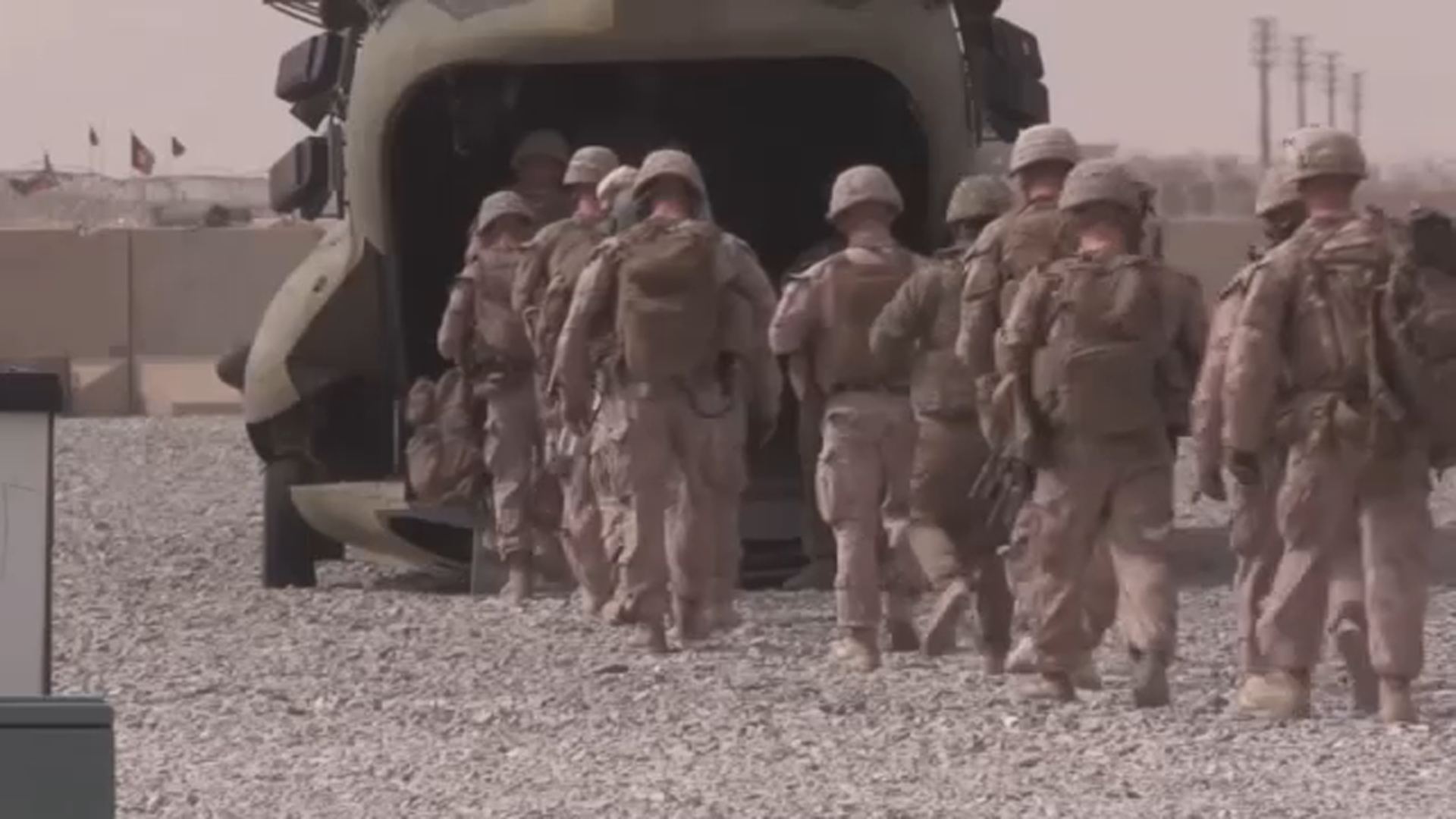
RALEIGH, N.C. (WTVD) -- The Department of Defense is implementing a new policy that would require service members ages 30 and older to have their testosterone levels checked as part of routine health assessments, while testing will remain optional for troops younger than 30.
Secretary of Defense Pete Hegseth said the screenings are intended to help ensure military readiness.
"As we know, the modern battlefield is brutal and unrelenting. It requires and demands maximum psychological and mental readiness. And by addressing these health markers early, we're keeping you on the leading edge of lethality and giving you the same level of support that you give this nation. The absolute best," Hegseth said.
I do think at times it gets overdiagnosed. And I think the military just doing the general screening will do a much better job of actually making sure it's appropriate.- Dr. Josh McConkey, veteran and emergency physician
Increasing testosterone can lead to more energy, improved muscle development and stronger bones. Low testosterone levels have been a concern, particularly among special operations forces, whose duties are often more physically demanding. Any treatment resulting from the screenings would be optional.
The policy comes as testosterone prescribing has increased in recent years beyond the military. The report noted that prescriptions for testosterone have tripled in recent years, but also said some studies suggest that up to a quarter of men receiving testosterone therapy do not have their levels properly tested before treatment.
Dr. Josh McConkey, a veteran and emergency physician, said broader screening could help ensure testosterone therapy is used appropriately.

"I do think at times it gets overdiagnosed. And I think the military just doing the general screening will do a much better job of actually making sure it's appropriate. Right now, you see tons of men and some females that are on some of those testosterone medications that probably don't need to be. So I think the military side of things that will have a little bit more evidence-based practice behind that," McConkey said.
Not all veterans support the change. Some veterans interviewed in Fayetteville said they oppose the policy, arguing it does not affect how ready or strong soldiers are.
It remains unclear what testosterone level the Pentagon would consider acceptable under the new policy.