Some NC counties drop Sunday voting under approved plans
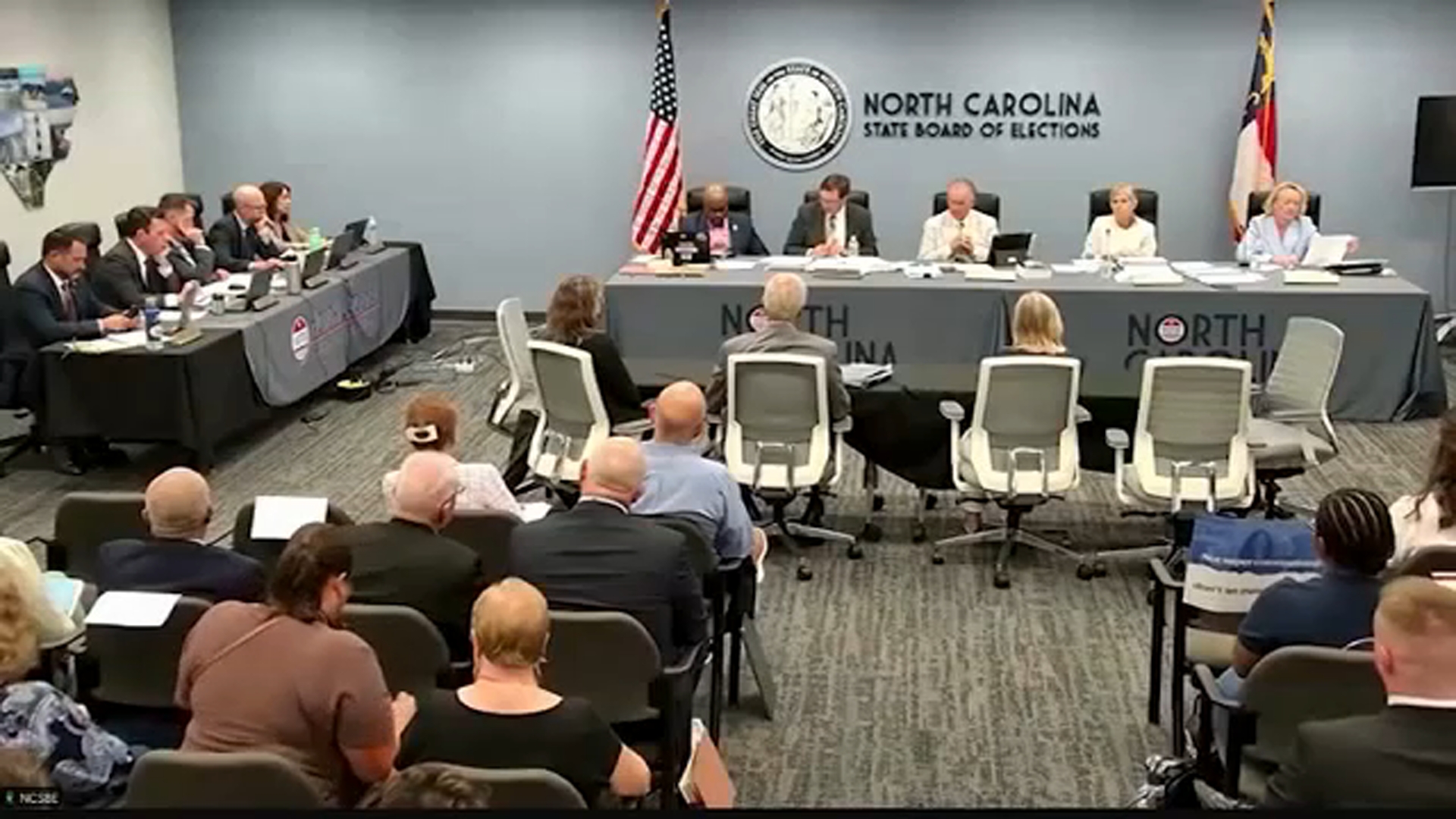


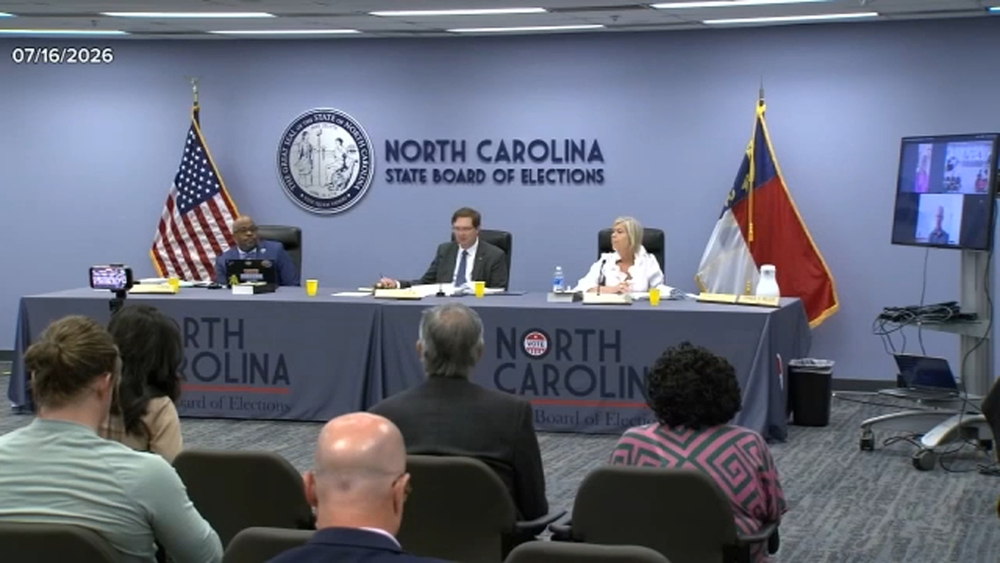
RALEIGH, N.C. (WTVD) -- The North Carolina State Board of Elections approved final early voting plans for 20 counties after local election boards failed to reach unanimous agreement, setting the framework for early voting ahead of the November general election.
A key issue during the board's hours long hearing was whether counties would continue offering Sunday early voting and where voters could cast ballots. Wayne, Harnett and Nash counties were among those that eliminated Sunday voting, prompting criticism from voting rights advocates.
Advocates said ending Sunday voting could make it more difficult for people to participate in elections, particularly working families, older voters and school-aged voters.
"It's going to impact our working families. It's going to impact our elderly voters. It's going to impact our school-age voters as well," said Erica Porter with the North Carolina Voter Protection Alliance.
The state board reviewed each county's proposal individually before making final decisions. Much of the debate centered on Sunday voting, which has long been tied to Black church-led voter mobilization efforts, including the "Souls to the Polls" initiative.
"Sundays are really the day where a lot of us have the ability to go and vote," Porter said. "A lot of people in this economy are working two or three jobs. They can't get out to vote before 7 p.m."
She added that Sunday voting allows families to vote together.
"Sunday is really that opportunity that people take to take time, take their family and go together to vote," Porter said.
Supporters of the revised plans argued that Sunday voting is no longer necessary in some counties, citing costs, staffing challenges and voter turnout data.
In Harnett County, Board of Elections Chairman Danny Moody said only about 4% of voters used Sunday voting hours in both 2022 and 2024. He noted that the approved plan mirrors the one used during the 2026 primary elections.
"In Harnett County, the most vile word you can use is change, and we changed it, and there weren't any complaints about it," Moody said. "The plan worked well in the primaries, and we believe it will work well during the upcoming early voting period."
However, Betsey McCormick challenged the Harnett County majority plan, presenting data she said showed Sunday voter participation per hour exceeded that of any other day during the early voting period.
"The Sunday hours are only 5% of the total early voting hours, which means the Sunday voting hours are highly utilized," McCormick said. "The cost of those four hours of voting on a Sunday is approximately $1,000 per site. That money is already in our budget. The Sunday voting hours are a cost-effective way to provide a wider range of voting opportunities."
Political analyst David McLennan said the changes could influence how voters view the election process.
"We're in a period of time where questions are already out there about the voting system, and this just adds to it," McLennan said. "People are going to say, 'I've always voted on Sunday. Now I can't vote on Sunday.'"
The board also reviewed the use of college campuses as early voting locations. North Carolina A&T State University and UNC Greensboro will not serve as early voting sites, while Western Carolina University will host early voting.
McLennan said campus voting locations have historically been popular with voters.
"College campus voting has been extremely popular," he said. "Western Carolina, NC Central and NC State have all been very popular voting sites. The NC State location will remain on campus, but it has been moved a couple of miles away, which could make voting a little more challenging."
Early voting for the November general election is scheduled to begin Oct. 15 and continue through Oct. 31.