NC launches action plan to address rising suicide rates among Black youth


RALEIGH, N.C. (WTVD) -- In response to a significant rise in suicide rates among young Black youth, the North Carolina Department of Health and Human Services (NCDHHS) is launching an action plan.
Data showed in 2023 that Black people were disproportionately represented in emergency department visits for suicidal thoughts or self-injury, particularly among those aged 10 to 24. Research also highlights that Black youth are disproportionately affected by suicide but are underrepresented in calls to mental health hotlines, especially in urban counties. Additionally, data from 2013 to 2023 shows that over half of Black youth and young adults who died by suicide used firearms.
Black families also face considerable barriers to accessing medical and mental health services due to various socio-economic factors.
Officials said the new NC Black Youth Suicide Prevention Action Plan will be a community-led, ground-up approach with specific objectives to improve health and well-being of Black youth and young adults.
SEE ALSO: State leaders spearhead new youth mental health initiative: 'We know the problem'
"NCDHHS wants to ensure everyone has the support they need before, during, and after a personal crisis, especially groups that are disproportionately affected," said Kelly Crosbie, the director of the Division of Mental Health, Developmental Disabilities and Substance Use Services.
The plan focuses on six key objectives:
- Launch the Community of Practice and Education (COPE) initiative to lead and support suicide prevention efforts for Black youth and young adults in North Carolina
- Strengthen mental health services for Black youth by integrating peer support specialists and peer-to-peer support systems
- Increase awareness and training for suicide prevention, specifically tailored for Black youth
- Reduce access to lethal means among Black youth
- Build protective factors to promote mental well-being for Black youth
- Develop a comprehensive understanding of suicide prevention needs through data analysis and reporting to guide targeted interventions and raise awareness
Each objective comes with specific goals to shape policy decisions.
The plan also incorporates culturally relevant strategies, such as training trusted community partners like barbers. Key programs include Counseling on Access to Lethal Means (CALM), Mental Health First Aid (MHFA), and information about the 988 Suicide & Crisis Lifeline.
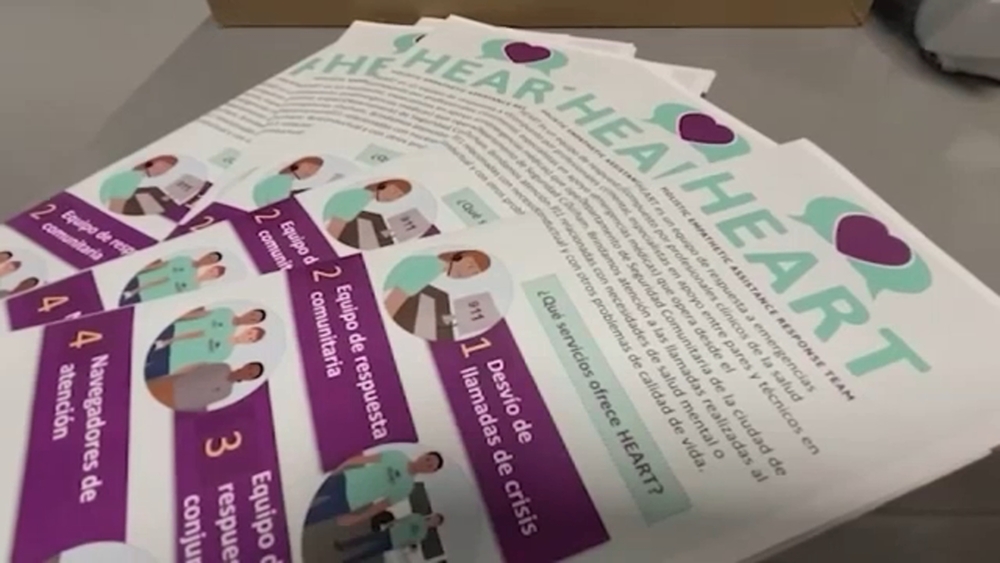
If you or someone you know is struggling with their mental health or need someone to talk to, you are not alone. Resources are available on the NCDHHS Suicide Prevention website for social or family situations, depression, anxiety, panic attacks, thoughts of suicide, alcohol or drug use, or if you just need someone to talk to. Our Crisis Services Communications Toolkit includes free flyers, posters and other resources to promote and explain crisis services in your community in English and Spanish.