Sluggish jobs report sees US economy shed 92,000 jobs, unemployment tick up to 4.4%


RALEIGH, N.C. (WTVD) -- A disappointing February jobs report saw the United States economy lose 92,000 jobs in February, largely erasing job gains from January.
"It was weak all around. There's no putting lipstick on it," said Andre Mouton, an assistant professor of economics at Wake Forest University.
Sectors to see notable losses included healthcare, information, transportation, warehousing, and the federal government.
"If you look at the jobs numbers from last year, healthcare was really the one sort of shining sector of the economy, the one sector adding jobs, and that has changed in this most recent report," Mouton said.
The report's release comes ahead of the Federal Reserve's planned meeting on March 17 and 18.
"If you're in the Federal Reserve's position and you're trying to decide whether to lower rates or not, you're weighing, on the one hand, risks of inflation, which have just gone up because of the oil shock. On the other hand, (you're considering) unemployment, which has also just gone up. I think it puts the Federal Reserve in a really tough spot," said Mouton.
In a statement, U.S. Secretary of Labor Lori Chavez-Deremer wrote:
"While record-breaking strikes and bad winter weather dragged down February nonfarm employment, the unemployment rate held steady, and there are several positive signs for our economy that continue to show American workers are recovering from the mess left behind by Biden.
President Trump has successfully reignited wage growth, which continued to accelerate in February - rising 3.8 percent year over year. Factory workers' wages in particular have improved from a $830 loss to an impressive $2,400 gain under the Trump Administration. Additionally, while federal employment has hit its lowest level on record, private sector job growth rose by half a million during the President's first year in office, and 60,000 jobs have been created already this year.
As wages continue to outpace inflation, and as the Working Families Tax Cuts help employers and job creators keep even more of their hard-earned money, I'm optimistic that job growth will continue as we undo the Biden-era catastrophe of soaring prices and stagnant wages."
Gas prices have spiked in the immediate aftermath of the US military conflict targeting the Iranian regime. According to AAA, the average price of a regular gallon of gas in North Carolina has increased by 36 cents in the past week, though it remains below national averages.


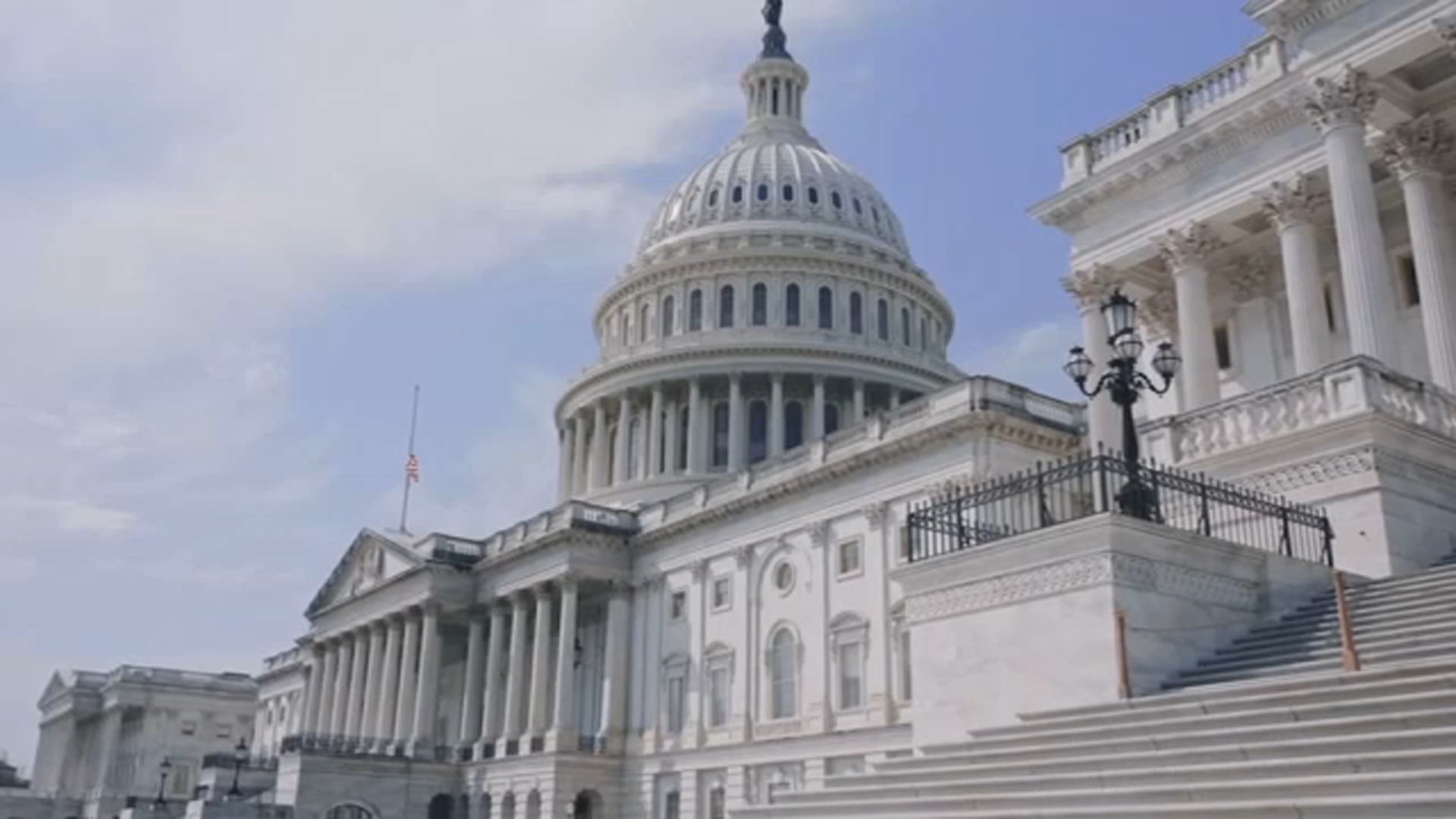
"We're all concerned about how people are going to be able to travel. If you have a job, you want to be able to afford traveling to get to that job. As it relates to everything, transport of food, transport of goods, all of that is going to be affected," said Rep. Valerie Foushee, a Democrat who represents the 4th Congressional District. Earlier this week, she defeated Nida Allam and Mary Patterson to win the Democratic primary for the 4th Congressional District.
Foushee joined the majority of Democrats on Thursday in voting in favor of an Iran War Powers resolution, which the House ultimately failed to adopt. Wednesday, the Senate also voted against a Democratic-led War Powers Resolution regarding Iran.
The economic impact stemming from the conflict has drawn attention to one issue on top of voters' minds: affordability.
"With Congress not holding this president in check, we're now involved in a war that is going to cost more money, is going to cost more lives. And we're not dealing with the issues that people are living with every day," said Foushee, who said lowering prices was the main issue she heard on the campaign trail.
"The economy, jobs reports, (and) inflation tend to be the most important factor in determining election outcomes over really the entire American historical experience," said Jason Husser, a Political Science Professor at Elon University.
Husser, who is the Director of the Elon University Poll, explained how voters interpret respective economic data.
"You have a dynamic when it comes to economic voting that some of it is based upon people's perceptions of how the economy as a whole is going for society. And then there's also pocketbook voting, which is, it might be going poorly for society, but if I made more money last year than I ever made before, I might be able to overlook it and reward the incumbent as a result," said Husser.