The one thing the monks who walked for peace want people to remember

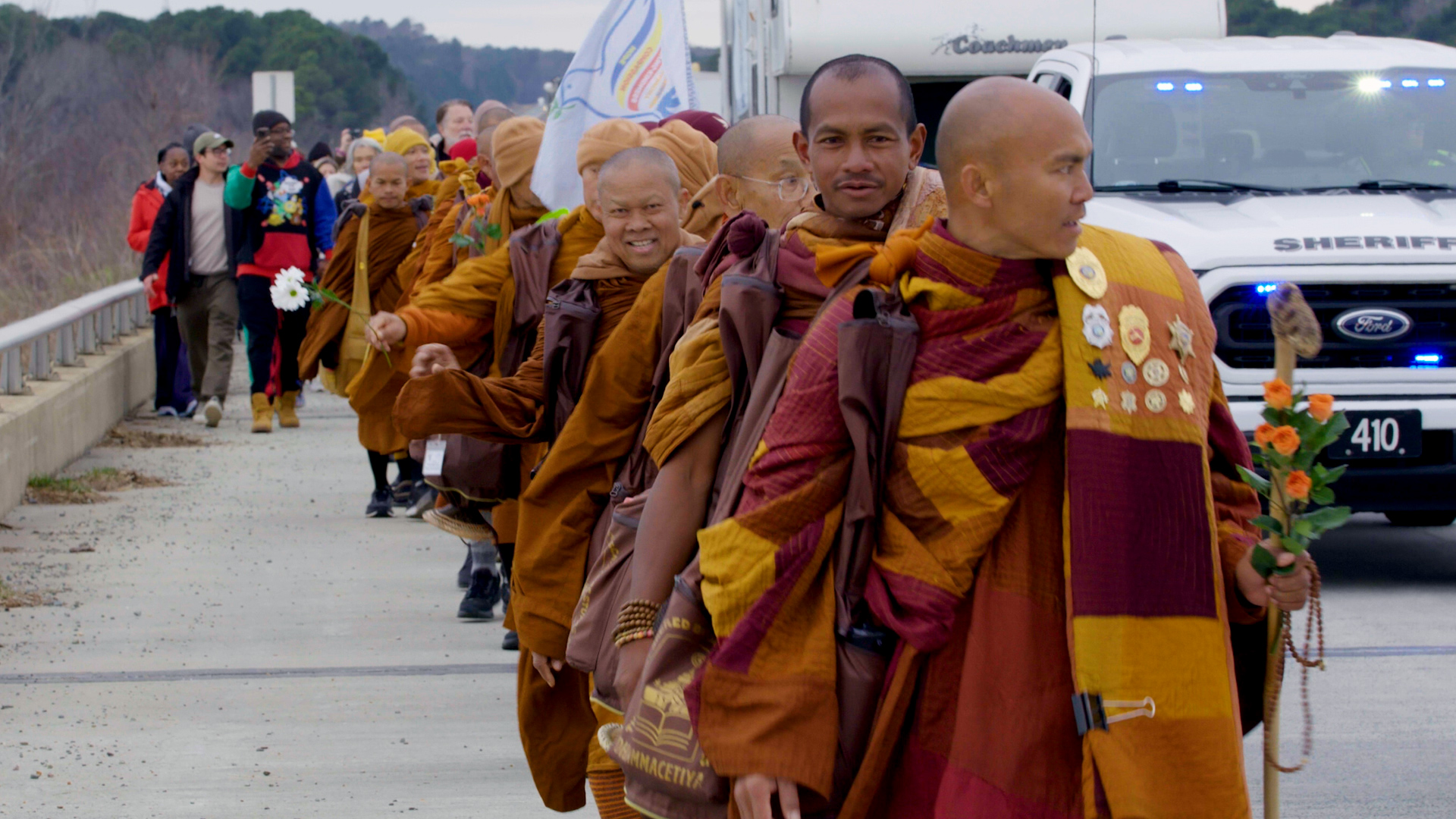
RALEIGH, N.C. -- For weeks, they moved east in saffron robes and walking shoes, single file along highways, through small towns and into city centers.
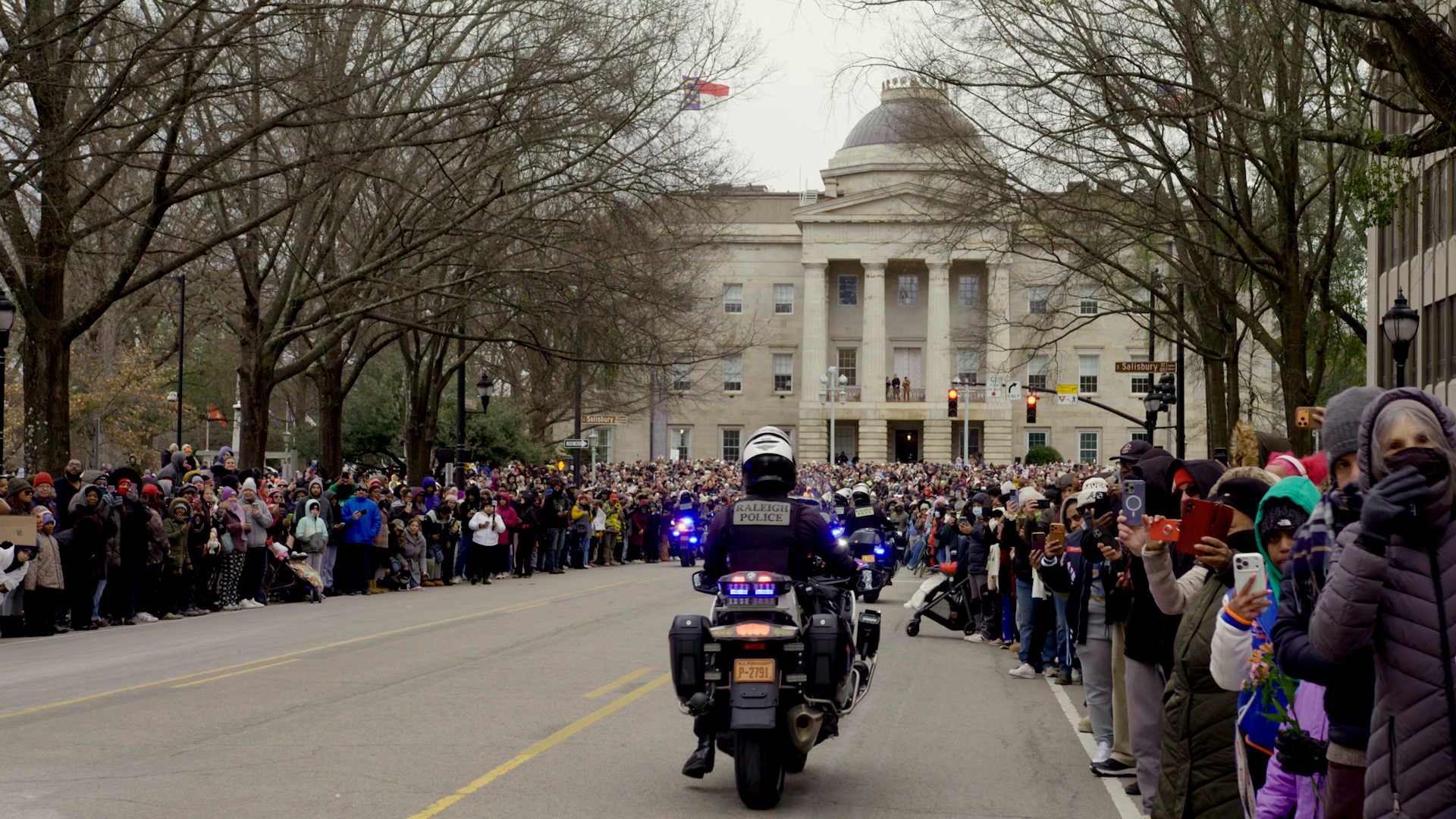
People pulled over and stepped out. Families waited on bridges and along road shoulders. Others stood in church parking lots, outside state capitols and on narrow roadside patches to watch the monks pass by, some bowing, some wiping away tears, and others standing in silence as the line moved forward.
Two months after the Walk for Peace ended in Washington, those scenes still offer the clearest image of what it became.
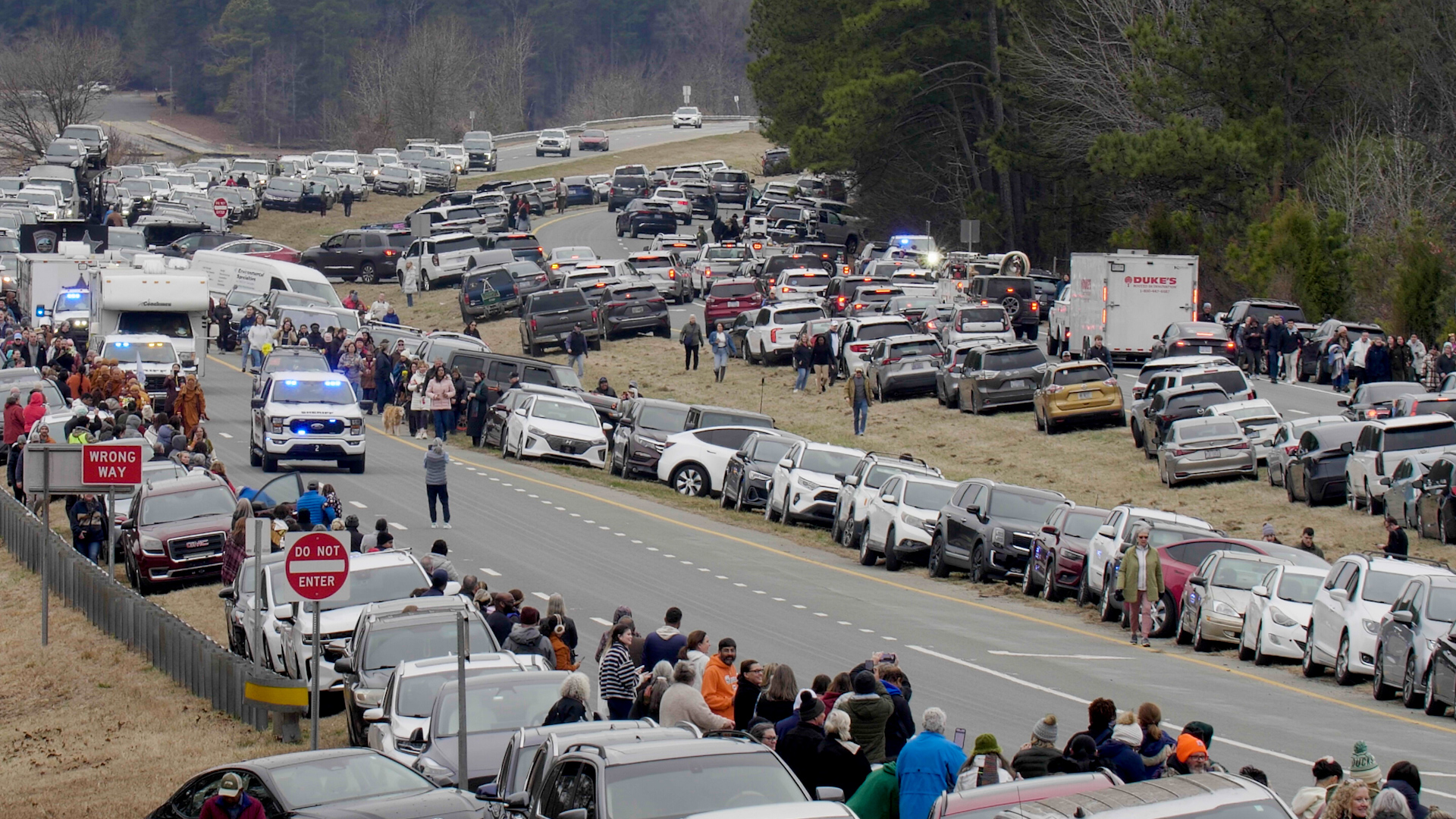
The journey lasted about 15 weeks and covered roughly 2,300 miles from Fort Worth, Texas, to the nation's capital. Nineteen Buddhist monks took part in a pilgrimage rooted in a tradition that long predates the country they were crossing. Organizers described it as part of a Buddhist walking practice that has been carried out for centuries.
The monks were not presenting themselves as men who could bring peace by their presence alone. Their message asked more of people than that. Peace, they said, had to begin within the individual.
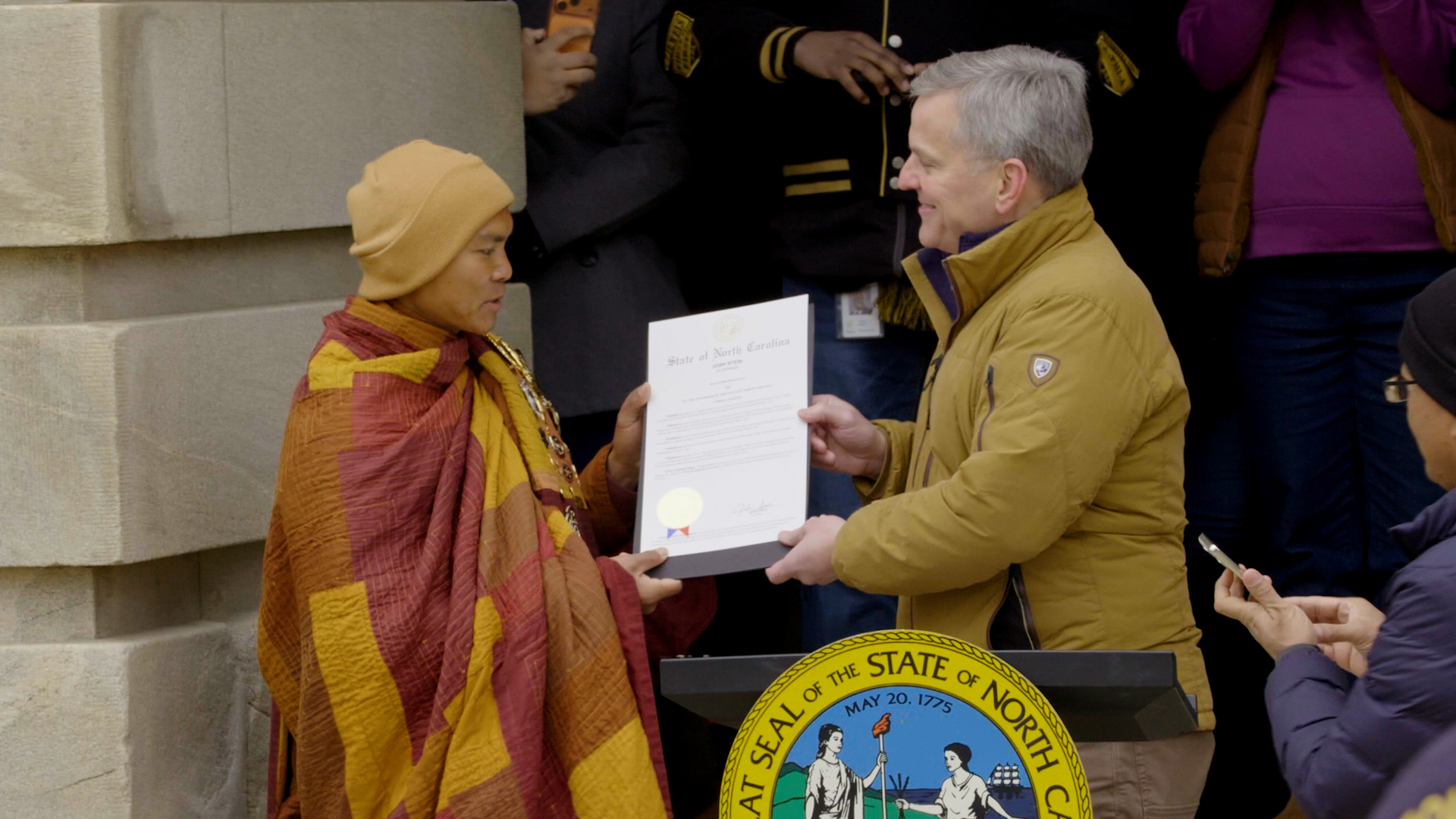
That idea ran through the speeches of Venerable Bhikkhu Paññkra, the monk who became the public face of the walk. In Raleigh, he told supporters that world peace would remain out of reach if people could not find peace in their own lives.
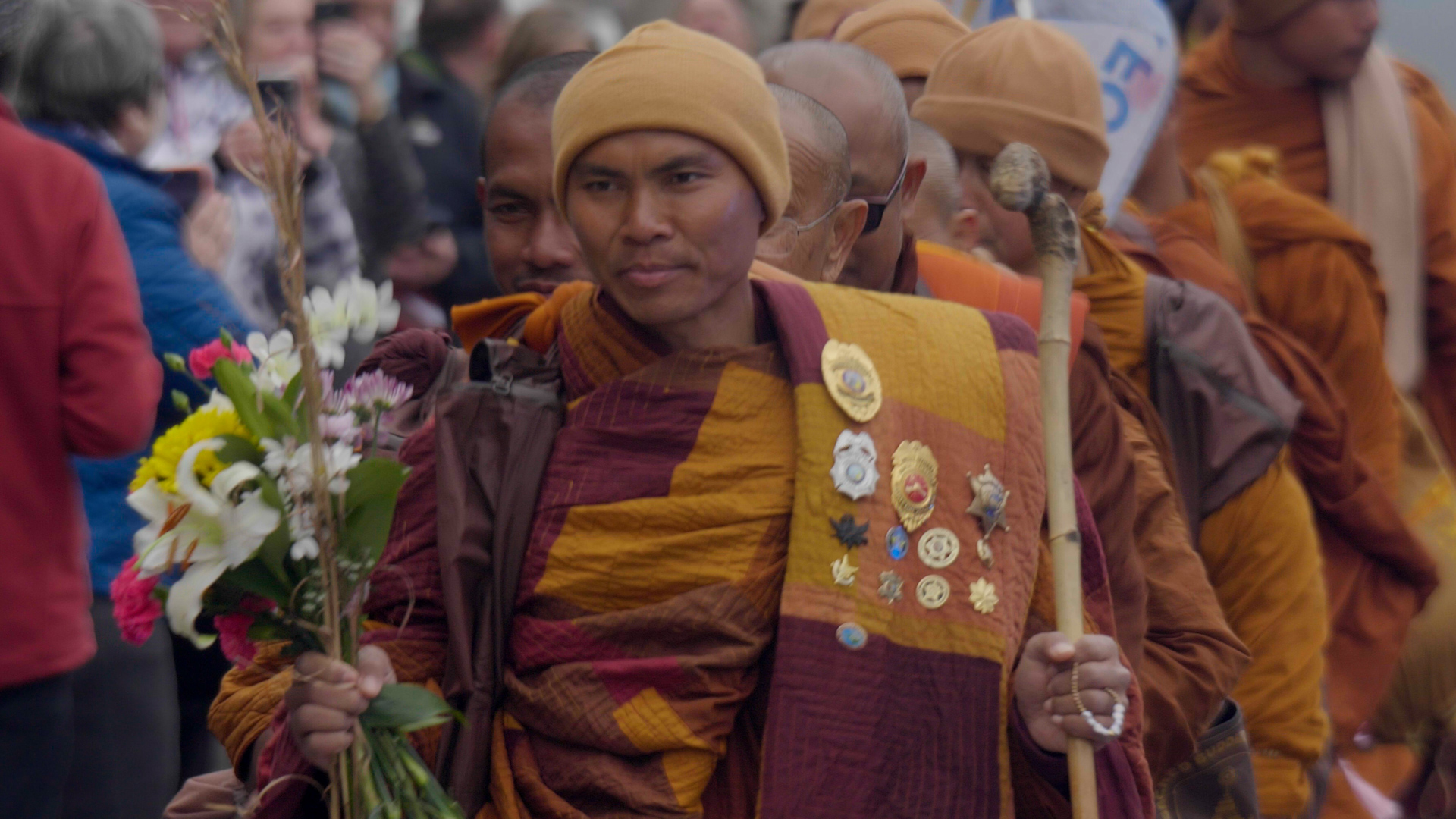
"If we cannot have peace for our own world, there will be no world peace," he said. "Peace always begins from within."
His message held steady from stop to stop. In one speech, he said the monks were only handing people the key, and that each person still had to unlock the door for themselves.
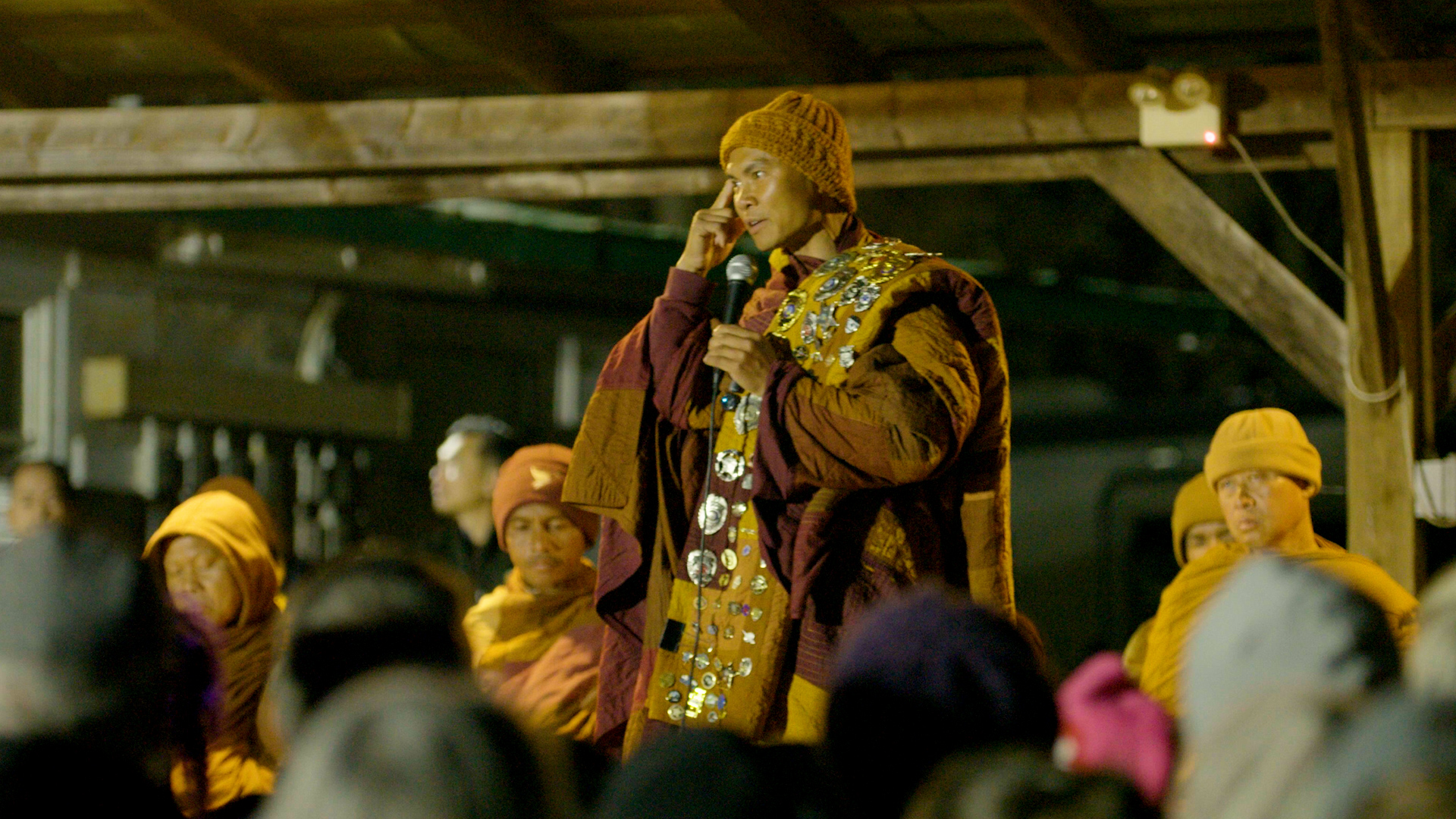
That seemed to land because many of the people who came to see the monks were already carrying something heavy. At roadside stops and larger gatherings alike, the emotional response was easy to see.
The people who turned out often put it more simply than the monks did. One woman said the monks were "grounding us" at a time when people felt surrounded by unrest and anger. She said they were bringing people back to a simple truth: that if people wanted to change the world, "you have to start with yourself."
Another woman, who had followed the monks for weeks, said they had become her "spiritual home."
"They have given me hope," she said.
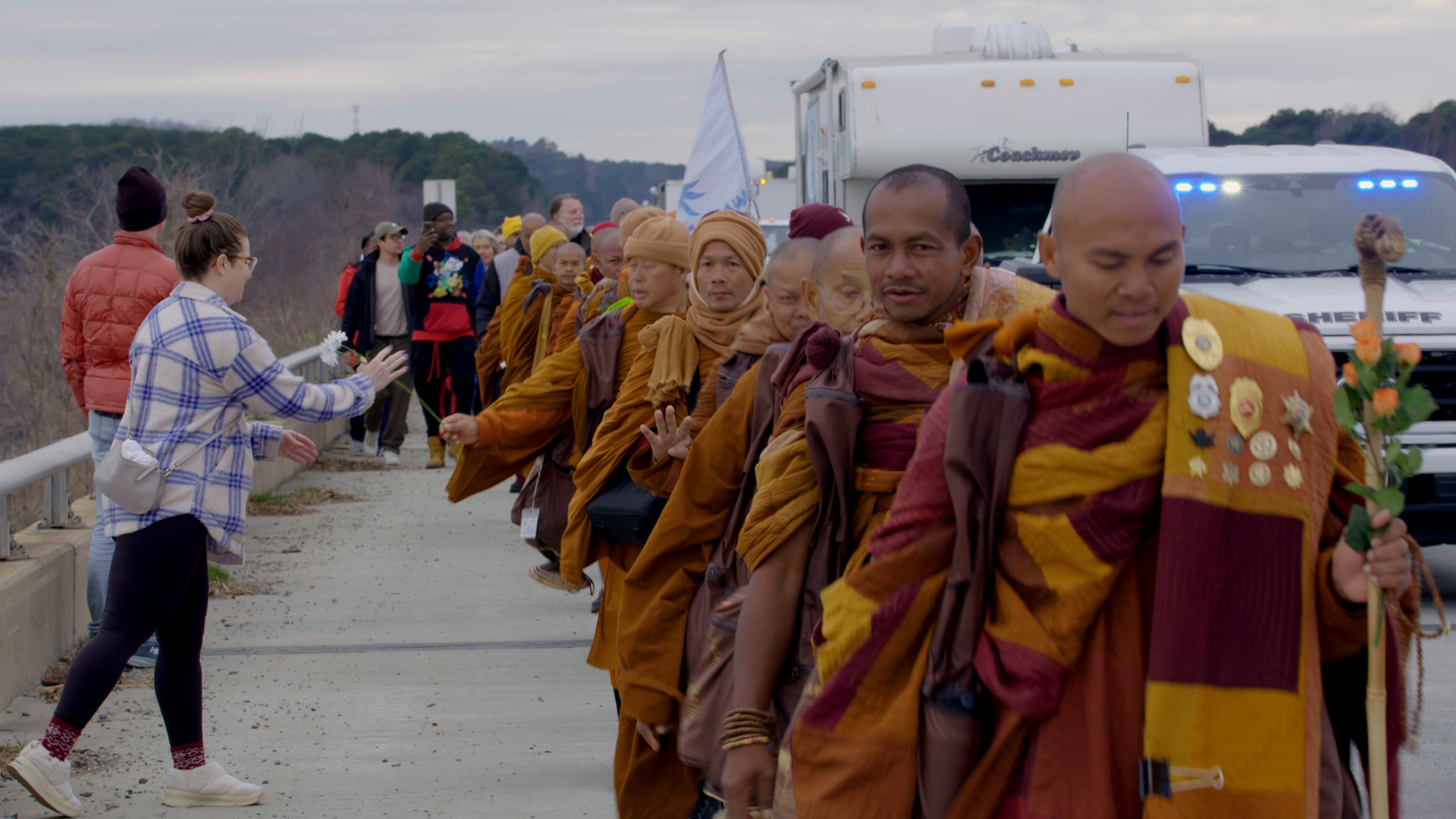
By the time the walk reached North Carolina, that kind of response had become familiar. Crowds turned out in Pittsboro, at Jordan Lake and in Raleigh, and Paññkra spoke openly about what he had seen in the faces of the people waiting for them. He described tears, smiles, bowed heads and people too overwhelmed to meet his gaze. He said some had come carrying the weight of loved ones they had lost.
"Because of suffering, because of sorrow, we are coming out together," he said.
The journey itself carried its own pain.
Early in the walk, two monks were injured in a highway crash in Texas, and one of them later lost a leg. By the end of the pilgrimage, ABC footage showed him rejoining the group in Washington, riding in a wheelchair as his fellow monks pushed him through the final stretch. It became one of the defining images of the journey, a reminder that the monks were carrying their message through hardship, not around it.
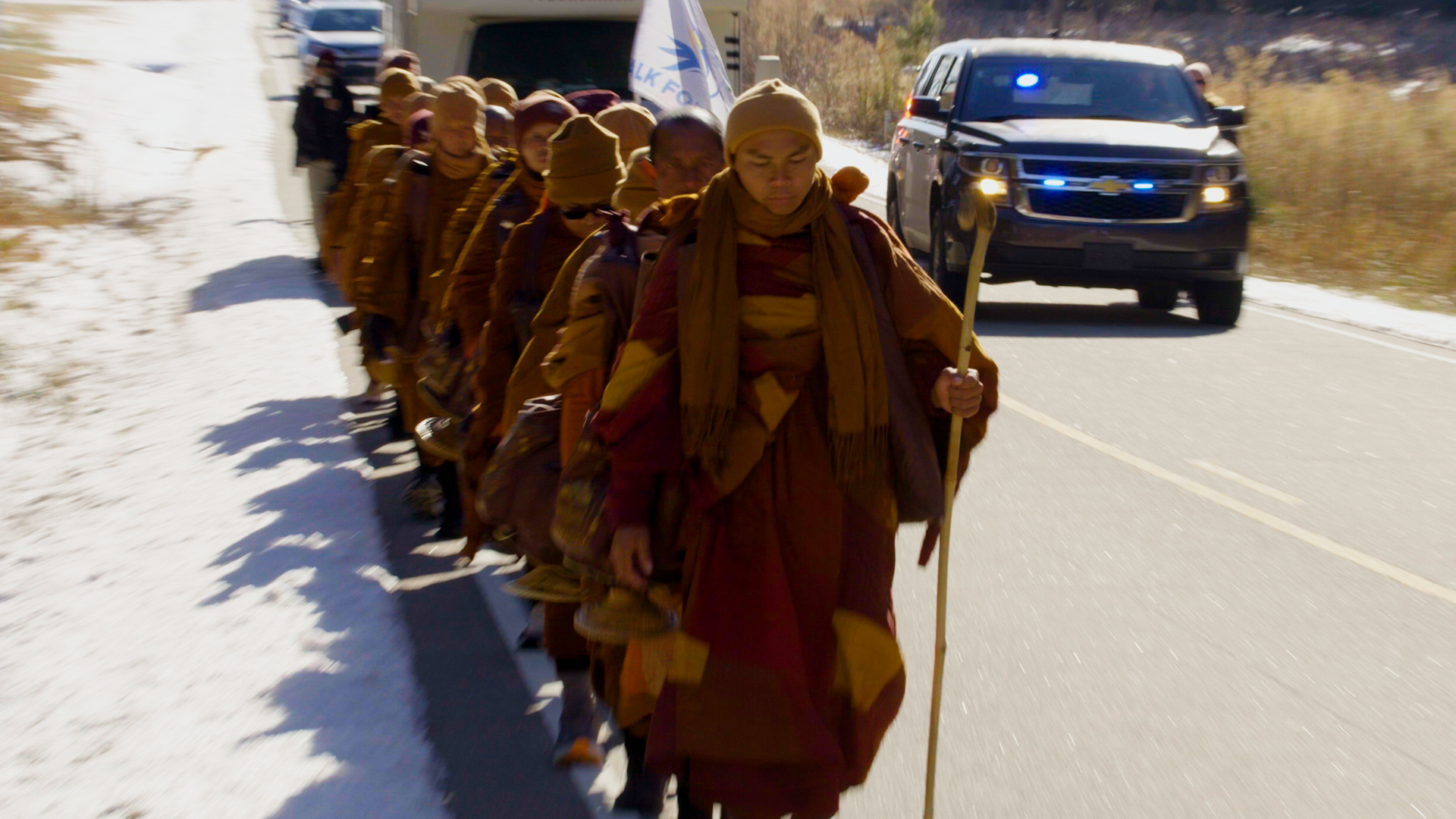
Organizers also said some of the monks took on especially strict discipline during the trip. Some ate only once a day. Some rested without lying down, sleeping instead in meditative positions. Those practices did not define the pilgrimage, but they helped explain the seriousness behind it.
The welcome the monks received also became part of what people remembered. They were Buddhist, but much of the support they found came from people who were not. Churches took them in. Christian supporters lined the route. In stop after stop, the monks were fed, housed and welcomed by people whose faith differed from their own.
That gave the pilgrimage one of its clearest American dimensions. It was a Buddhist walk through the South, carried in part by churches, local communities and supporters who met the monks with food, shelter and encouragement. People came out from small towns, suburbs and city neighborhoods. They came from different faiths and different backgrounds, and for stretches of the route, they stood side by side for the same reason, waiting for the monks to pass and listening for something in the message that matched their own lives.
When the walk ended in Washington, Paññkra made a point of thanking the churches that had helped them along the way.
"I'm very grateful that all churches open the door to us, to give us food, to give us a place to live, to stay overnight," he said. "And we are here in this beautiful church, and it is a very holy place."
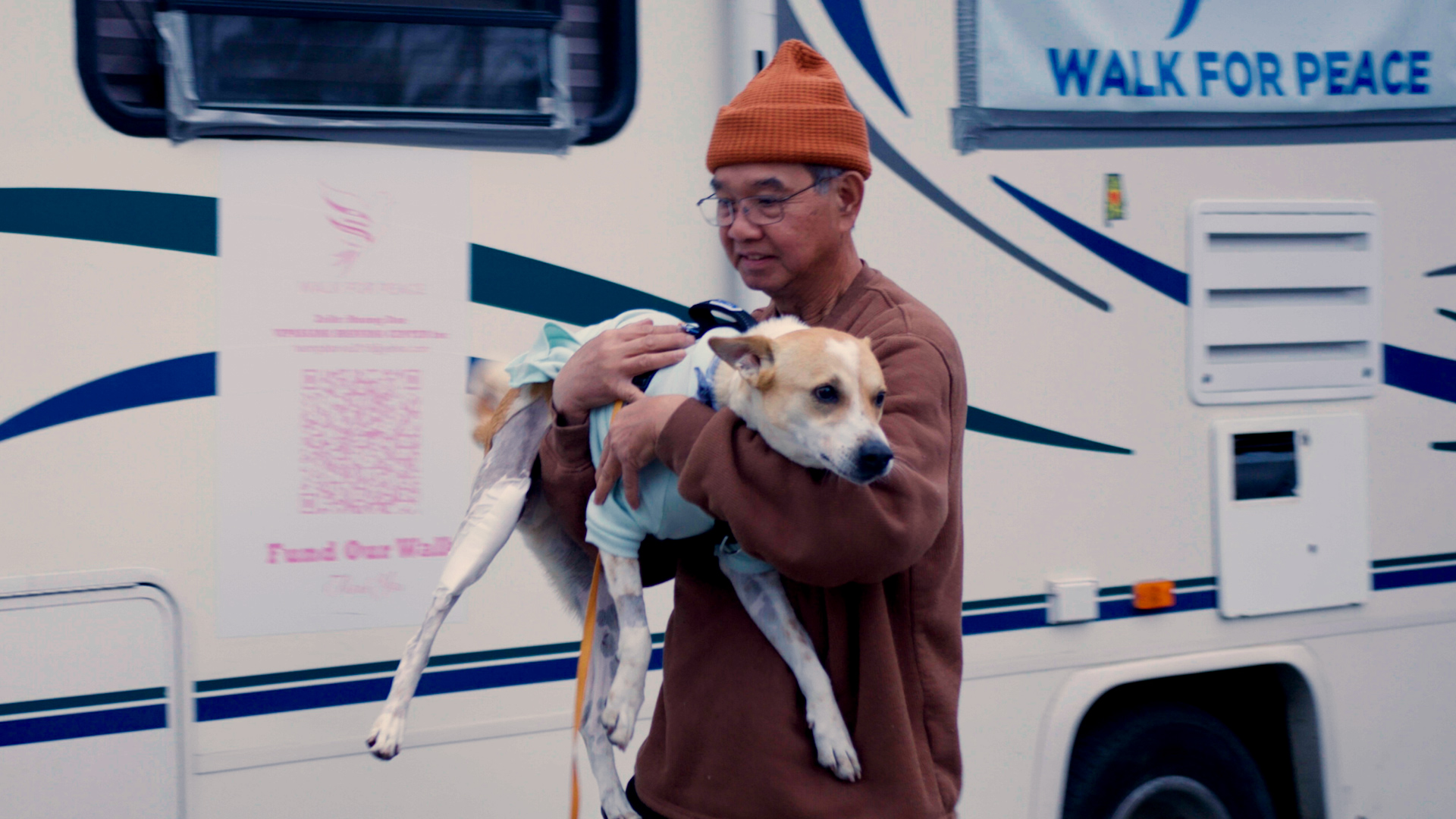
For most of the pilgrimage, the monks kept their focus on mindfulness, restraint and the inner work they believed peace required. In Washington, that message widened into a more direct moral appeal. Bhikkhu Bodhi, president of the Buddhist Association of the United States, spoke about fear spreading through daily life and described schoolchildren afraid to go to school, workers afraid to go to work and families being torn apart. He said inner peace had to be matched by "a strong commitment to conscientious compassion."
The walk did not simply end in Washington. In the weeks that followed, official Walk for Peace updates showed Paññkra continuing to appear at temple and community events, while some of the monks went on to take part in another Walk for Peace in Sri Lanka.
By then, the pilgrimage had already made its impression. In a country loud with opinion and hurry, the monks moved quietly and spoke in plain terms about suffering, discipline and peace. For a few months, that was enough to make people pull off the road, step into the cold and wait.