FBI sounds alarm on online '764' Network targeting kids in NC, calls it 'modern day terrorism'



RALEIGH, N.C. (WTVD) -- New details in an I-Team investigation in collaboration with ABC News into a global network known as 764.
The FBI now refers to 764 as a "new form of modern-day terrorism" that targets children online. ABC11 Troubleshooter Diane Wilson confirmed with the FBI that there are victims in North Carolina.
ABC11 first told you about 764 and its dangers earlier this year. The FBI says these networks of violent predators befriend minors and other vulnerable individuals and then coerce them into escalating sexual and violent behavior, even pushing victims to create graphic content, child sexual abuse material, harming family pets, cutting themselves with sharp objects, or even attempting suicide. Some of these predators even watch live-streamed self-harm and other violent content.
In May, Prasan Nepal of High Point, was arrested and charged with operating a global child exploitation enterprise. He has pleaded not guilty as his case works its way through the justice system.
They took advantage of Jay's loneliness and his kindness.- Leslie Taylor, Jay's Mom
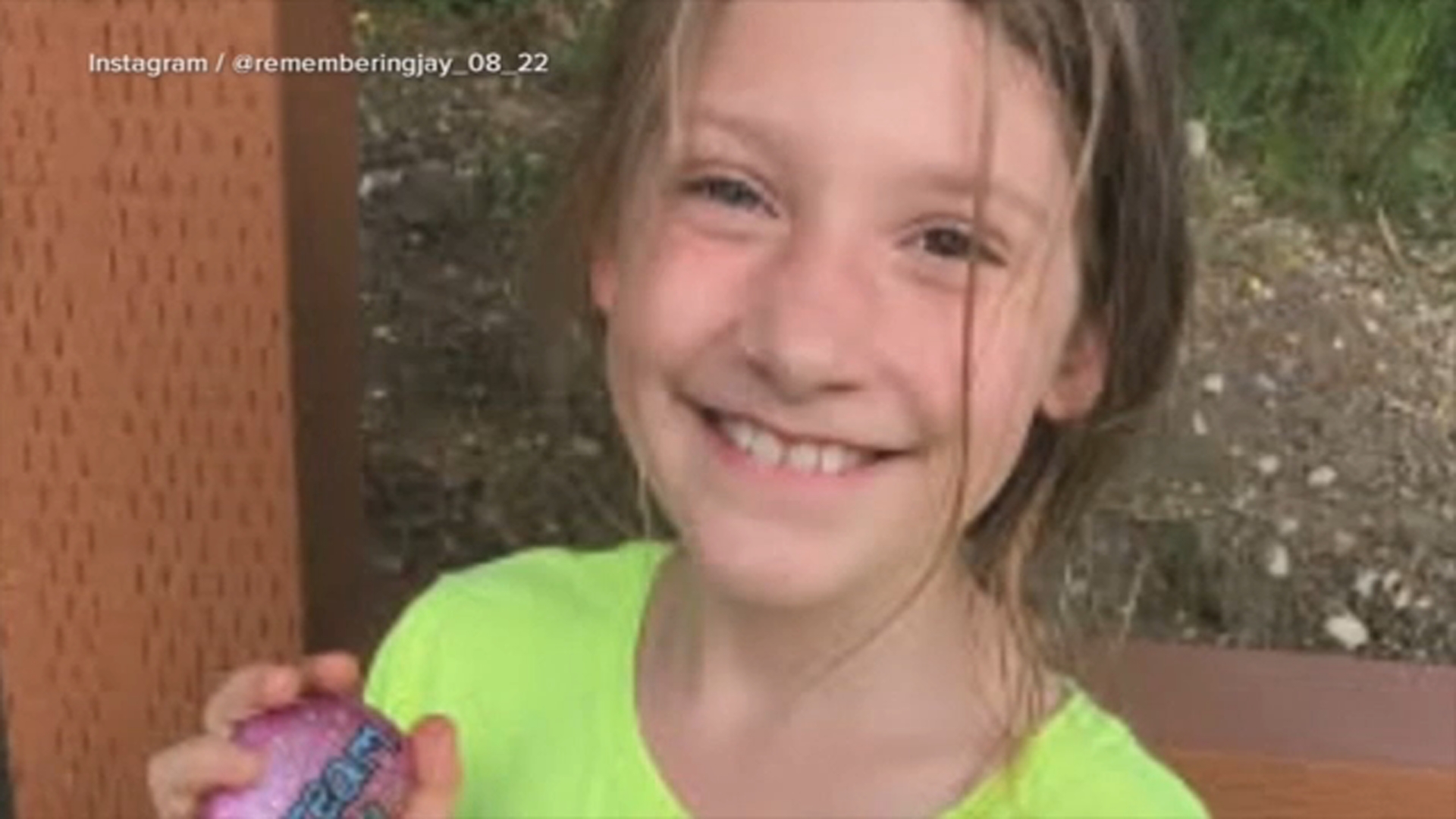
In the six months since our investigation, the FBI says cases involving the violent network continue to grow and have devastating consequences. Leslie and Colby Taylor lost their 13-year-old son Jay to suicide after authorities say a member of the global network known as 764 pushed him to take his own life.
Leslie Taylor adds, "They took advantage of Jay's loneliness and his kindness, and then they completely preyed on his insecurities."
In May, our investigation in collaboration with ABC News revealed that the FBI was conducting 250 investigations across the country tied to 764 and similar networks. In the six months since, the FBI confirms its investigations have grown to more than 350. The National Center for Missing and Exploited Children says this year alone, it's on track to receive nearly 2,000 reports of abuse tied to 764 or similar online networks, much of it starting on popular online platforms.
As for the Taylors, they say they're now fighting for accountability from lawmakers and also online platforms to have more protections in place to prevent a network like 764 from getting access to teens.
"I couldn't live with myself not making this personal now. I'm making it public. Because if I read a story like Jay's, after Jay's passed, we failed Jay in this endeavor in some ways," Colby Taylor adds.
What can parents and children do?
The FBI says children need to understand that an inappropriate image or video is completely out of their control as soon as they hit send. The agency suggests that parents make sure their children understand they are not to blame if they fall victim to a predator of any kind. These perpetrators are smart and patient, and master manipulators.
Parents are the first line of defense. The FBI encourages parents to take the time to understand the devices and applications your child is using and talk to them about what they are doing online and who they are communicating with. Children are very savvy at technology, but they lack experience in the real world. The FBI says to make sure kids know that anyone on social media they have not met in person is also a stranger. Criminals can pretend to be anyone they want to be online. Just because their friends are friends with them doesn't make them a real person.
The FBI also suggests parents know their kids' usernames and passwords. It's not a privacy issue; it's a safety issue. A representative with the FBI adds, "The FBI leverages our counterterrorism and crimes against children expertise to counter this growing problem. We are providing training in all our field offices. The FBI must be agile in recognizing threats that are increasing and applying the appropriate resources. We are working closely with our law enforcement partners both in the United States and overseas on what these criminal actors are doing and how we can identify and hold them legally accountable."
How do you report this?
If your child is a victim, don't delete anything on their phone or social media accounts before law enforcement is able to review it for evidence.
If anyone feels they are in imminent danger, they should call 911 and report it to their local police department. You can also call your local law enforcement agency or contact the FBI at (800) CALL FBI or tips.fbi.gov.
*Attached video is from previous story*