North Carolina reports first West Nile virus case of 2026

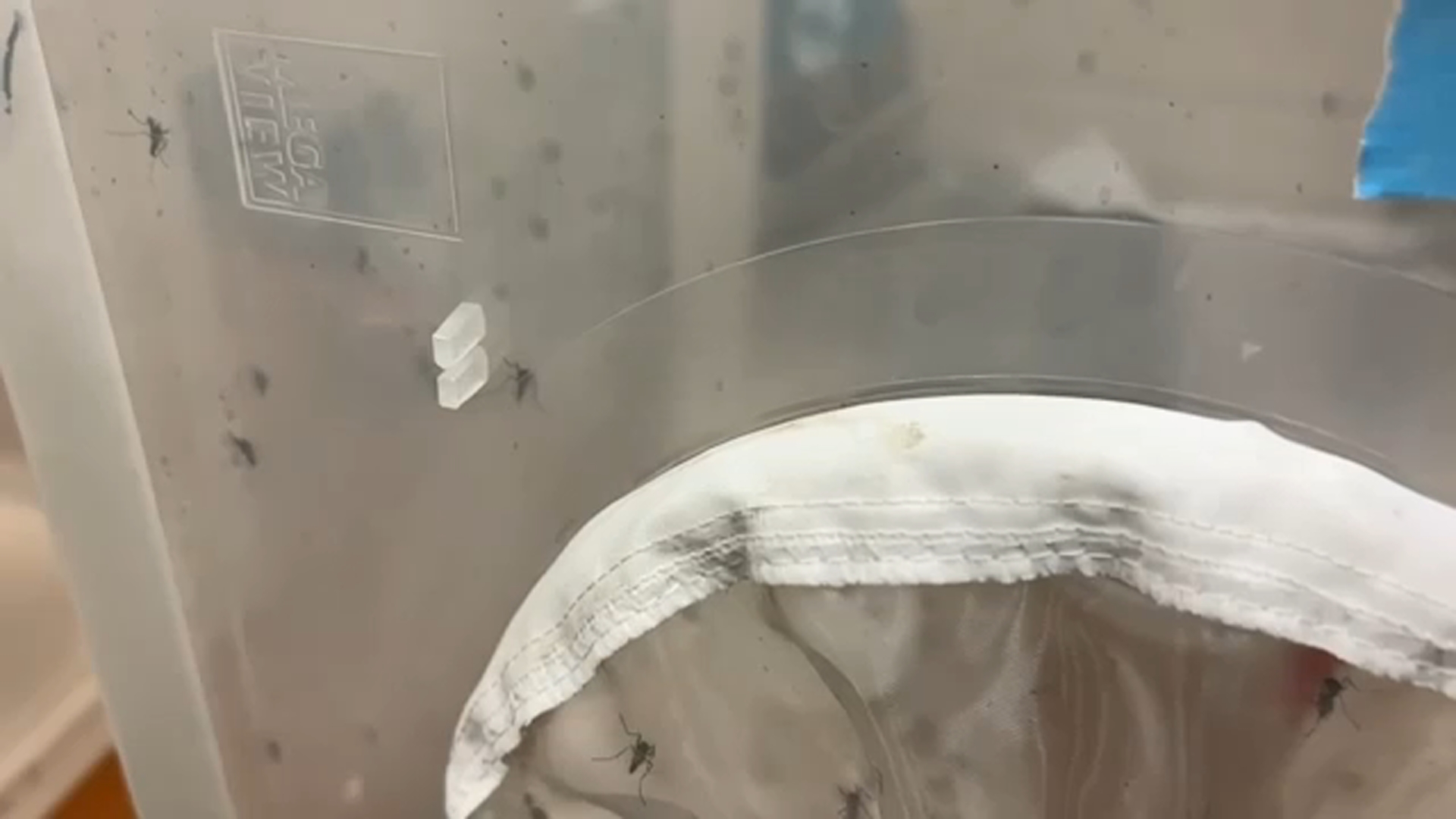
RALEIGH, N.C. (WTVD) -- Recent reports have identified the first human West Nile virus-related illness in North Carolina this year, and the North Carolina Department of Health and Human Services is sharing tips to help residents protect themselves from mosquito bites.
According to NCDHHS, a Gaston County resident was diagnosed with the state's first reported case of West Nile virus in 2026.
Health officials also detected the virus in a blood donor from Mecklenburg County through routine screening. Neither individual was identified.
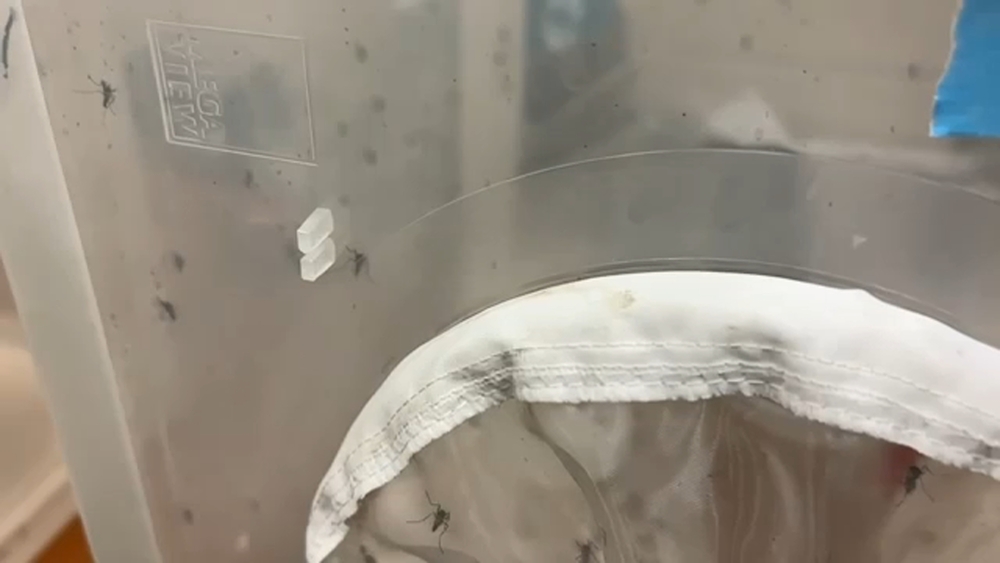
The NCDHHS State Laboratory of Public Health found West Nile virus in mosquito samples collected during July in Cabarrus, Forsyth and Mecklenburg counties. Officials said the positive mosquito tests were reported earlier in the summer than is typically seen, suggesting the virus is circulating sooner than usual.
"This is the time of year when West Nile virus activity usually increases across our state," said Michael Doyle, NCDHHS public health entomologist. "These early indicators in the greater Charlotte area highlight the importance of preventing mosquito bites all over North Carolina."
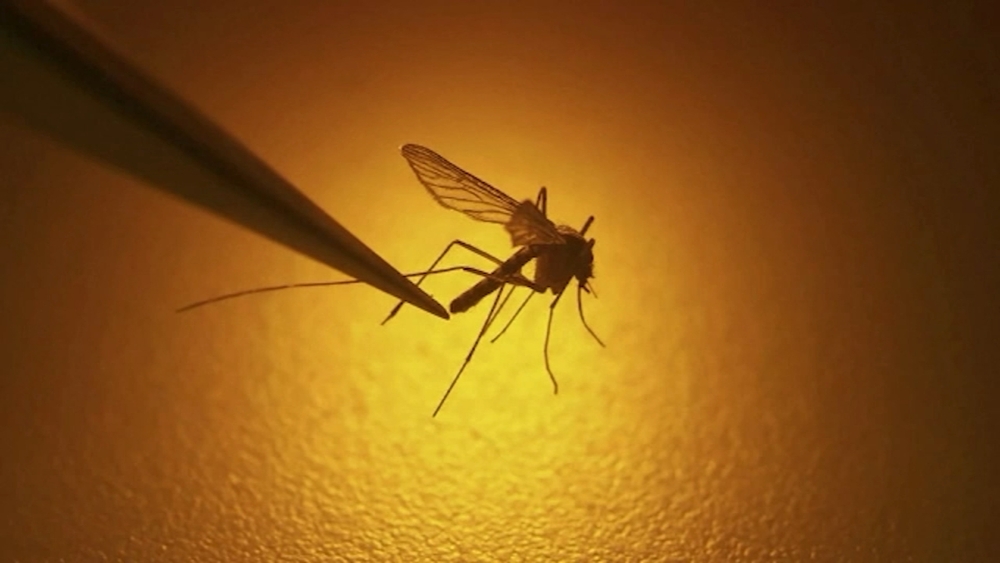
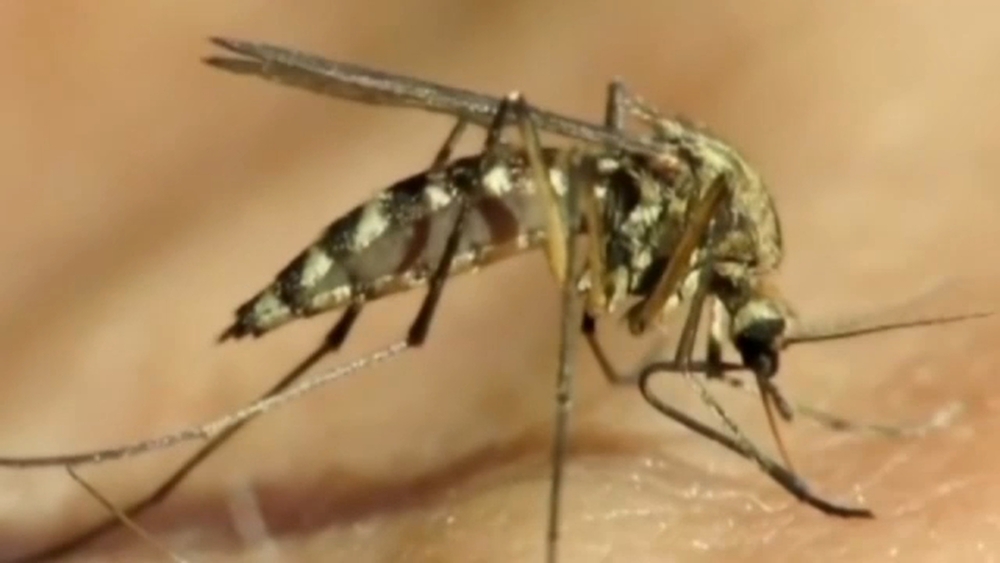
West Nile virus spreads to people through the bite of an infected mosquito after it feeds on infected birds. The virus does not spread from person to person.
According to health officials, most people infected with West Nile virus do not develop symptoms. About 20% of people may experience symptoms such as fever, headache, body aches and joint pain.
In rare cases, the virus can cause serious neurological illness. Symptoms of severe infection may include high fever, severe headache, neck stiffness, disorientation, seizures and paralysis.
Older adults and people with weakened immune systems face a higher risk of severe illness.
While there is no vaccine or specific treatment for West Nile virus, there are steps residents can take to reduce their risk of mosquito bites.
Health officials recommend:
- Using EPA-registered insect repellent and following label directions.
- Applying repellent, especially after sunset when mosquitoes are most active.
- Emptying standing water around homes, including flowerpot saucers, buckets, toys and old tires.
- Changing water in birdbaths and pet bowls at least twice a week.
- Cleaning gutters and ensuring proper drainage.
- Covering rain barrels with tight-fitting lids or screens.
- Treating standing water with EPA-approved larvicides when appropriate.
- Draining puddles and other standing water that remains for several days after rainfall.
- Keeping window and door screens in good repair.



Mosquitoes most commonly associated with West Nile virus are active between dusk and dawn.
Download the ABC 11 news app | ABC11 North Carolina Apps for Connected TV, Mobile News, Echo