Expert tips to avoid falls and injuries in winter weather


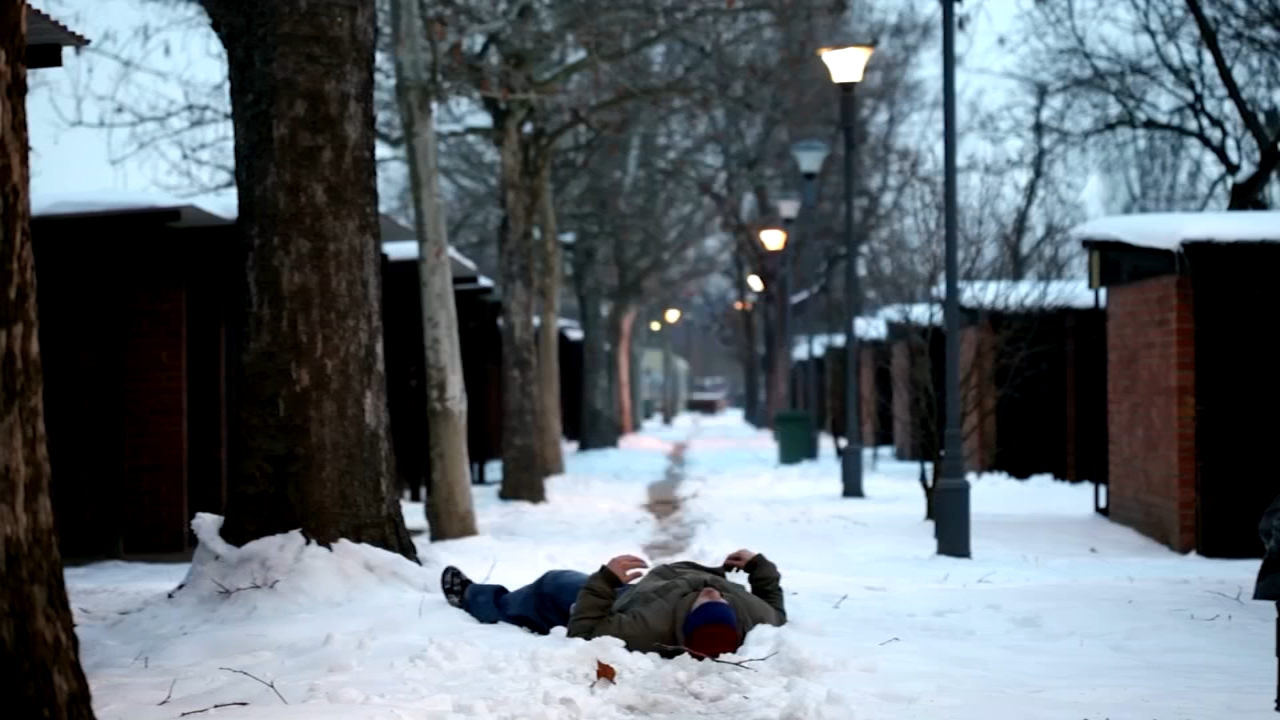
Winter weather can be picturesque, but ice and snow often lead to dangerous slips, trips, and falls.
Dr. Jay Levin, Shoulder & Elbow Surgeon at Duke Health, said that winter weather contributes to increased falls.
"A lot of it's based on the weather," he said.
According to the Centers for Disease Control and Prevention (CDC), over one million adults are injured in the U.S. every year due to slips and falls. The injury rate increases significantly as temperatures drop.
"It can be really dangerous for patients," Dr. Levin said. "And we see falls and they can create issues like hip fractures, rotator cuff tears, fractures of the arm or ankle."
To reduce the risk of winter falls, Dr. Levin recommends the following:
- Keep hands free for balance.
- Wear shoes with good traction and rubber soles.
- Move slowly on potentially slippery surfaces, such as sidewalks or when exiting vehicles.



SEE ALSO: Can cold weather cause aches and pains? Here's what experts say
The angle of the sun also plays a role. In winter, the sun's low angle can create uneven melting patterns. For example, south-facing areas may melt faster than shaded north-facing ones, leaving ice or snow in place longer.
Those with mobility aids like canes, walkers, or wheelchairs, as well as individuals with balance issues or leg weakness, are at higher risk.
"We try to really keep a close eye on those patients," Levin said.
If a fall causes difficulty standing or lifting an arm, Dr. Levin recommends seeking medical attention promptly.
"If we treat people early on after a fall, we can help them right away," he said.