Fayetteville PD issues warning after 4 fentanyl deaths in three days; resources that can help


FAYETTEVILLE, N.C. (WTVD) -- The Fayetteville Police Department is sounding the alarm after a recent spike in suspected fentanyl overdoses, with officials warning that the city has already matched last year's total of fatal overdose cases just halfway through the year.
After four fentanyl deaths in just three days, local officials are raising concerns.
"One pill can kill. And unfortunately, your first time taking it could be your last," said Hannah Sloan, public information specialist for the Fayetteville Police Department.
By the Numbers: Overdose and Narcan Data
Fayetteville reported 24 fatal overdose cases in all of 2025.
As of mid-2026, the city has already matched that total, a concerning development for local officials.
Fire department data shows:
- In 2023: 516 overdose calls, 293 doses of Narcan administered
- In 2024: 424 overdose calls, 209 doses of Narcan administered
- In 2025: 217 overdose calls, 85 doses of Narcan administered
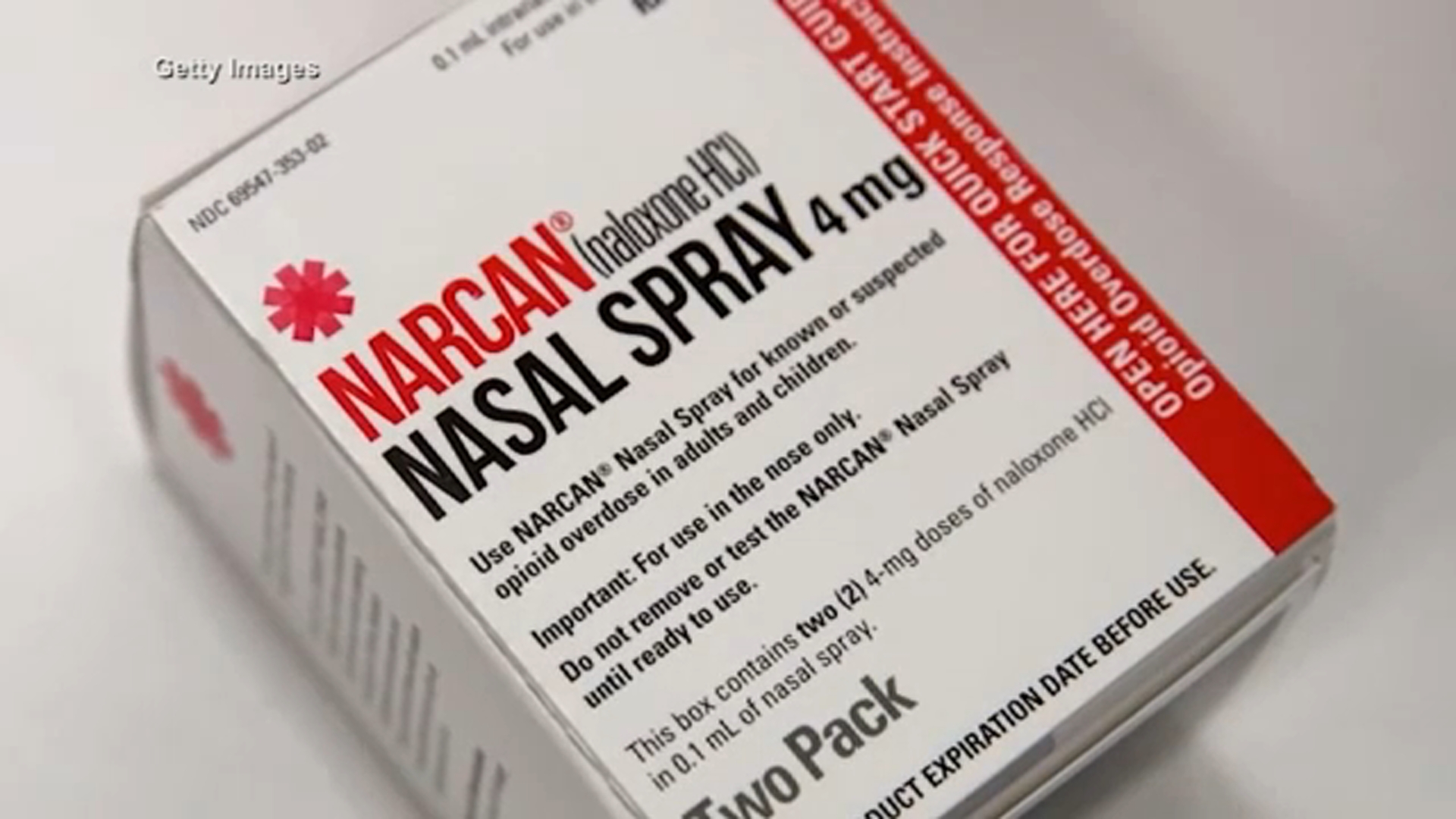
A major policy shift occurred in 2023, when the FDA approved Narcan nasal spray for over-the-counter use.
"So you can take this out, use the plunger, put it in their nostril and inject the medicine nasally. And it will, if it is an overdose, it will help counteract the effects of the drugs," said Fire Department PIO Stephen Shakeshaft. "What you want to look for is respiratory depression. So they're not breathing appropriately, snoring or heavy wheezing with short breaths."
Treatment providers see ongoing need
Despite the overall drop in overdose calls in recent years, this year's spike in fatalities is raising new concerns among local officials and treatment providers.
"They overdosed, and they go back, and they go back, and they go back; we've got to try something different," said Norma Negron-Bynum, CEO of Renew Counseling, who has worked in the community for 14 years. "For the medication management part, there are over 400 active clients. We're seeing an average of maybe one or two, one or two a week more than what we used to."
Renew Counseling provides mental health and substance abuse treatment, including strict Suboxone medication-assisted treatment.
"We are very strict with our Suboxone program. So we have, we drug test them. If they don't give us a sample, they don't get the prescription."
Though there is no single reason for the increase, officials agree the issue is complex and evolving.
"This is unregulated. This is illegal drugs that are being obviously made by someone else, not in a pharmacy. So they can be mixed with other drugs, and they can be mixed with anything. You don't know how your body's also going to react to that," Sloan said.
So far, police believe the recent overdose deaths are not connected, but investigations are ongoing.
Need Support? Connect with a Peer Support Specialist
Peer Support Specialists (PSS) are individuals who have lived experience with mental illness and/or substance use disorder and provide support to others who can benefit from their experiences.
A certified peer support specialist is an integral part of the Recovery Center Team. The PSS is available to assist you in connecting with local treatment resources, developing new skills, finding housing, transportation, and employment resources.
Call (910) 321-6487 to connect with a Peer Support Specialist.
Join a Recovery Group
Self Management and Recovery Training (SMART) is an evidence-informed recovery method. SMART is a transformative approach that helps individuals transition from addictive substances and negative behaviors to a life of positive self-regard and a willingness to change.
Free SMART Recovery Groups are offered at the Center on
- Tuesday: 4 p.m. - 5 p.m.
- Wednesday: noon - 1 p.m.
- Thursday: 5 p.m. - 7 p.m.
For other SMART Recovery Groups in Cumberland County, please click here.
Get Naloxone
Naloxone is a life-saving medication that can reverse an opioid overdose, including heroin, fentanyl and prescription opioid medications, when administered promptly.
Naloxone is provided free of charge at the recovery center. Organizations that are seeking a supply of naloxone for their clients/patients should contact the Cumberland-Fayetteville Opioid Response Team (C-FORT).
For additional naloxone locations, please click here.
Connect with a Treatment Provider
Local treatment providers will be available to meet with individuals about enrolling in treatment or continuing success in their current recovery journey.
Click the calendar for a schedule of office hours.
Connect with NC Harm Reduction
North Carolina Harm Reduction staff support overdose prevention, post-overdose response, syringe service programs and linkage to care.