NC farmers and workers prepare for extreme heat amid ongoing drought


HARNETT COUNTY, N.C. (WTVD) -- Working in the heat is routine for many agricultural workers, but persistent triple-digit temperatures are creating growing concerns for both crops and the people tending them.
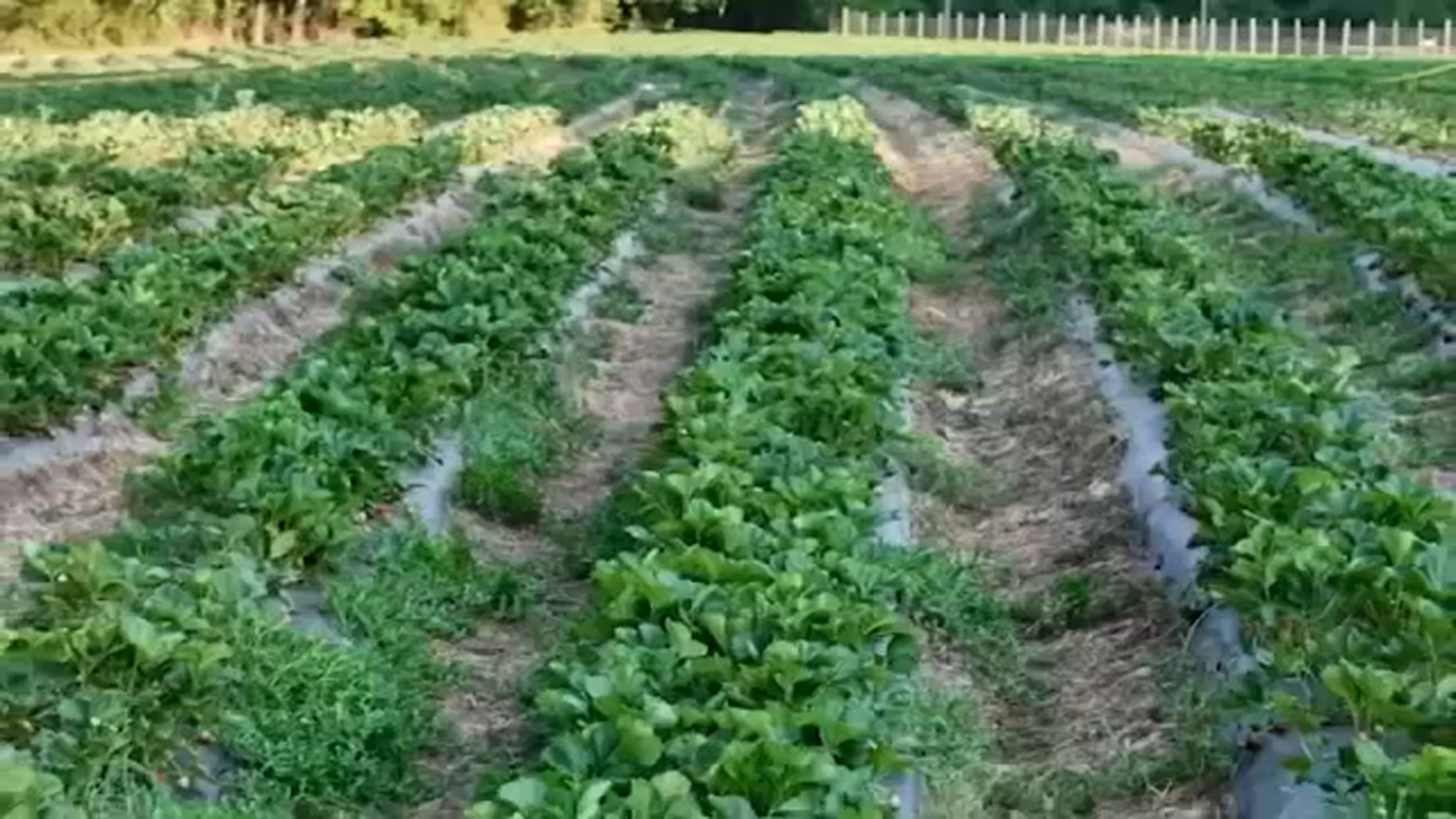
At Revels Farms in Harnett County, summer heat is nothing new. Farmer Kent Revels said high temperatures have long been part of the job, recalling past extremes.
"And to give you just a little retrospect, in 1952, when my oldest brother was born, my daddy was priming tobacco. And back in it for you right there, it was 106, and it was in July. So, I mean, of course, 74 years ago. So it's been hot," Revels said.
But this year's conditions have proven especially difficult, with both record heat and ongoing dryness affecting crop growth. Fields planted just two months ago are showing signs of stress.
"But nothing. Nothing like what we need. So seeing this sprouted up here, this is like, I mean, it's grown a little bit, but this is not where it should be at this time," Revels said.
The extreme temperatures are also forcing changes in how work gets done. Revels said he and his workers are taking caution to avoid the most dangerous parts of the day.
"And it's going to be tough on people. But you know, we just got to, you know, look at, you know, we're going to try to be careful and, and not work in the very hottest part of the day. ... Because obviously it ain't worth anybody getting sick or too hot," he said.
Safety advocates warn that prolonged exposure to high heat can quickly become dangerous.
NC Field, an organization that supports farm workers in eastern North Carolina, is working to address those risks.
"Because, to be honest, I think that every worker deserves the right to be able to come home safely regardless of where they work," said Yesenia Cuello of NC Field.
The group is training workers to recognize early warning signs of heat-related illness and respond appropriately.

"Making sure that workers, especially farm workers that work outside, know what the stresses, what is a heat stroke. How to recognize it? Not only in themselves but in each other. What information to know if there is an emergency?" Cuello said.
With little relief in sight, farmers remain concerned about the months ahead. Revels said the prolonged lack of rain could have lasting consequences for this year's harvest.
"Probably not going to be a very good year unless we can get some water in the immediate future," he said.
Revels added that the area has been unusually dry since August, compounding the effect of recent heat waves and leaving farmers and workers hoping for a break in the weather.