NC immigrant advocates, legal experts react to SCOTUS ruling on birthright citizenship challenge


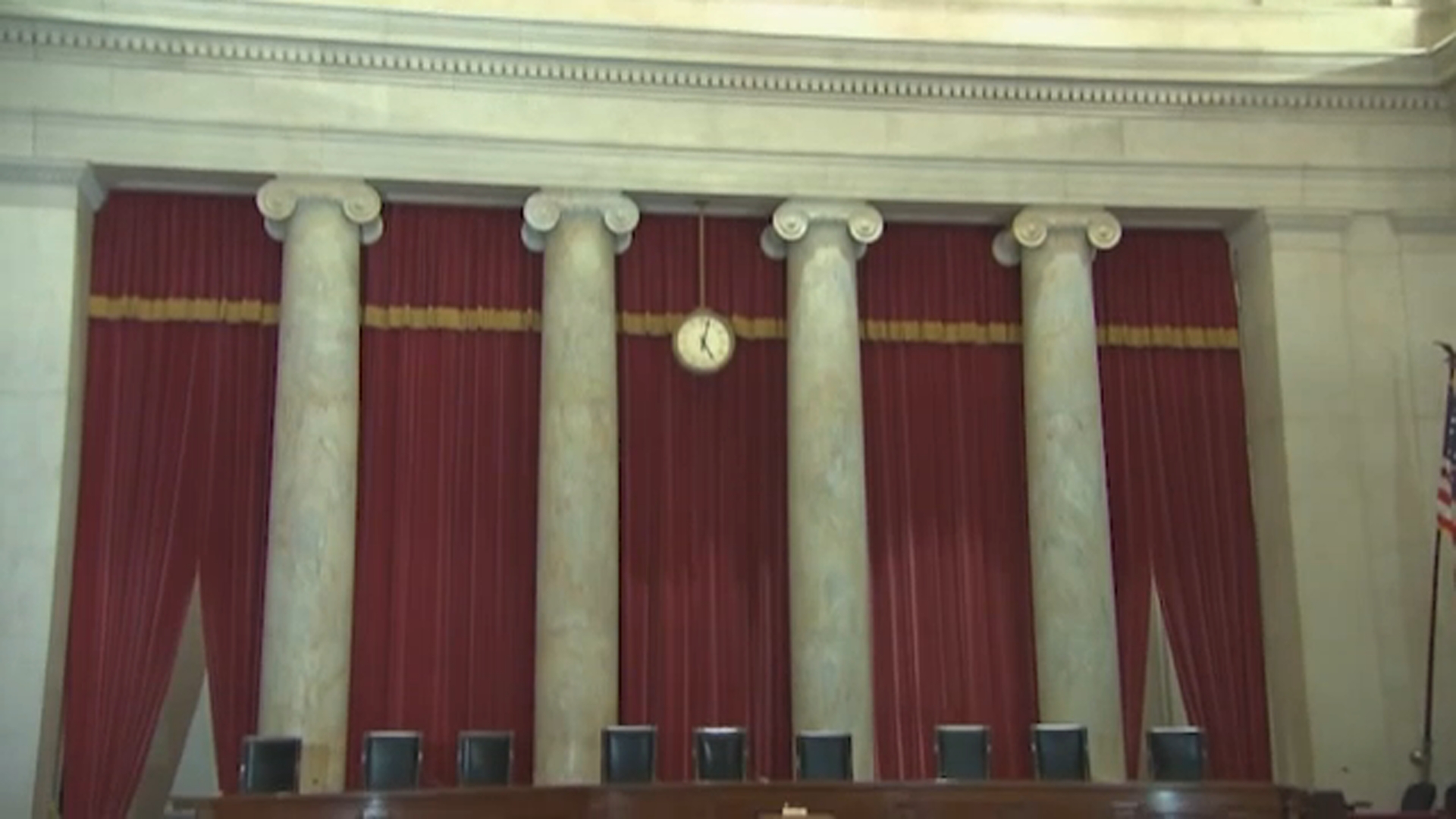
RALEIGH, N.C. (WTVD) -- North Carolina immigration advocates and law experts are reacting to the U.S. Supreme Court's decision Tuesday to uphold the 14th Amendment's guarantee of birthright citizenship, rejecting a 2025 executive order from President Donald Trump that sought to end those protections.
In a 6-3 ruling, the nation's highest court affirmed that the amendment, which grants citizenship to anyone born on U.S. soil, remains in force as written.
Marc Simon of the Triad Haitian Community Association said the debate itself has caused fear among some immigrants.
"We shouldn't have had that debate to begin with," he told ABC11.
Simon said many in his community worried that the executive order could strip away longstanding constitutional rights.
"They think the president is king and he can do anything he wants to do. That's what makes them panicking," he said.
North Carolina elected officials also weighed in. Rep. Deborah Ross, a Democrat, said in a statement that the effort to end birthright citizenship "was among its most extreme attempts to ignore the plain text of the Constitution and divide Americans based on who they are and where they come from. Today, the Court rejected that effort."
From the White House, President Trump wrote on Truth Social, "The Supreme Court upheld birthright citizenship, which is too bad for our country, but we can easily make it up in Congress through legislation with the support of the President, that has not been determined during this process."
The 14th Amendment was intended to address the status of descendants of enslaved Africans and was ratified in 1868 after the Civil War. Proponents of limiting birthright citizenship argued that the amendment should not extend to temporary visitors or those in the country unlawfully, but the Supreme Court did not agree.


Elizabeth Lane, a political science professor at NC State University, said the Court's approach was notable.
"I think that it's significant that they did make this decision on constitutional grounds when they could have made it on statutory grounds," she said.
Congress later codified the wording of the 14th Amendment in federal citizenship law in 1940.
In his dissent, Justice Brett Kavanaugh wrote, "Congress could amend or otherwise enact new legislation establishing exceptions to birthright citizenship for children born to foreign citizens unlawfully or temporarily in the country. But Congress has not done so yet."
The possibility of future legislative changes has left some advocates uneasy.
"While I'm certainly glad to see that the court has protected the legal status of newborns, federal and state policies are still leaving parents very vulnerable," said Andreina Malki of Siembra NC.
The ruling ensures birthright citizenship remains unchanged for now. However, many across the country, and in North Carolina, said they will continue watching what happens next.