NC State University files lawsuit against chemical company over PCBs found in Poe Hall


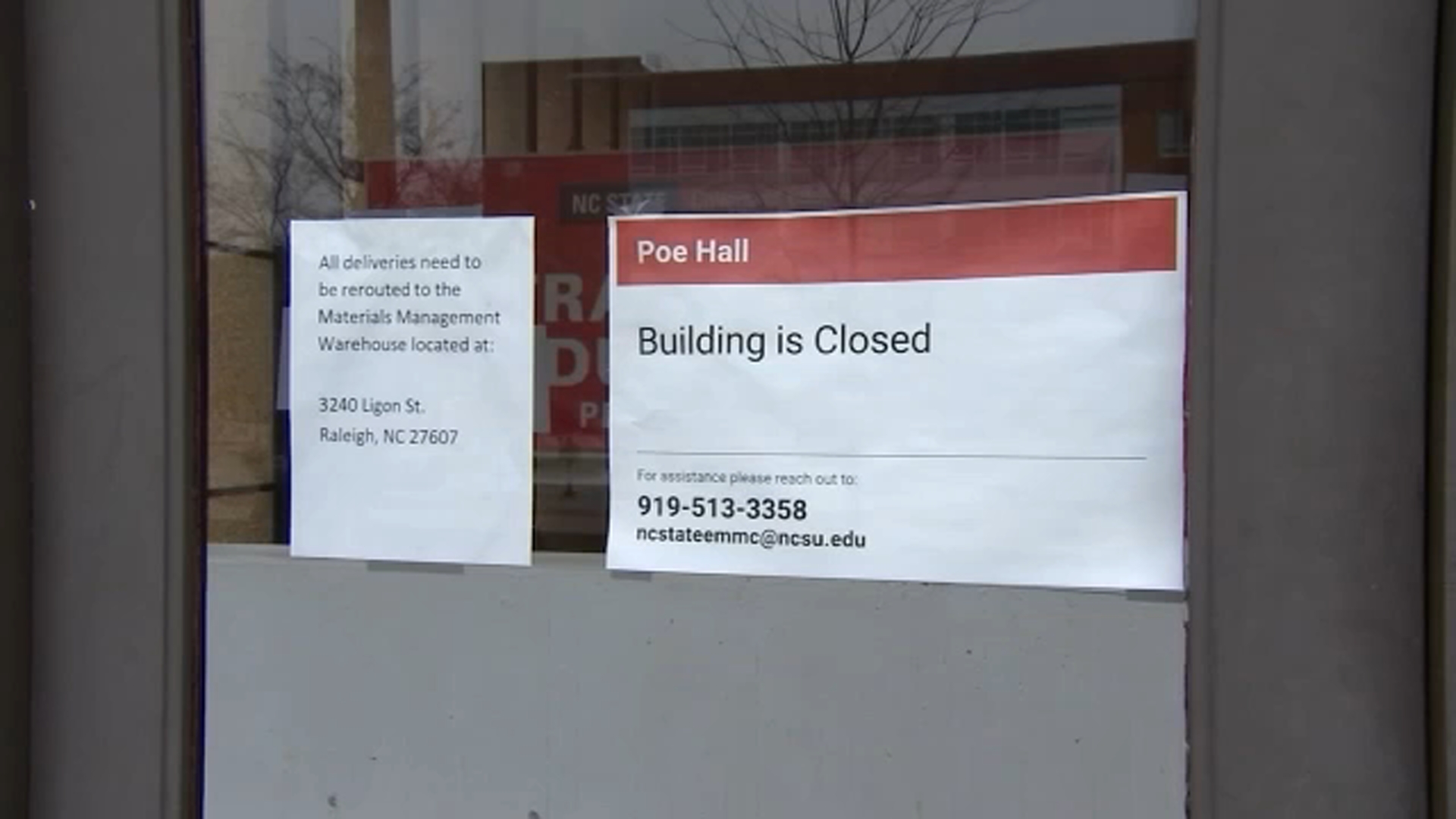
RALEIGH, N.C. (WTVD) -- North Carolina State University has filed a lawsuit against chemical company Monsanto over PCBs found in Poe Hall.
The university alleges Monsanto manufactured and furnished the PCBs used in building materials to construct Poe Hall in 1971 and marketed the PCB mixtures as non-toxic.
Poe Hall was closed in November 2023 when PCBs were found, setting off an investigation by the federal government. PCBs are toxic chemicals that have been linked to an increased risk of diseases, including cancer.
The lawsuit states that the EPA acknowledges the toxicity of PCBs, and expert analysis indicates that Monsanto's PCBs were disseminated through the building's HVAC system. The school claims Monsanto knew then that its marketing claims were false.
The lawsuit is seeking damages for the hundreds of millions of dollars it will cost to remediate Poe Hall, as well as punitive damages and attorneys' fees.
It also seeks to hold Monsanto responsible for any possible future liability that may arise from personal injury claims.
NC State University Chancellor Kevin Howell said, "Since I joined as chancellor in May, a vacant, contaminated instruction hall that has caused much concern and worry for many has been sitting idle and must be remediated. This lawsuit is about responsibility and accountability for the cleanup of this building, so we can get our students back to learning. In the meantime, along with concerned students, faculty and staff, we eagerly await the results of the pending NIOSH report."
Monsanto sent the following response to the lawsuit:
"The Company believes these claims lack merit and will respond in court in due course. Monsanto discontinued its production of bulk industrial PCBs nearly five decades ago, conducted hundreds of studies on PCB safety, and provided appropriate warnings to its sophisticated industrial customers based on the state of the science at the time. Furthermore, any PCB-containing building products used in Poe Hall or other buildings on campus were manufactured, sold and installed by sophisticated third-parties, and maintained by the University."


ABC11 spoke with an expert in environmental law. UNC law professor Donald Hornstein said NC State likely has a strong case, since PCBs have been successfully challenged in court before.
"It's like a tiger, if you bring a tiger into the neighborhood, if it gets out, it doesn't matter what precautions you took. You're liable. It's intrinsically dangerous and hazardous," Hornstein said. "PCBs are like a tiger, according to the allegations made by NC State."
It is worth noting that this case only applies to the building and the cost to clean it up.
Many other victims who claim they got sick from exposure have their own lawsuits, which aren't related to this one.
But Hornstein said that if this case is successful, it could be good news for them, too.
"This lawsuit is going to be, to some extent, a referendum on PCBs. As to the other lawsuits by the individuals of they will have they have they have good attorneys on their sides. And they will have evidence on their sides, but they will have to then prove that they are particular ailments were caused by this exposure," Hornstein said.