Triangle law professors weigh in as Supreme Court upholds states' authority on mail‑in ballots


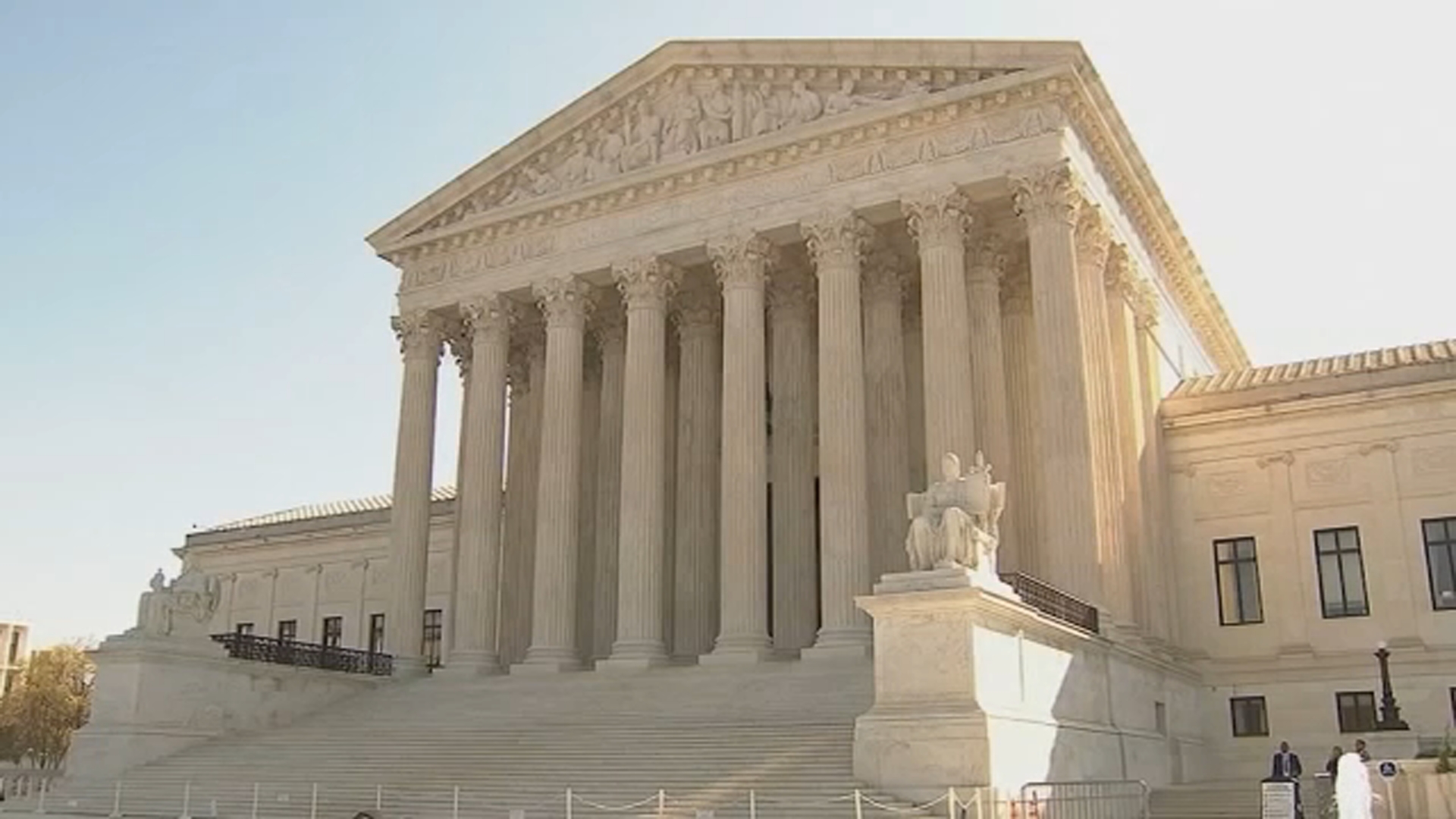
RALEIGH, N.C. (WTVD) -- The U.S. Supreme Court on Monday ruled that states may continue counting certain mail-in ballots received after Election Day, a decision that preserves Mississippi's existing election law and rejects arguments that those ballots should not be counted at all.
The case -- Watson and the Mississippi Secretary of State v. Republican National Committee -- focused on whether ballots postmarked by Election Day but arriving later should be included in vote totals. UNC Chapel Hill law professor Ted Shaw said the justices addressed a narrow but significant question.
"That's the only question that was presented here. So it was a rather narrow question," he said. "And they did vote by Election Day. There's nothing fraudulent about that."
In a 5-4 decision, the Court allowed Mississippi's law to stand, a move Shaw described as a win for voting rights advocates. "That's a victory for those who advocate for the right to vote and to participate in democracy," he said.
The Court wrote, "While Congress has set the date by which absentee ballots must be cast, States have the power to set the date by which they must be received."
The North Carolina State Board of Elections told ABC11 that the ruling does not change how elections are administered in the state.
ALSO SEE | Trump's power, birthright citizenship, among cases Supreme Court will rule on this week
Steven Greene, a law professor at North Carolina State University, said the opinion directly challenges claims from the Trump administration that ballots arriving after Election Day are fraudulent. President Trump called the ruling "a tremendous loss."
Greene said there is no evidence supporting concerns about late-arriving ballots.
"There's no evidence whatsoever that ballots that come in after Election Day are any more likely to be fraudulent or any kind of problem," he said. "We all use the mail. You know, things can take a while sometimes."
In a statement, the NCGOP said, in part, "While the Court reaffirmed that states set the rules governing their own elections, the NCGOP will continue working to ensure every legal vote is cast and counted with confidence."
Shaw said efforts to restrict voting access will likely continue.
"I'm not saying this as a matter of partisanship. But we're going to see there's some people who don't believe that we should maximize political participation among those who are qualified to vote. And they're going to continue to try to limit who can vote," he said.
The ruling also reaffirmed that Congress may set the day for voting but does not have the authority to determine when election boards must receive ballots. Greene said the decision reflects basic realities of mail delivery.
"I think to most people that a ballot might take a few days to show up in the mail," he said.
North Carolina's existing rules remain unchanged: absentee ballots must be received by 7:30 p.m. on Election Night, while military and overseas ballots may arrive later if mailed by 12:01 a.m. on Election Day.