Could your next car repair cost more? Tariff threat raises concerns for drivers


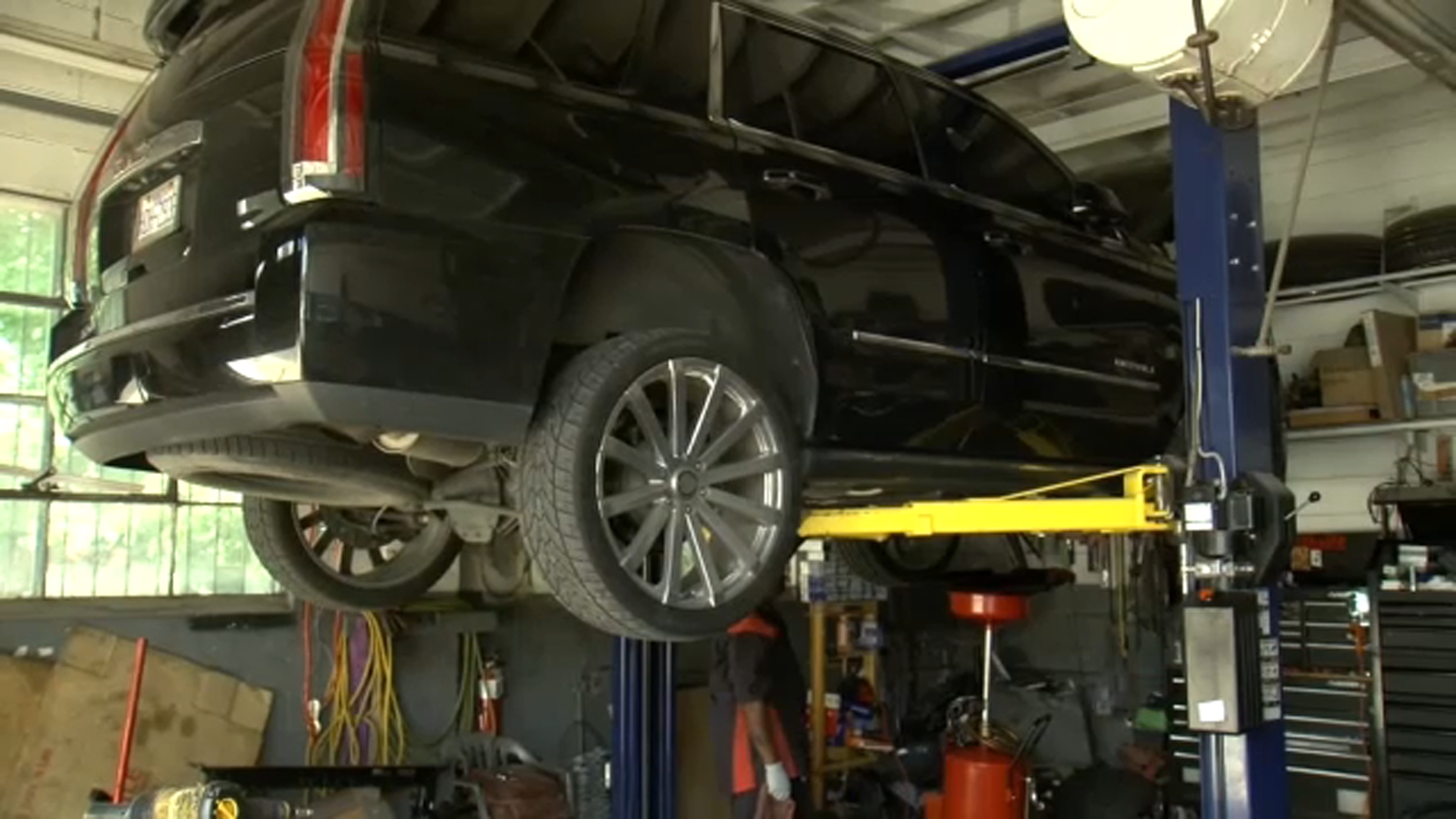
DURHAM, N.C. (WTVD) -- Keeping a car on the road is already becoming more expensive for drivers like Angelica Green.
"I'm finding that the prices have shot up from the last time I did a tune-up," Green said.
Green recently dropped off her vehicle at Uncle's Auto Shop for routine maintenance, a necessary expense she says she can't avoid.
"We know we need a car to go to work because you have to make the money, right?" she said.
Now, concern is growing over the potential impact of new tariffs on auto repair costs.
The U.S. and Canada are negotiating to reach a trade agreement before a midnight deadline.
If no deal is reached, President Donald Trump has threatened to impose 50% tariffs on $20 billion worth of certain Canadian products.
Keith Edwards, who runs Uncle's Auto Shop, said customers are already feeling the effects of rising prices.
"The prices are outrageous right now," Edwards said. "I've seen a standard part might be $70 or $80. Now it's $120 or $130."
Edwards said some parts have doubled in price, forcing some customers to look for cheaper alternatives online.
"I tell them you can buy off Amazon if you want, but I don't guarantee the quality," Edwards said. "Price-wise, I understand. Everything is rising in price."

If the proposed tariffs take effect, Edwards said drivers could face even higher repair bills, particularly for parts made from steel, aluminum and copper.
"Overall, prices are rising faster than wages, and so that is really hurting consumers' purchasing power," said Dr. Gerald Cohen of the UNC Kenan-Flagler Business School. "It could be another pain point for consumers overall."
Economists say drivers are already paying more at the gas pump, and higher repair costs could add to the financial strain. They note that about 15% of imported transportation goods come from Canada.
Consumers like Green said they would be forced to make adjustments if tariffs are imposed.
"Low maintenance on the car, low mileage on the car and less gas that we'll use," Green said.
The deadline for the U.S. and Canada to reach a deal is midnight Tuesday. Canadian Prime Minister Mark Carney said Monday he would not discuss details publicly, describing the negotiations as "very intense and delicate."