Think rain, groundwater and wind: How to protect your home during hurricane season


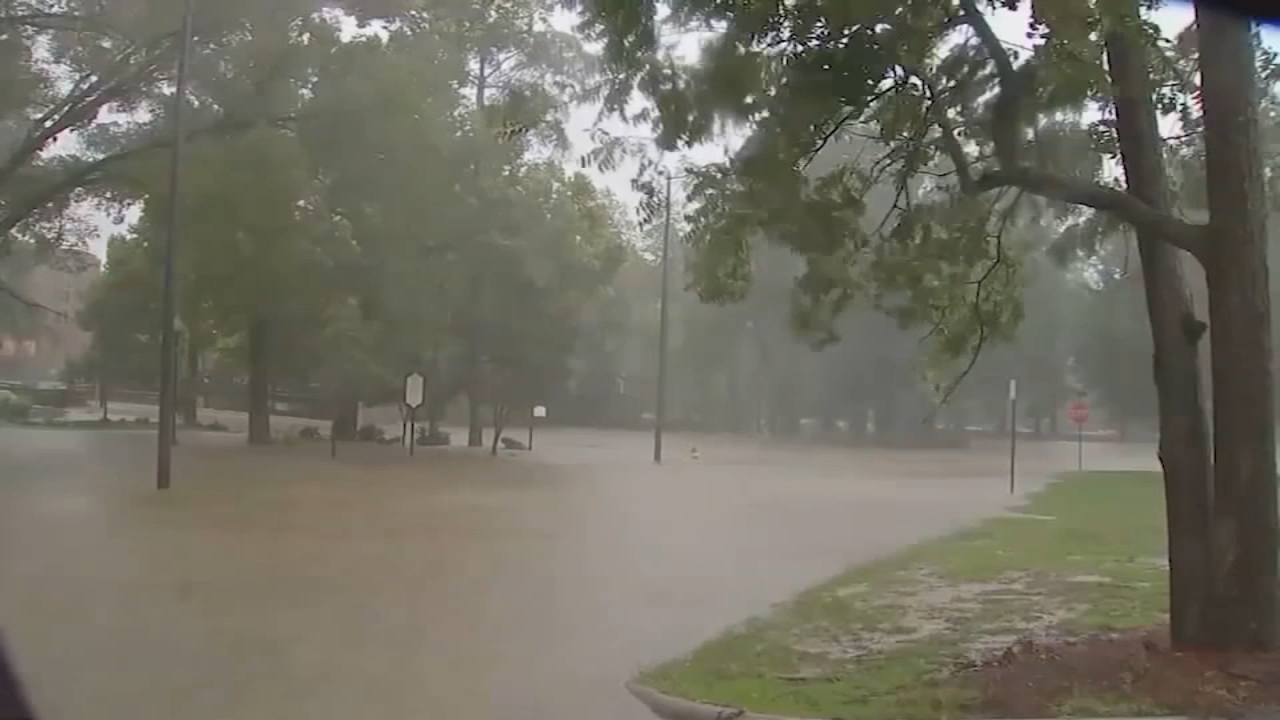
When Tropical Storm Chantal swept through the region, it turned a Durham backyard into a high-stakes convergence zone, sending a deluge of stormwater straight into a local home.
"The drainage from the city meets back here at this point," explained Diego Perez of United Water Restoration, pointing to the topography surrounding the property. "So all the water comes down the hill that way, down the hill this way, down the hill that way."
The combination of heavy tropical rainfall and a clogged backyard storm drain created a perfect storm. Water forged a direct path toward the house, with a significant amount easily rushing inside through a doggie door.
"There was about six inches of water in here," Perez said. "She called us. I immediately came over, put some pumps, sucked all the water out, and had to pull all the flooring off."
While property owners cannot prevent a tropical system or control its path, experts say there are proactive steps residents can take to minimize property damage and keep their homes safe.
SEE ALSO | NOAA expects below-average hurricane season in 2026
"During hurricane season, you gotta think rain, groundwater, and wind," Perez warned.
Secure the Exterior
Preparation starts with securing loose items around the perimeter of the home that could become dangerous projectiles in high winds.
"Anything that can fly, any patio chairs, anything like that needs to be secured," Perez said. "You can have somebody check your roof, check your gutters, check your windows, and overall look at the property."
Property owners should also look up to assess potential hazards overhead. Tree branches hanging directly over a roofline should be trimmed back before a storm hits to prevent structural damage from falling limbs.
Check the Foundation
In addition to looking up, homeowners must look down. Crawl spaces are particularly vulnerable during heavy downpours, often acting like a drain where rainwater pools beneath the structure. Perez recommends having these areas inspected regularly.


"Under your house you have electrical wires, you have pipes, you have other kinds of drainage," Perez said. "If you store items in the crawl space, those might get damaged. Those would absorb water, start to mold, and create a health issue in your home."
Maintain Nearby Infrastructure
Residents should also keep a close eye on neighborhood storm drains. Debris, leaves, and yard waste can quickly block these grates, forcing rising water into nearby yards and structures.
"Any water system can fail or be clogged," Perez noted. "The city's not going to stop by and maintain absolutely every drain. You can have a landscape company come in and tell them to clear it up."
Ultimately, physical preparation is only half the battle. Officials remind homeowners that standard insurance policies typically do not cover rising water. Without proper flood insurance, the financial cost of storm damage can quickly add up, leaving families with a long, slow road to recovery.
"I'm constantly telling people homeowner's insurance does not cover flooding, and that catches a lot of people by surprise," Perez said. "It caught this homeowner by surprise. She had to pay everything out of pocket."