Overdose remembrance event marks decade in Raleigh: 'There is hope'


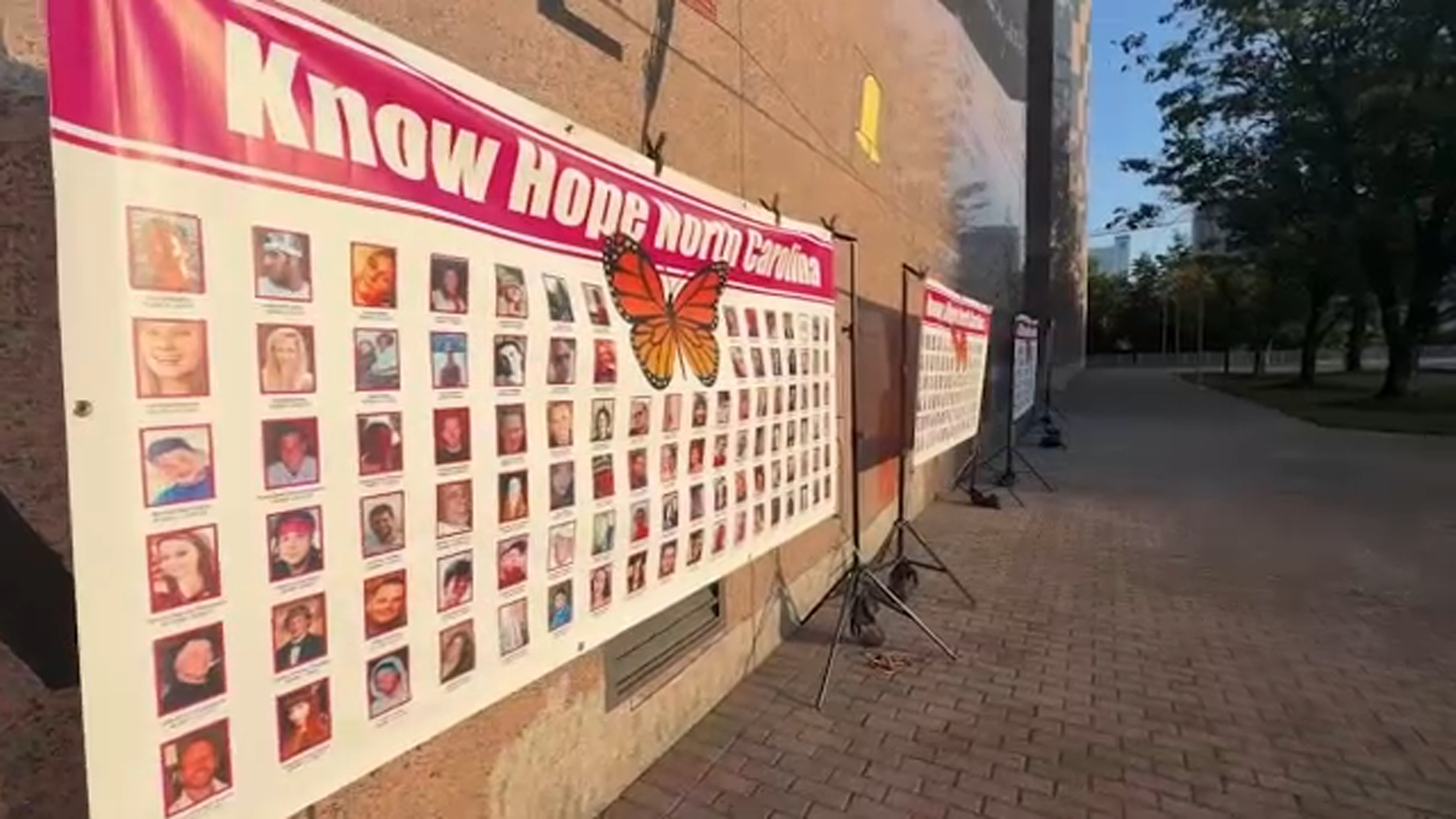
RALEIGH, N.C. (WTVD) -- Families, advocates and others gathered in Raleigh on Monday evening for a candlelight remembrance honoring lives lost to drug overdoses and highlighting ongoing efforts to prevent overdose deaths across North Carolina.
As the sun set, candles were lit in memory of those who died from overdoses. Organizers said each candle represented a life lost.
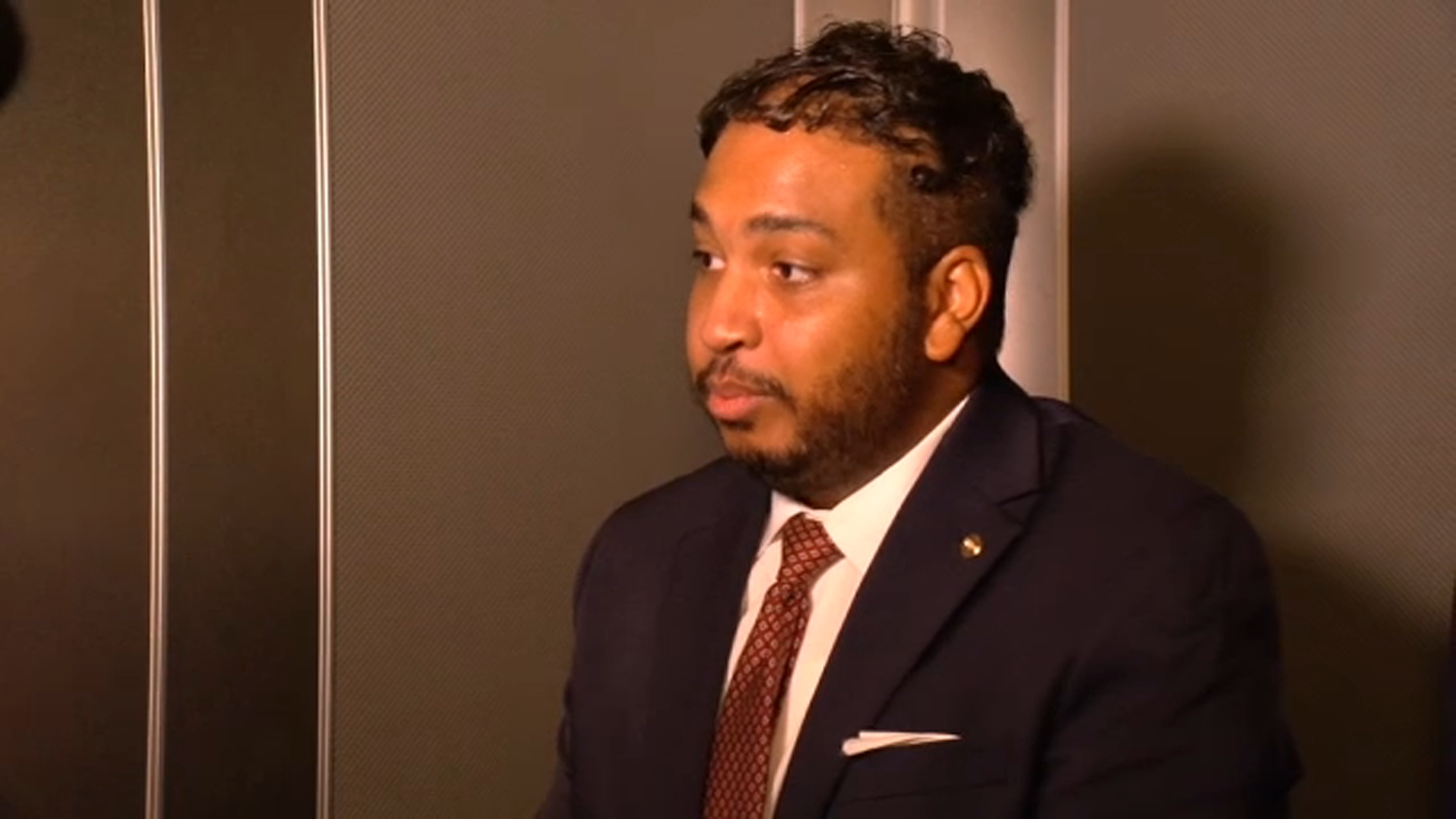
"Every child, every person lost is someone's child or someone's parent or someone's brother or sister," Randy Abbott said.
The stigma is changing because it's coming close to home. It may not happen in your family, but somebody right on your street.- Freida MacDonald
According to the North Carolina Department of Health and Human Services, more than 44,500 North Carolinians died from drug overdoses between 2000 and 2024.
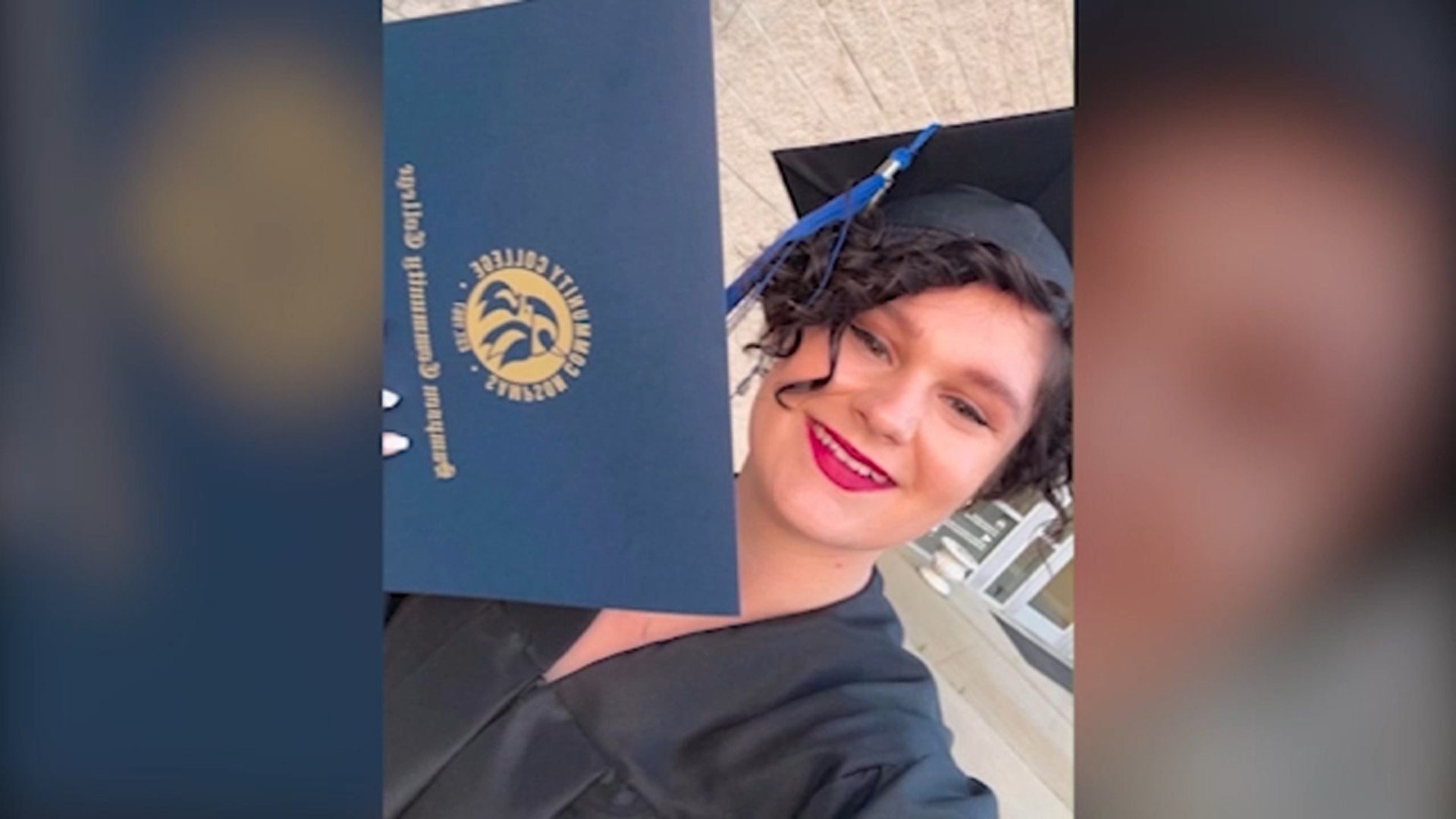
Abbott knows that loss personally. His daughter, Vanessa, died from a drug overdose in 2015 at age 24.
"There are days that it feels like it was a lifetime ago. And then there are days, and it feels like just yesterday," Abbott said.
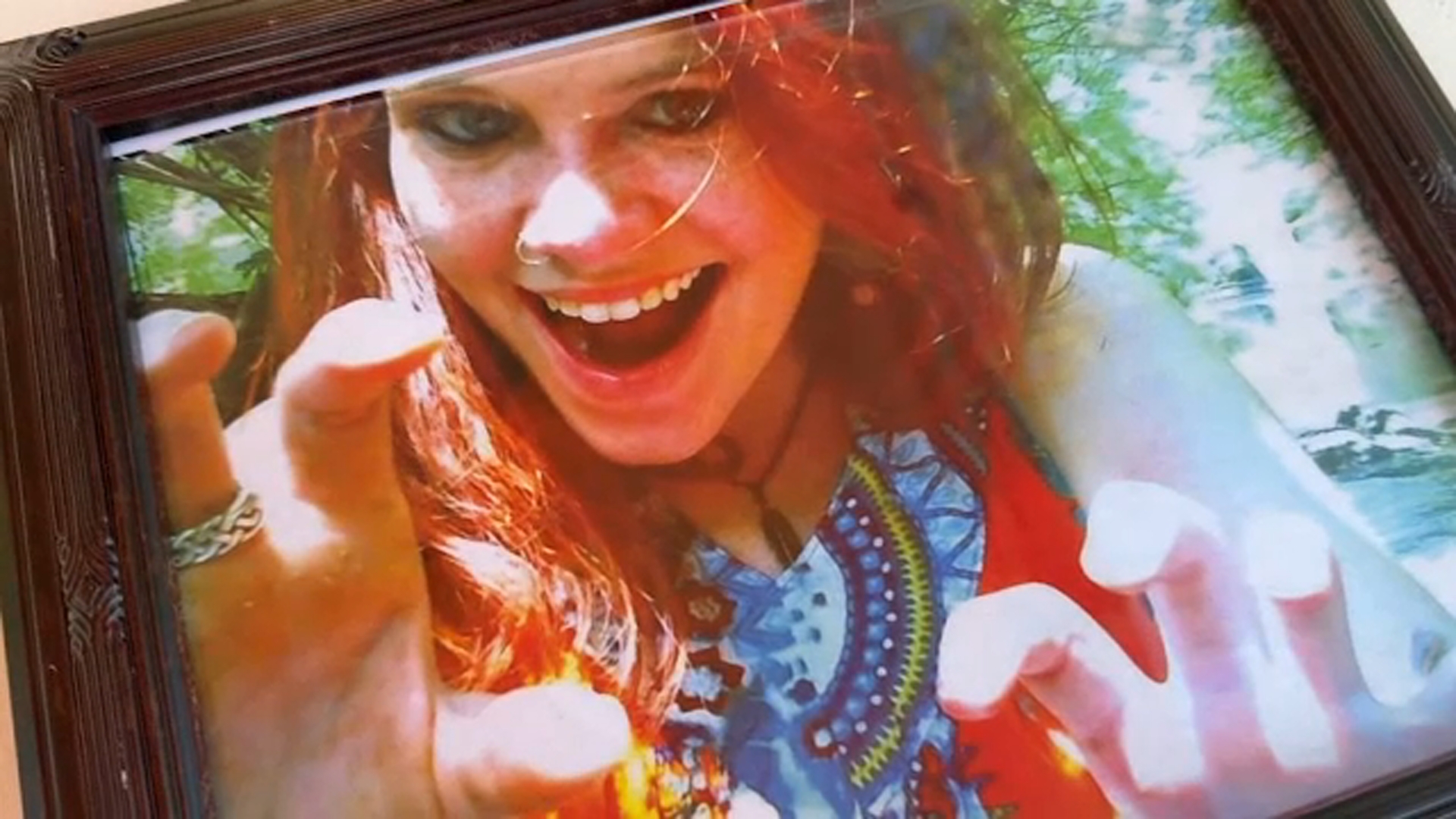
Following his daughter's death, Abbott created a space for families affected by overdose to come together, learn from one another and find support. What began as a grassroots effort grew into a statewide event.
"We were all appalled at the number of overdoses that occurred that first year," Abbott said.
For the past decade, families and advocates have gathered in Raleigh to share resources, discuss recovery options and remember loved ones lost to overdose.
Freida MacDonald has attended nearly every year.
"The stigma is changing because it's coming close to home. It may not happen in your family, but somebody right on your street," MacDonald said.
ALSO SEE | Lee County woman charged with death by distribution in fatal overdose case
MacDonald said loss also touched her family. She lost her sons four years apart, Stephen to gun violence and Michael to an overdose in 2016.
"When we lost Steven, it was a huge, huge loss for my younger son. We began to lose Michael when we lost Steve," MacDonald said.
Organizers and attendees also pointed to signs of progress in addressing the overdose crisis. According to the State Medical Examiner's Office, suspected overdose deaths in North Carolina have declined 23% compared with the same point last year.
MacDonald said Medicaid expansion, new medications and the availability of Narcan have helped reduce overdose deaths.
ALSO SEE | Fayetteville PD issues warning after 4 fentanyl deaths in three days
"There is help, there is hope, and I am going to do something about it," she said.
Abbott said continued advocacy remains important despite improvements.
"We're making progress, and we're headed in the right direction. But people need to be vigilant, and the advocacy doesn't need to stop, because what people need to realize is we also have to look at how many overdoses have been reversed, and we're reversing more overdoses than we ever have. Thanks to Narcan and harm reduction efforts," Abbott said.
The work continues as Tuesday marks the beginning of National Recovery Awareness Month in North Carolina.
It is observed every September to recognize people recovering from substance use disorders and mental health conditions and raise awareness about treatment and recovery services.