North Carolina drought tracker: Latest restrictions, water levels and drought impacts

ByABC11 Digital Team WTVD logo
Last updated: Sunday, July 5, 2026 4:32PM GMT
Raleigh cracks down on water restriction violations

RALEIGH, N.C. (WTVD) -- North Carolina continues to grapple with drought conditions as high temperatures, limited rainfall and increased water demand put pressure on reservoirs, rivers and local water supplies.

ABC11 will track the latest developments and provide updates as conditions change in our viewing area.

Check back for the latest drought news, water conservation updates and weather impacts across North Carolina.

WTVD logo
Jul 04, 2026, 1:26 AM

July 2 drought monitor update

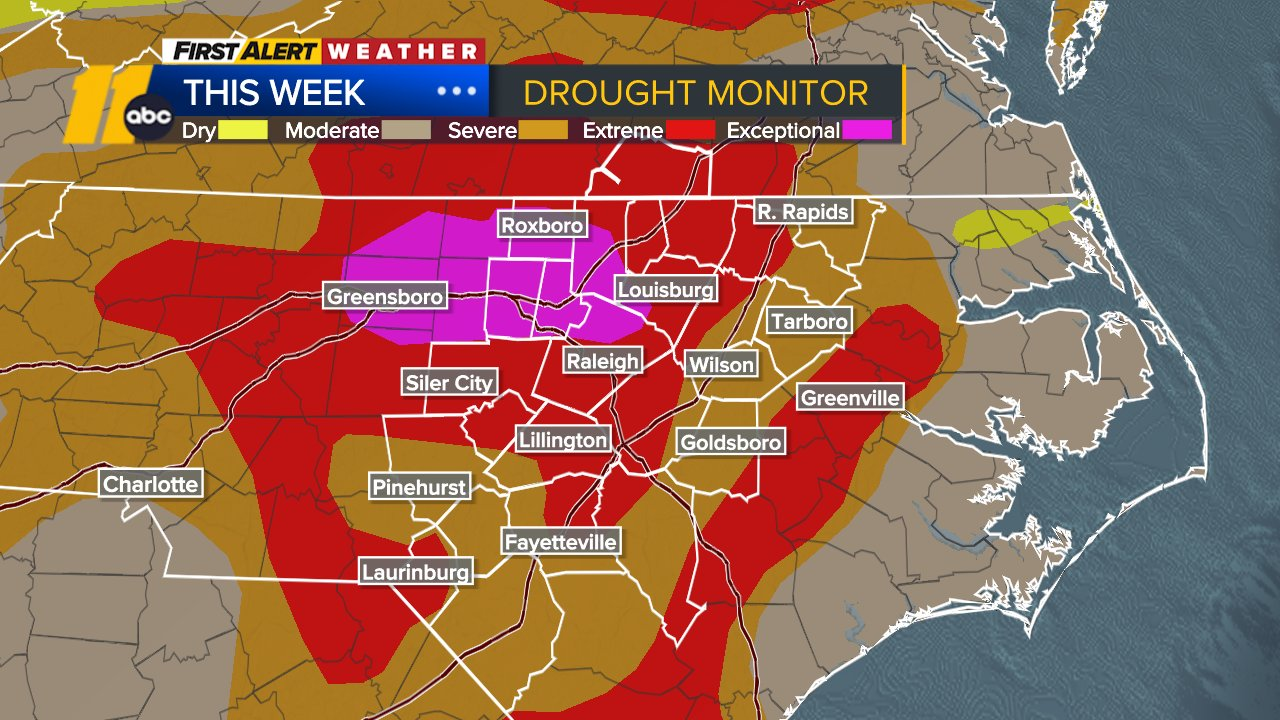
This week's U.S. Drought Monitor showed no major changes across central North Carolina, with drought conditions remaining largely the same as last week.

The most significant worsening conditions were confined to southeastern North Carolina, where drought expanded due to continued dry weather.

While some areas of central North Carolina received recent rainfall, officials continue to closely monitor drought conditions, reservoir levels and water supplies as hot, dry weather persists.

WTVD logo
Jul 04, 2026, 1:26 AM GMT

July 2 drought monitor update

This week's U.S. Drought Monitor showed no major changes across central North Carolina, with drought conditions remaining largely the same as last week.

The most significant worsening conditions were confined to southeastern North Carolina, where drought expanded due to continued dry weather.

While some areas of central North Carolina received recent rainfall, officials continue to closely monitor drought conditions, reservoir levels and water supplies as hot, dry weather persists.

Elaina Athans Image
Jul 02, 2026, 10:00 PM GMT

Raleigh cracks down on water restriction violations

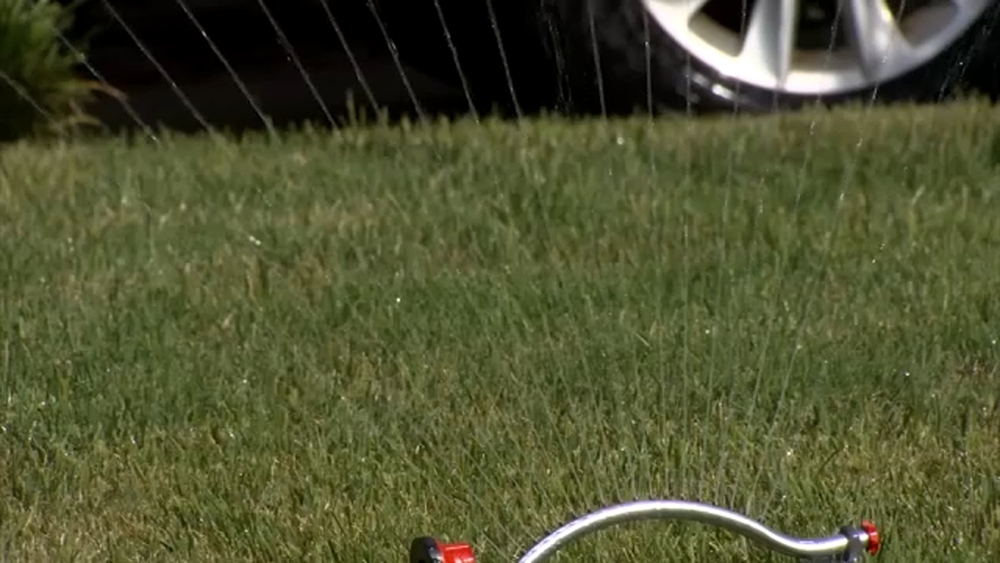
The City of Raleigh has started issuing fines to residents who violate water-use restrictions as central North Carolina continues to deal with severe drought conditions.

City officials said two fines have already been issued to one person for repeated violations.

"This is what I think they would say in law enforcement as a repeat offender, and that is very frustrating," said Raleigh Water Assistant Director Ed Buchan. "The message here is that this is a shared critical resource that we all have to use every day."

Officials say homeowners who repeatedly violate the restrictions could ultimately have their water service shut off.

As drought conditions persist, Raleigh Water has increased staffing focused on both enforcement and public education efforts.

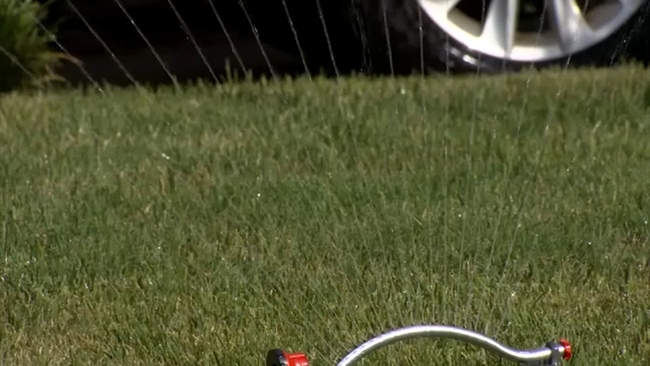
While outdoor watering restrictions remain in place, irrigation systems can still be used during certain permitted times.

SEE ALSO: Water restrictions stage 1 start in Raleigh. Here's what to know

The drought has also created new business opportunities for some companies.

Ed Mutio, owner of Water Works Unlimited, said demand for irrigation systems remains strong despite the restrictions. Mutio recently celebrated 30 years in business and remembers the severe 2008 drought, when restrictions prevented him from installing irrigation systems.

City officials said two fines have already been issued to one person for repeated violations.

This time, he said, customers continue to call.

"We're busy as we can be," he said. "People are realizing that you can't water a certain amount of time on your schedule. It's hard to water at 10 at night or 5 in the morning."

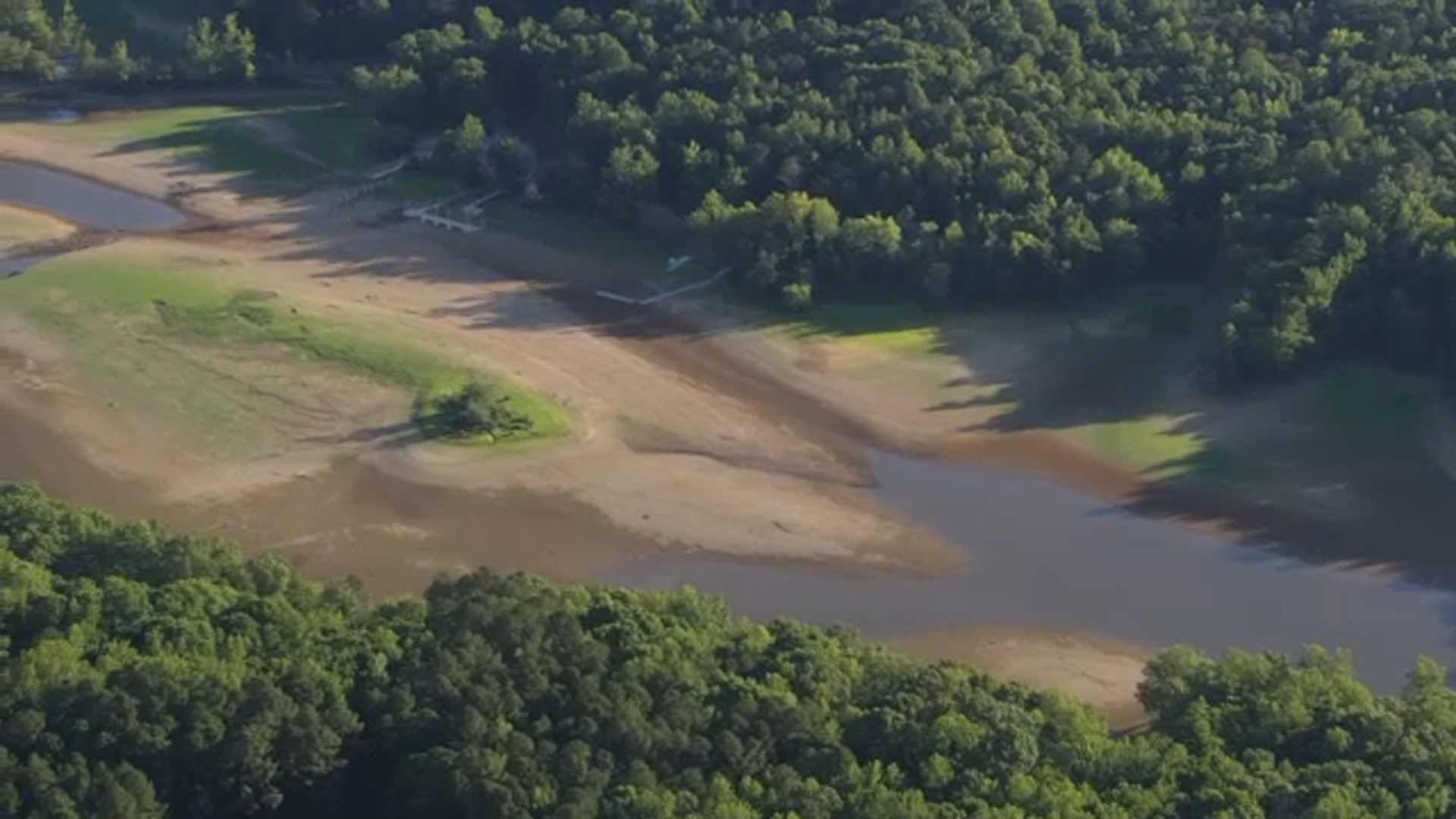
Raleigh's primary water source, Falls Lake, is about 64% full. Buchan said the lake's level is roughly unchanged from last week, helped in part by rainfall that moved through the area over the weekend.

Still, city officials say significant improvement is unlikely without more sustained rainfall.

"We're not going to be gaining ground most likely anytime soon," said Buchan. "We want people, especially on those non irrigation days, to use the same amount of water they did in March and then that will really help us out."

Officials continue to encourage residents to conserve water as drought conditions persist across the region.

Tom George Image
Jul 01, 2026, 10:00 PM GMT

NC farmers and workers prepare for extreme heat amid ongoing drought

Working in the heat is routine for many agricultural workers, but persistent triple-digit temperatures are creating growing concerns for both crops and the people tending them.

At Revels Farms in Harnett County, summer heat is nothing new. Farmer Kent Revels said high temperatures have long been part of the job, recalling past extremes.

"And to give you just a little retrospect, in 1952, when my oldest brother was born, my daddy was priming tobacco. And back in it for you right there, it was 106, and it was in July. So, I mean, of course, 74 years ago. So it's been hot," Revels said.

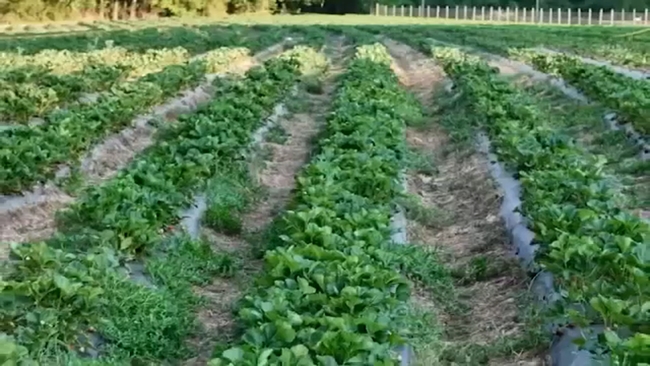
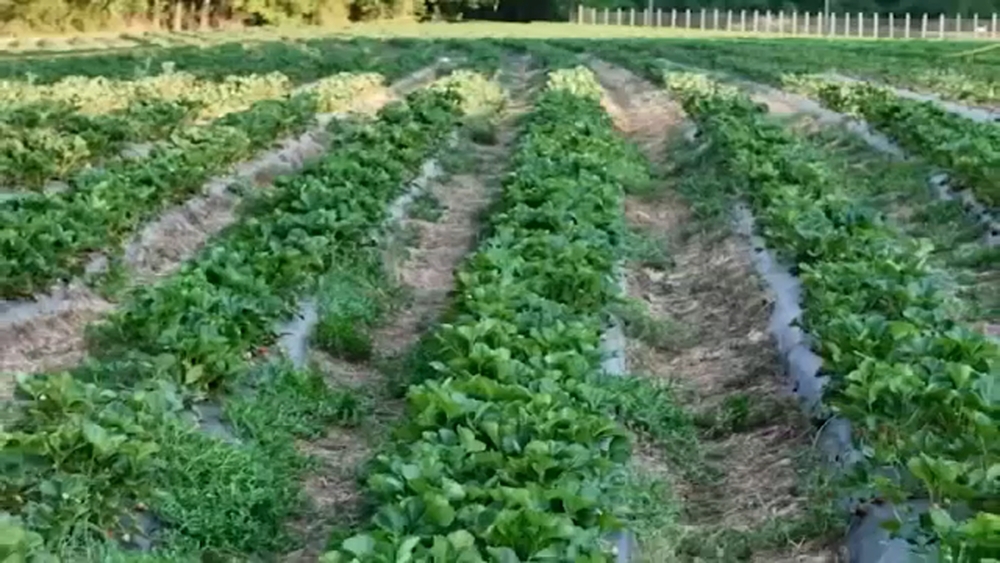
But this year's conditions have proven especially difficult, with both record heat and ongoing dryness affecting crop growth. Fields planted just two months ago are showing signs of stress.

"But nothing. Nothing like what we need. So seeing this sprouted up here, this is like, I mean, it's grown a little bit, but this is not where it should be at this time," Revels said.

The extreme temperatures are also forcing changes in how work gets done. Revels said he and his workers are taking caution to avoid the most dangerous parts of the day.

"And it's going to be tough on people. But you know, we just got to, you know, look at, you know, we're going to try to be careful and, and not work in the very hottest part of the day. ... Because obviously it ain't worth anybody getting sick or too hot," he said.

Working in the heat is routine for many agricultural workers, but persistent triple-digit temperatures are creating growing concerns for both crops and the people tending them.

Safety advocates warn that prolonged exposure to high heat can quickly become dangerous.

NC Field, an organization that supports farm workers in eastern North Carolina, is working to address those risks.

"Because, to be honest, I think that every worker deserves the right to be able to come home safely regardless of where they work," said Yesenia Cuello of NC Field.

The group is training workers to recognize early warning signs of heat-related illness and respond appropriately.

"Making sure that workers, especially farm workers that work outside, know what the stresses, what is a heat stroke. How to recognize it? Not only in themselves but in each other. What information to know if there is an emergency?" Cuello said.

With little relief in sight, farmers remain concerned about the months ahead. Revels said the prolonged lack of rain could have lasting consequences for this year's harvest.

"Probably not going to be a very good year unless we can get some water in the immediate future," he said.

Revels added that the area has been unusually dry since August, compounding the effect of recent heat waves and leaving farmers and workers hoping for a break in the weather.

Penelope Lopez Image
Jul 01, 2026, 11:00 PM GMT

Waterfalls go from flowing to a trickle due to drought; Wildlife stressed, plants struggling

Several waterfalls in Fayetteville have run dry as an unrelenting heat wave and drought continue to grip the region, raising concerns for the area's wildlife and water supply.

"I've noticed our waterfalls going from flowing to a trickle to a drip to dry," said Michael Morales, a park ranger with Clark Nature Park. Morales, who has worked as a ranger for 25 years, 19 of those in his Fayetteville hometown, said this summer's conditions are unusual.

"It's just been getting worse and worse," Morales said.

Morales explained that it is rare to see the park's waterfalls completely dry during the summer months. Now, he's watching the drought take a toll on plants and animals alike. "So I'm noticing the plants are drying out, the animals seem stressed, I'm seeing more birds visiting puddles and to get water," he said.

Regular park visitor Kristopher Thomas, who frequents Clark Nature Park with his family, said the dry conditions are impossible to ignore. "You can hear like the stream, the background noise and stuff coming from it. But yeah, today is definitely, definitely dry," Thomas said.

Several waterfalls in Fayetteville have run dry as an unrelenting heat wave and drought continue to grip the region, raising concerns for the area's wildlife and water supply.

Thomas said he's worried about what could come next if the drought continues. "What could that be doing with the wells and stuff? You know, just the water period," he wondered.

City officials are also keeping a close eye on the situation. Haven Cashwell, project manager for the City of Fayetteville's water department, said, "Cumberland County is experiencing two different classifications: drought, severe, and extreme. Last week we had some rain roll through the area, and so our extreme area got a little bit smaller, but it's still present."

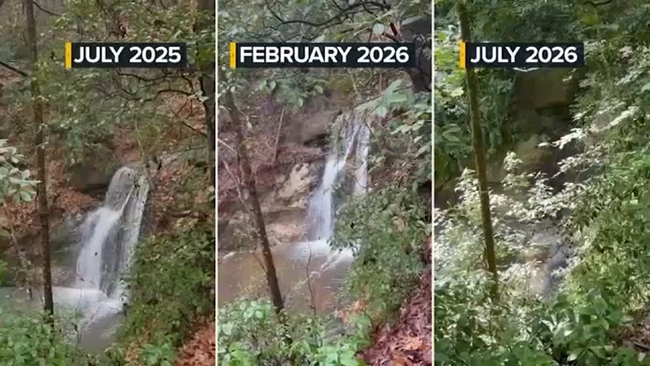
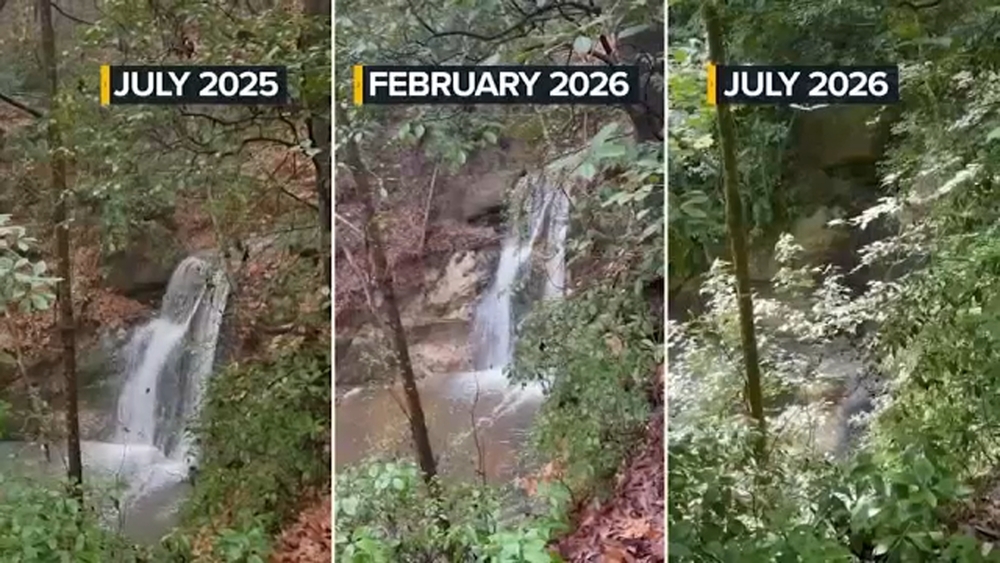
The changes are stark. Last year, before the drought, the waterfall near the park center was flowing. Six months into the drought, only a small stream remained. Today, the waterfall is completely dry.

SEE ALSO | Food supply threatened as prolonged drought drains water sources

Morales said the Cape Fear River is the city's main water supply. "So it's stressful for us. We've luckily avoided water restrictions like they're having in Raleigh and Durham right now. But if this drought don't break, you know, we're we're headed that way," he said.

Park rangers say they'll continue to monitor conditions, but until the area receives more consistent rainfall, the stress on local wildlife is expected to continue.